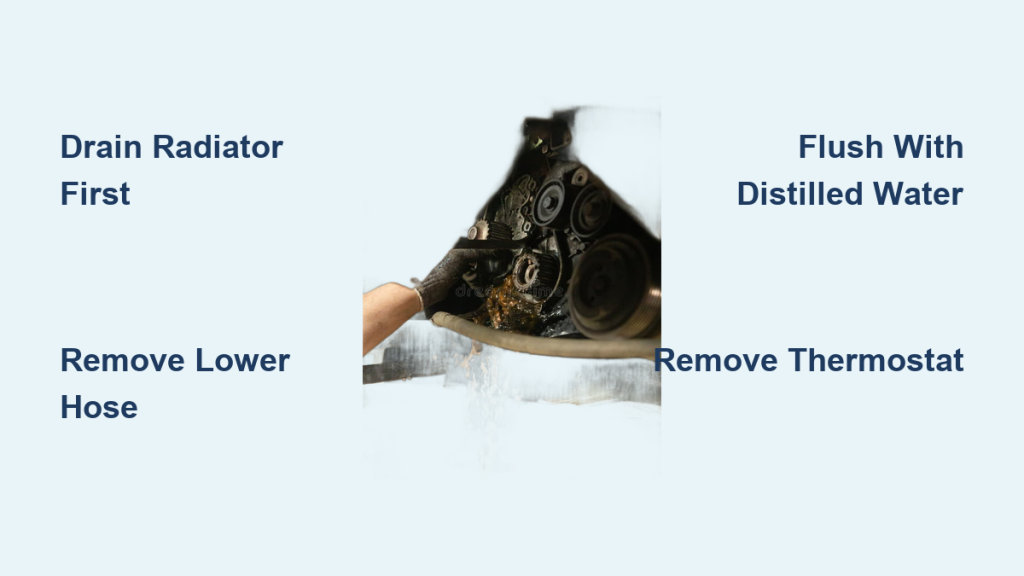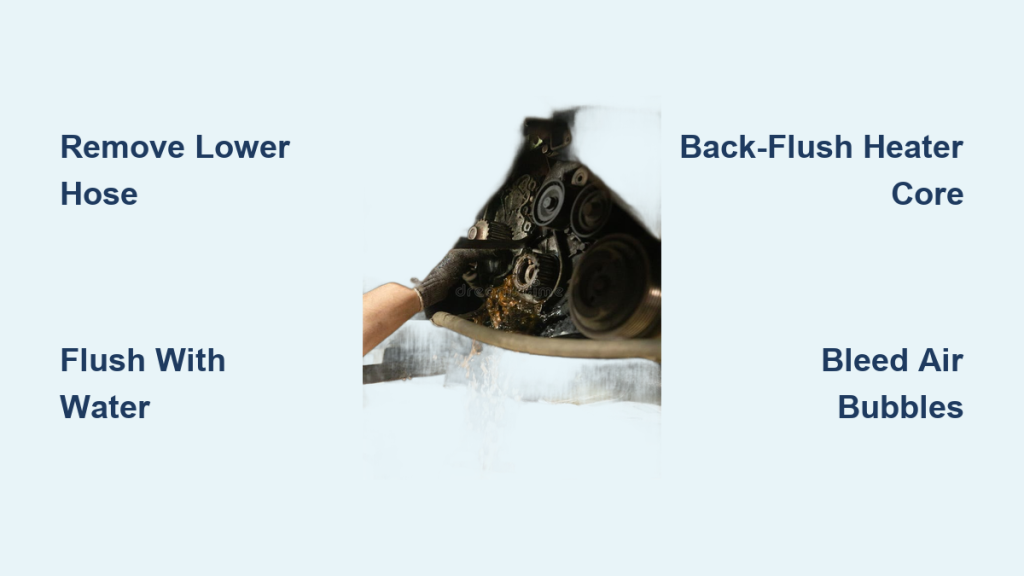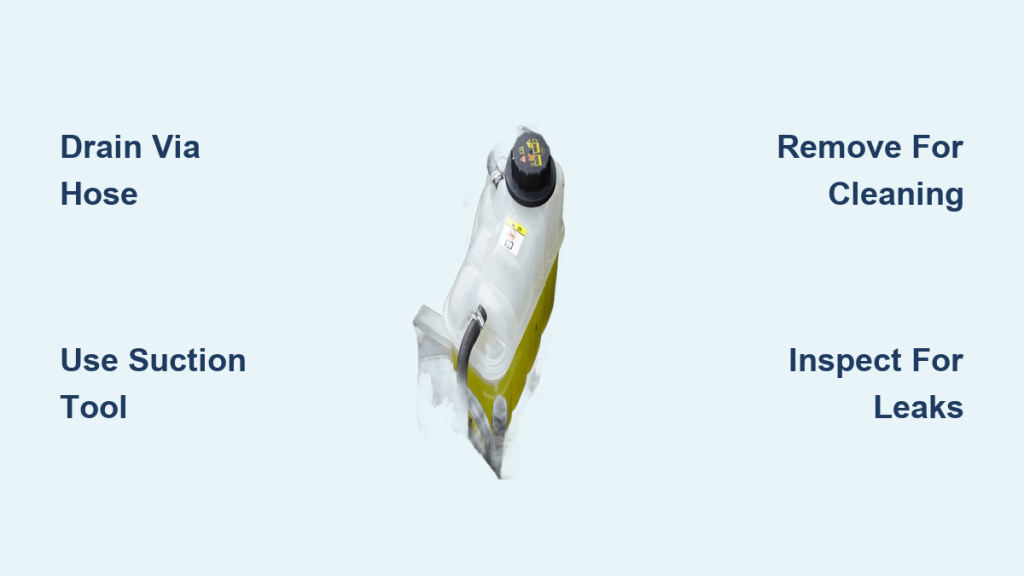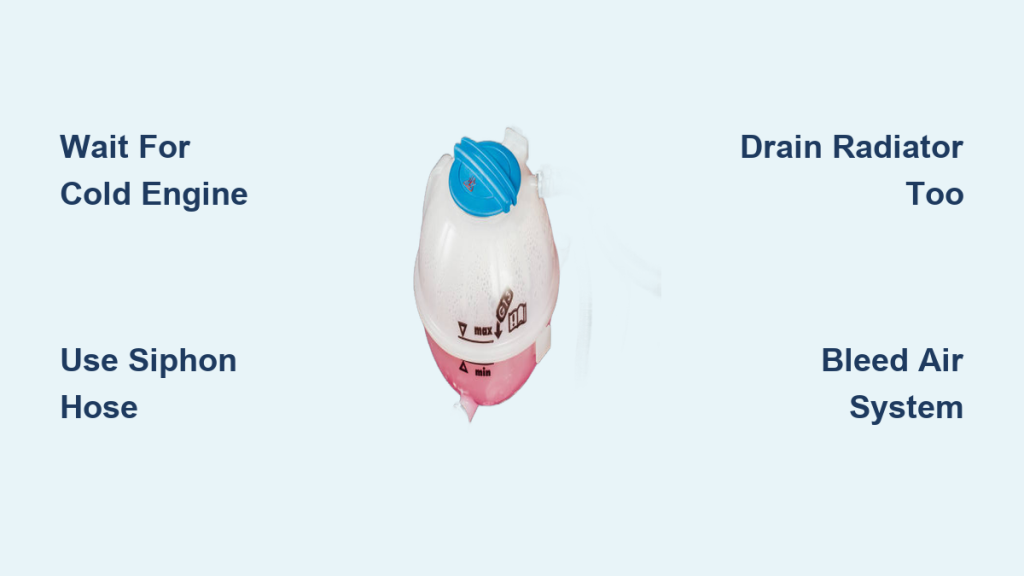

Many Range Rover owners face persistent coolant loss without seeing any visible leaks. If your vehicle is losing coolant, especially models from 2014 to 2024 with the 5.0L supercharged V8, 3.0L supercharged V6, or Ingenium engines, you are not alone. Despite repeated repairs, coolant disappears, leading to overheating, engine damage, and in extreme cases, total engine failure. The root cause is a combination of design flaws, material degradation under high thermal stress, and inadequate factory parts.
This guide covers how to diagnose hidden leaks, identify high-failure components, avoid costly misdiagnoses, and understand your legal rights. You will learn exactly which parts fail most often, how to test for leaks like a professional, and whether you qualify for free recall repairs or lemon law compensation.
Decode Hidden Coolant Leak Signs
No Puddle? Check for Ghost Leaks
Many Range Rover owners lose coolant without ever seeing a drop on the ground. These ghost leaks occur because coolant burns off on hot surfaces, soaks into firewall insulation, or evaporates under pressure. One owner reported losing 3 fluid ounces per 100 miles with zero visible drips.
Common ghost leak sources include:
- Rear crossover pipe leaking behind the engine
- Expansion tank base seeping into bulkhead insulation
- Barbed hose connectors cracking internally
- Heater core leaking behind the dash
If you are topping off coolant but see no external leak, suspect thermal evaporation or absorption rather than user error.
Sweet Smell and Discoloration Clues
A sweet, syrupy odor under the hood or inside the cabin signals coolant loss. If you smell it when accelerating or idling, coolant is burning on exhaust manifolds or turbo housings.
Check for these indicators:
- Discolored or damp firewall insulation, especially felt-covered areas
- White crust or residue near hose connections
- Damp floor mats indicating cabin-side heater core leak
One owner found dried coolant on the rear crossover manifold, invisible from above but confirmed with a borescope inspection.
Pressure Tests and Cap Failures
The Range Rover cooling system operates at high pressure, typically 15 to 18 psi. When you open the expansion tank cap and hear a loud hiss, that is normal, but only if the system is hot.
Warning signs include:
- Weak or no pressure release when cold, indicating micro-leaks
- Aftermarket caps failing prematurely
- Overflow hose spraying coolant after driving
Use only an OEM-spec cap. Aftermarket versions cannot handle the pressure, leading to slow evaporation and false overheating warnings.
Target High-Failure Cooling Components

Crossover Pipes: Front and Rear Failures
The front and rear crossover pipes are among the most common failure points, especially in 5.0L and 3.0L supercharged models.
Front Crossover Pipe
Located under the intake or supercharger, this plastic and aluminum pipe connects coolant passages across the engine. Repeated heat cycles cause thermal cracking, particularly at the block junction.
Symptoms include coolant spray under pressure and residue on supercharger housing. Diagnosis requires removing the intake plenum and inspecting for cracks or weeping. Fix involves replacing with an updated OEM or metal-reinforced unit and always installing new O-rings, part number LR030593.
One owner replaced this part twice in two years, proving recurrence is common.
Rear Crossover Pipe
Hidden near the firewall, this pipe is extremely hard to access. Leaks here often go undetected because coolant soaks into insulation or burns off before reaching the ground.
Symptoms include sweet smell, discolored firewall, and unexplained coolant loss. Diagnosis requires removing the glove box or dash panel and using a borescope. Fix involves replacing both front and rear pipes simultaneously, since failure in one often precedes failure in the other.
Pro tip: Bundle this repair with intake plenum removal to save significant labor costs.
Expansion Tank and Recall Information
Jaguar Land Rover issued a recall for the expansion tank overfill and purge hose, which degrades over time and causes slow, undetectable leaks.
Affected models include:
- Range Rover (2017–2020)
- Range Rover Sport (2018–2020)
- Range Rover Velar (2018–2020)
- Range Rover Evoque (2017–2020)
- Discovery (2018–2024)
- Defender (2020–2024)
Action needed: Enter your VIN on the Land Rover recall website to check eligibility for free repair. Even if not recalled, replace the entire tank assembly and both hoses with OEM parts. Aftermarket tanks often crack at the base.
Water Pump Failures
The electric water pump, part number LR097165, fails due to seal degradation or housing cracks under thermal stress.
Symptoms include coolant around the pump body and overheating warnings. Many owners opt for proactive replacement during crossover pipe repair due to shared labor access. One 2018 Range Rover Sport owner paid $1,703 for pump replacement only to find coolant loss continued, proving it was not the root cause.
Thermostat Housing Cracks
The thermostat and housing often fail at the plastic-to-metal junction in the crossover casting.
Symptoms include leaks near throttle body and hard-to-see seepage. One user found a leak at an impossible-to-see connector behind the intake. Fix requires replacing thermostat, housing, and gasket (part number LR011343) as a set, with thorough cleaning of mating surfaces.
Oil Cooler Pipes and O-Rings
Oil cooler coolant pipes, part number LR028136, and O-rings, part number LR030593, fail due to proximity to hot exhaust components.
Fix requires replacing O-rings every time the pipe is removed and using high-temp OEM-spec rings. One vehicle had this part replaced twice in two years, showing how vulnerable it is.
Turbo Coolant Seals on Ingenium Engines
In Ingenium inline-4 and inline-6 engines, turbocharger coolant seals degrade due to low-temp rubber compounds.
Symptoms include coolant near turbo housing and sweet smell. Fix involves replacing with updated OEM high-temp O-rings. Never reuse old seals.
Heater Core and Valve Assembly
Located behind the dash, the heater core and valve assembly are rarely checked due to 15 to 20 hours of labor required.
Symptoms include wet floor mats and cabin coolant smell. Small internal leaks often evaporate before detection. One owner noted this was the only part not yet replaced and the likely source of ongoing loss. Inspect during full system overhaul and replace rear heater core inlet pipe, part number LR186834, if accessible.
Diagnose Leaks Like a Professional
Use Coolant Dye and Black Light
Add UV coolant dye at the first sign of loss. Drive through 3 to 5 heat cycles, then inspect with a black light.
Best areas to check include:
- Firewall insulation
- Valley beneath supercharger
- Oil cooler lines
- Rear crossover manifold
After diagnosis, flush the system with distilled water to remove dye residue, as some dyes can degrade plastics over time.
Pressure Test the System
A pressure test at 15 to 18 psi simulates operating conditions and reveals micro-leaks that static inspection misses.
This test finds:
- Cracked O-rings
- Hairline fractures in plastic housings
- Leaking barbed fittings under load
Many shops skip this step. Insist on it. A $50 test can prevent $4,000 in guesswork repairs.
Borescope for Tight Spaces
A $100 borescope from Amazon or Harbor Freight lets you inspect hidden areas without full disassembly.
Key inspection zones include:
- Behind intake manifold
- Firewall area
- Beneath supercharger
- Right-side hose to rear crossover
One Jaguar owner found a cracked barb inside a hose, invisible without disassembly.
Block Test for Head Gasket Leaks
Use a BT-500 combustion leak detector in the expansion tank, no radiator cap needed.
How it works: Fluid changes color from blue to green or yellow if exhaust gases enter the coolant. Atypical signs include no milky oil, no white smoke, and leak occurring only when the engine is cold and off.
If positive, remove spark plugs and use an inspection camera to check for puddles on pistons.
Avoid Costly Misdiagnosis Traps
Do Not Replace Parts Blindly
Many owners fall into the whack-a-mole repair cycle: replace water pump, leak continues; replace thermostat, leak persists; replace radiator, still losing coolant.
Root cause is that fixing one weak link shifts pressure to the next. A comprehensive system replacement is often the only permanent fix.
Gravity Fill Versus Vacuum Fill
After repairs, never use gravity fill. It leaves air pockets causing false temperature readings, phantom overheating, and air locks in the heater core.
Vacuum filling is essential. It removes all air and ensures proper circulation. Many non-specialist shops skip this step. Demand it.
Coolant Type Matters
Use only Jaguar Land Rover-approved coolant, specifically G48 specification, which is pink or orange in color.
Critical points:
- Never mix with older green coolants (G11 or G12)
- System capacity is approximately 10 to 12 liters depending on model
- Change interval is every 5 years or 60,000 miles
Aftermarket or mixed coolants can degrade seals and cause premature failures.
Execute a Full System Overhaul
Replace These Components Together
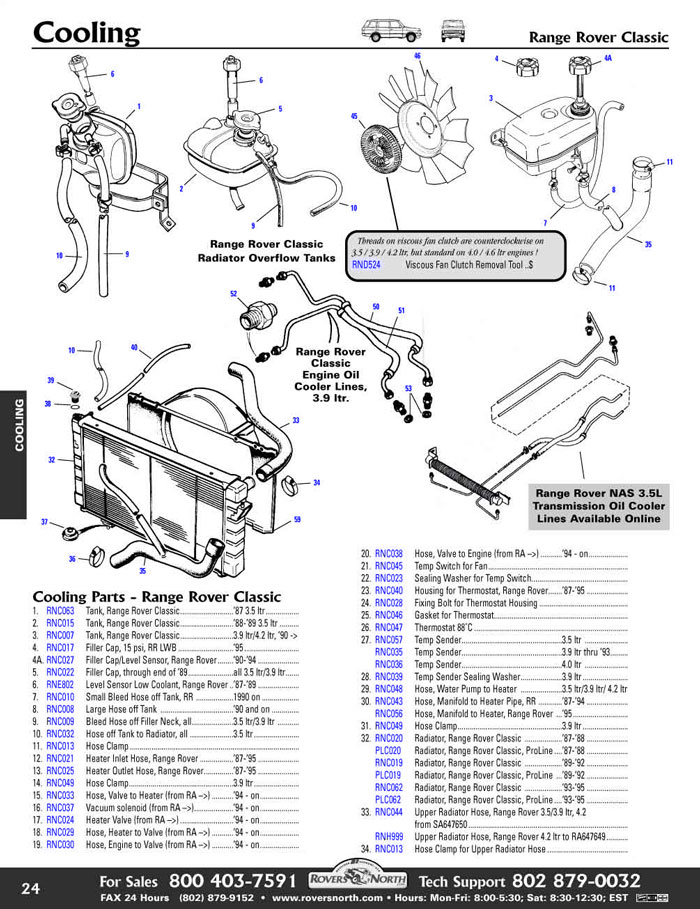
To avoid repeat repairs, replace all high-failure parts at once during major access like intake removal.
The essential components for a comprehensive overhaul include:
- Expansion tank (model-specific) for base leaks into firewall
- Expansion tank cap (OEM only) because aftermarket caps fail under pressure
- Front crossover pipe (AJ81397, LR090630) due to high thermal cracking rate
- Rear crossover pipe because it often fails after front replacement
- Water pump (LR097165) for shared labor access and common failure
- Thermostat and housing (LR011343 gasket) because plastic and metal interface cracks
- Oil cooler pipe and O-rings (LR028136, LR030593) as heat-exposed components often replaced twice
- Rear heater core inlet pipe (LR186834) as a hidden leak source
- Throttle body inlet hose (LR093660) which degrades over time
- Flow control valve (LR100352) which can develop internal leaks
Labor-Saving Repair Bundles
During intake plenum removal, replace front and rear crossover pipes, water pump, and thermostat simultaneously. During dash access, inspect and replace heater core, valve, and firewall hoses. During oil cooler service, replace O-rings and coolant pipes.
Bundling these repairs cuts labor costs by 40 to 60 percent.
Know Your Legal Rights
2024 Class-Action Lawsuit
A class-action lawsuit has been filed against Land Rover over systemic coolant system defects.
The allegations include known design flaws, inadequate recalls, and safety risks. Cited dangers are engine seizure, fire, and sudden breakdowns. Affected models span 2017 to 2024 for Range Rover, Range Rover Sport, Velar, Evoque, Discovery, and Defender.
If your vehicle fits this range, document every repair and coolant loss incident.
File a Lemon Law Claim
Owners with 3 to 4 failed repair attempts may qualify for Lemon Law compensation, especially in California and other consumer-friendly states.
Eligibility criteria include:
- Same issue repaired multiple times
- Substantial impairment of use, value, or safety
- Vehicle under warranty or within Lemon Law timeframe
Estimated settlements based on past case results are:
- Range Rover: $165,813
- Range Rover Sport: $138,600
- Discovery: $96,600
- Defender: $91,665
Note that figures are based on past results. Consult a lemon law attorney for your specific situation.
Claim Recall Repairs for Free
The expansion tank overfill hose recall covers many models. Visit Land Rover’s website, enter your VIN, and schedule free repair if eligible.
Even if your model is not listed, push for goodwill assistance. Land Rover has covered repairs under customer satisfaction programs in the past.
Frequently Asked Questions About Range Rover Coolant Problems
Why does my Range Rover lose coolant without any visible leaks?
Range Rover coolant loss often occurs through ghost leaks where coolant burns off on hot exhaust components, soaks into firewall insulation, or evaporates under high system pressure. The 5.0L and 3.0L supercharged engines run extremely hot, causing coolant to vaporize before it can pool on the ground.
Which Range Rover models are affected by the coolant system defects?
Models from 2014 to 2024 across multiple platforms are affected, including the L322, L320, L405, L494, L460, L461, and L550. This covers Range Rover, Range Rover Sport, Velar, Evoque, Discovery, and Defender vehicles with 5.0L supercharged V8, 3.0L supercharged V6, or Ingenium engines.
How much does it cost to fix Range Rover coolant problems?
Owners report spending $4,000 to $6,500 or more on repairs. A full cooling system overhaul using OEM parts typically costs more upfront but prevents the cycle of repeat repairs. Individual component costs range from $50 for O-rings to $1,700 for water pump replacement.
Can I get free repairs under the recall?
Jaguar Land Rover issued a recall for the expansion tank overfill and purge hose affecting 2017 to 2024 models. Enter your VIN on the Land Rover recall website to check eligibility. Even if your specific vehicle is not covered, dealers may perform goodwill repairs.
Is there a lawsuit against Land Rover for coolant issues?
Yes, a class-action lawsuit was filed in 2024 alleging systemic defects in Range Rover coolant systems. The lawsuit claims Land Rover knew about design flaws but failed to address them adequately, putting owners at risk of engine overheating, seizure, and fire.
Key Takeaways for Solving Range Rover Coolant Problems
Range Rover coolant problems are systemic defects, not random failures. The solution is not a single part replacement but a complete cooling system refresh using OEM parts, proper vacuum filling, and thorough diagnostics. Focus on replacing crossover pipes, expansion tank components, water pump, thermostat housing, and oil cooler lines together to avoid the whack-a-mole repair cycle.
Always use OEM-spec parts and caps. Aftermarket components fail prematurely under the high pressure these engines produce. Document every repair, coolant loss measurement, and dealer interaction. If dealers dismiss your concerns, demand answers, and explore legal options including lemon law claims and recall coverage.
With the right approach, you can stop the leaks and the cycle of costly repairs once and for all.