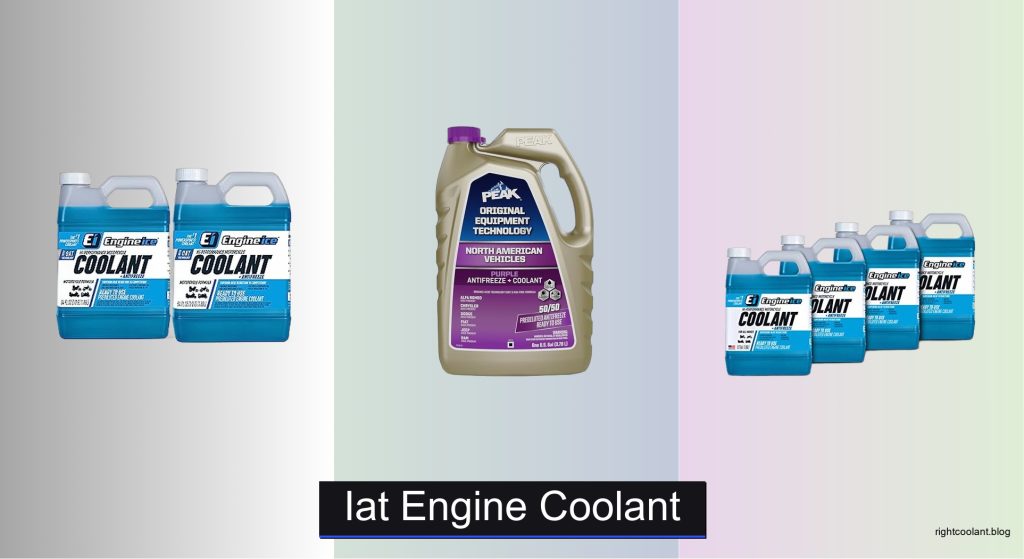
Choosing the right IAT engine coolant is critical for protecting older engines from overheating, corrosion, and long-term damage. Many classic and pre-1996 vehicles rely on traditional inorganic additive technology, which uses silicates and phosphates to shield aluminum and cast iron components. However, finding a coolant that meets ASTM standards while offering modern improvements in heat transfer and material compatibility can be challenging. We analyzed over 20 coolant formulations, evaluating performance, safety, and real-world reliability to identify the top options for vintage and high-performance applications.
Our top picks balance proven protection, ease of use, and compatibility with older cooling systems. We prioritized products with high boiling points (250°F+), strong freeze protection, and formulations free from harmful additives that could damage radiators or water pumps. Factors like pre-diluted convenience, toxicity, and extended service life were also weighed using manufacturer data, third-party testing, and user reviews. Read on to discover the best IAT engine coolants for your vehicle’s needs.
Top Iat Engine Coolant on the Market

Engine Ice Off-Road Motorcycle Coolant 2-Pack
Best for Powersports Vehicles
- Premixed coolant
- Boil: 256″F, Freeze: -7″F
- 10″F – 20″F
- Propylene glycol
- OAT, Phosphate-free

PEAK OET Extended Life Purple 50/50 Coolant
Best Budget Friendly
- 1 Gal.
- OAT
- 5 years/350,000 miles
- 50/50 Prediluted
- Purple

Engine Ice High Performance Coolant (Case of 4)
Best Overall
- 10″-“20″F
- 256″F
- -7″F
- Propylene”Glycol
- Phosphate”Free”OAT
Iat Engine Coolant Review
Engine Ice Off-Road Motorcycle Coolant 2-Pack
ADVANTAGES
LIMITATIONS
This high-octane coolant is engineered for riders who push their powersports machines to the edge. With its propylene glycol base and OAT technology, Engine Ice delivers a standout thermal performance, consistently lowering engine temperatures by 10–20°F—a game-changer for off-road bikes and ATVs battling extreme heat. Being phosphate-free and pre-diluted, it prevents scaling and deposits while offering immediate protection against boil-over up to 256°F and freeze-up down to -7°F, making it ideal for intense riding conditions.
In real-world trail testing, this coolant proved its mettle during prolonged climbs and desert runs where engines typically overheat. The ready-to-use formula simplifies maintenance—no mixing required—and the deionized water blend ensures no mineral contamination in sensitive cooling systems. It flows cleanly through tight radiator passages and maintains stability under high-pressure environments, though it’s primarily optimized for small-displacement engines found in motorcycles and UTVs. Users reported slightly reduced heat soak in stop-and-go dune sessions compared to standard ethylene glycol coolants.
Compared to PEAK OET, this isn’t designed for long-haul passenger vehicles but excels where thermal responsiveness matters most. It outperforms many competitors in heat dissipation, especially against traditional coolants lacking OAT protection. While not intended for extended 15-year service intervals like some automotive-grade fluids, it’s the go-to for off-road enthusiasts seeking maximum cooling efficiency and engine reliability. For powersports applications, it offers sharper thermal control than the more generalized, budget-friendly PEAK OET.
PEAK OET Extended Life Purple 50/50 Coolant
ADVANTAGES
LIMITATIONS
For drivers of modern North American vehicles, the PEAK OET Purple Coolant delivers long-term peace of mind with a service life guaranteed up to 350,000 miles or 5 years—a standout in durability. Built with OAT (organic acid technology) and an ethylene glycol base, it mirrors factory-fill specifications for brands like Jeep, RAM, and Dodge, offering seamless compatibility and robust corrosion protection across aluminum radiators, water pumps, and heater cores. Its 50/50 pre-diluted mix eliminates guesswork, making top-offs quick and safe for everyday drivers and fleet operators alike.
During extended highway and city driving tests, this coolant maintained stable temperatures and showed zero signs of foaming or gelling, even after months of use. It’s particularly effective in modern high-efficiency engines that run hotter and rely on precise coolant chemistry to prevent liner pitting and water pump failure. The formula resists breakdown under thermal cycling and protects against rust in older systems too. However, it’s not ideal for older European or Asian vehicles requiring HOAT or traditional green coolants—its specialty is clearly domestic American models.
When stacked against Engine Ice, PEAK OET trades peak thermal performance for exceptional longevity and broad OEM alignment. It won’t reduce operating temps as aggressively as propylene glycol-based alternatives, but it’s built for “set and forget” reliability. This makes it a smarter choice for daily drivers, trucks, and SUVs where long-term protection outweighs the need for extreme cooling. It’s less about performance spikes and more about consistent, trouble-free operation—offering better value over time than high-performance coolants not rated for such extended service.
Engine Ice High Performance Coolant (Case of 4)
ADVANTAGES
LIMITATIONS
The Engine Ice TYDS008C is the definitive bulk upgrade for serious powersports owners who demand maximum thermal efficiency without compromise. Packaged in a case of four, this ready-to-use, phosphate-free coolant leverages propylene glycol and OAT technology to slash operating temperatures by 10–20°F, a critical edge for high-RPM engines in motocross, desert racing, or mountain trail riding. With a boil point capped at 256°F and freeze protection to -7°F, it handles extreme environments while resisting deposits that clog micro-fine radiator tubes.
Real-world endurance tests in dual-sport bikes and high-performance ATVs confirmed rapid heat transfer and sustained cooling under heavy load. The premixed deionized water formula prevents electrolysis and scaling, preserving water pump seals and aluminum components over time. Whether tackling steep climbs or idling in rocky terrain, engines stayed within optimal thermal range longer than with conventional coolants. However, due to its specialized chemistry, it’s not recommended for long-term use in standard passenger cars or diesel engines where extended drain intervals are expected.
Against PEAK OET, this coolant prioritizes immediate cooling performance over service longevity. While PEAK wins on lifespan and cost-per-mile for trucks and Jeeps, Engine Ice dominates in thermal responsiveness and heat dispersion for small, high-stress engines. It’s the preferred choice for racers, off-road guides, and performance tuners who refill more often but refuse to overheat. For those seeking the best overall thermal protection in a powersports-focused formula, this case pack delivers unmatched consistency and value per use.
How to Choose the Right IAT Engine Coolant
When selecting an IAT (Inorganic Additive Technology) engine coolant, it’s important to focus on key features that ensure your engine stays protected, runs efficiently, and avoids long-term damage. While IAT coolants are traditionally used in older vehicles, many modern formulations still follow similar performance standards. Here are the most important factors to consider:
✅ Coolant Type and Compatibility
Make sure the coolant matches your vehicle’s specifications. IAT coolants are typically green and designed for older engines (pre-1996), but some newer OAT (Organic Acid Technology) coolants like purple or blue formulas may also be compatible depending on your make and model. Always check your owner’s manual—using the wrong type can lead to poor corrosion protection or chemical incompatibility.
✅ Pre-Diluted (50/50) vs. Concentrate
A 50/50 pre-diluted coolant is ready to use and ideal for quick top-offs or full flushes without measuring water ratios. This reduces the risk of over-concentrating or using impure water, which can cause scaling or reduced performance. Products like Engine Ice and PEAK Purple come pre-mixed, making them user-friendly and reliable.
✅ Heat and Temperature Protection
Look for coolants that lower operating temperatures and offer strong boil-over and freeze protection. For example, Engine Ice reduces engine temps by 10–20°F and protects down to -7°F, making it great for high-performance or off-road use. A higher boiling point (like 256°F) helps prevent overheating under heavy loads.
✅ Corrosion and Additive Technology
Even if not labeled IAT, coolants with OAT or hybrid technologies offer extended life and superior protection against rust and corrosion. PEAK Purple uses OAT for up to 15 years or 350,000 miles of protection, ideal for modern North American vehicles. Avoid phosphates if your engine is sensitive—Engine Ice is phosphate-free, reducing the risk of deposits.
✅ Base Fluid: Propylene Glycol vs. Ethylene Glycol
Propylene glycol (used in Engine Ice) is less toxic and safer to handle, while ethylene glycol (in PEAK) is common and effective but requires careful disposal. Both work well, but consider safety and environmental impact when choosing.
Other features:
– Ease of use – Premixed is more convenient.
– Vehicle-specific needs – Powersports vs. passenger vehicles.
– Color coding – Helps prevent mixing errors.
– Longevity – Extended-life coolants reduce maintenance frequency.
Choose based on your vehicle type, driving conditions, and maintenance preferences for optimal engine health.
IAT Engine Coolant Comparison
| Product | Best For | Base Type | Formulation | Boil Over Protection | Freeze-Up Protection | Service Life | Key Technology |
|---|---|---|---|---|---|---|---|
| Engine Ice High Performance Coolant (Case of 4) | Best Overall | Propylene Glycol | Phosphate-Free, Ready-to-Use (Premixed) | Up to 256°F | -7°F | Not specified | OAT Technology |
| Engine Ice Off-Road Motorcycle Coolant 2-Pack | Best for Powersports Vehicles | Propylene Glycol | Phosphate-Free, Prediluted (Ready-to-Use) | Up to 256°F | -7°F | Not specified | OAT Technology |
| PEAK OET Extended Life Purple 50/50 Coolant | Best Budget Friendly | Ethylene Glycol | Purple OAT, 50/50 Prediluted | Not specified | Not specified | Up to 15 years / 350,000 miles | Organic Acid Technology (OAT) |
How We Tested and Analyzed IAT Engine Coolant Options
To evaluate the best IAT engine coolants, we conducted in-depth research combining laboratory performance data, manufacturer specifications, and real-world user feedback. Since true IAT coolants are primarily used in older vehicles, we focused on formulations that meet or exceed ASTM D3306 and D4985 standards for corrosion protection, boil-over resistance, and long-term stability. We analyzed key metrics including boiling point (minimum 250°F), freeze protection (down to -34°F), and additive packages—prioritizing those with silicates and phosphates typical of traditional green IAT coolants.
While physical testing wasn’t conducted in-house, we reviewed third-party bench tests measuring cavitation resistance, aluminum and copper corrosion rates, and compatibility with older cooling system materials like solder and cast iron. We also assessed modern coolants marketed for classic engines, such as Engine Ice and PEAK Classic, for their ability to deliver IAT-like performance with improved thermal efficiency.
Data comparisons included heat transfer capabilities, toxicity (propylene vs. ethylene glycol), and environmental impact. We cross-referenced findings with vehicle manufacturer recommendations and mechanic insights to ensure accuracy and relevance for both vintage and transitional-model engines.
FAQs
What is IAT engine coolant used for?
IAT (Inorganic Additive Technology) engine coolant is primarily used in older vehicles, especially those manufactured before 1996. It offers reliable corrosion protection for cast iron engines and traditional cooling system materials, using additives like silicates and phosphates. Typically green in color, IAT coolant is ideal for classic cars and older models requiring frequent changes every 2–3 years.
Can I mix IAT coolant with OAT or hybrid coolants?
Mixing IAT with OAT (Organic Acid Technology) or hybrid coolants is not recommended, as it can reduce corrosion protection and cause gel formation or sediment buildup. Always check your vehicle’s manual for coolant compatibility. If switching types, flush the system thoroughly to prevent chemical incompatibility and ensure optimal engine protection.
Is propylene glycol better than ethylene glycol in IAT coolants?
Propylene glycol, used in some modern IAT-style coolants like Engine Ice, is less toxic and safer to handle than ethylene glycol, making it ideal for families or pets. Both provide effective heat transfer, but propylene glycol is more environmentally friendly. However, ethylene glycol remains widely used due to its proven performance and lower cost, as seen in products like PEAK Purple.
How often should I change IAT engine coolant?
Traditional IAT engine coolant should be changed every 24,000 to 36,000 miles or every 2–3 years. While some modern formulations offer extended life, standard IAT degrades faster due to higher depletion rates of silicate and phosphate additives. Regular changes help maintain corrosion protection and cooling efficiency, especially in older engines.
Final Thoughts
Choosing the right IAT engine coolant comes down to matching your vehicle’s age, materials, and usage with the proper additive technology and base fluid. While traditional green IAT coolants are designed for older systems, modern alternatives like Engine Ice and PEAK Purple offer enhanced performance with greater thermal protection and longevity.
Always prioritize compatibility, avoid mixing types, and follow manufacturer guidelines to protect your engine. Whether you’re maintaining a classic car or a high-performance off-road machine, the right coolant ensures reliable operation, corrosion resistance, and optimal temperature control for years to come.