Steam radiators have warmed homes for over a century, and they remain one of the most dependable heating systems available. If you hear a gentle hiss from cast-iron units on cold mornings, you likely own a steam system that delivers heat through radiant and convective transfer. Learning how to use a steam radiator properly saves energy, prevents banging pipes, and keeps every room consistently comfortable.
This guide walks you through valve operation, temperature control, maintenance, and safety. You will learn how to avoid common mistakes, troubleshoot cold spots, and extend the life of your system. Whether you live in a historic brownstone or a vintage farmhouse, mastering your steam radiator ensures decades of quiet, efficient warmth.
Open and Close the Steam Control Valve

Turn the Valve Fully On or Off
The main control sits at the bottom of the inlet pipe, usually a small round cap. On traditional steam radiators, this valve works as a binary switch, not a dimmer dial.
To activate the unit, rotate the valve counterclockwise until it stops. Steam flows freely into the radiator. To shut it off, twist the valve clockwise until tight.
Avoid partial settings. Most standard valves cannot modulate steam flow, and forcing them partway open damages the internal stem and causes leaks.
Locate and Adjust the Lockshield Valve
Some radiators feature a lockshield valve disguised under a plastic cap. This cap often looks like a control knob but connects to nothing.
To check, gently pull the cap upward. If it pops off, the real valve sits beneath. If a screw secures the cap, loosen it counterclockwise first. Then grip the exposed metal stem with pliers and turn counterclockwise to open.
Once adjusted, replace the cap to keep dirt out. Lockshield valves are typically balanced during installation and rarely need changes.
Regulate Room Temperature with Thermostatic Valves
Understand TRV Settings
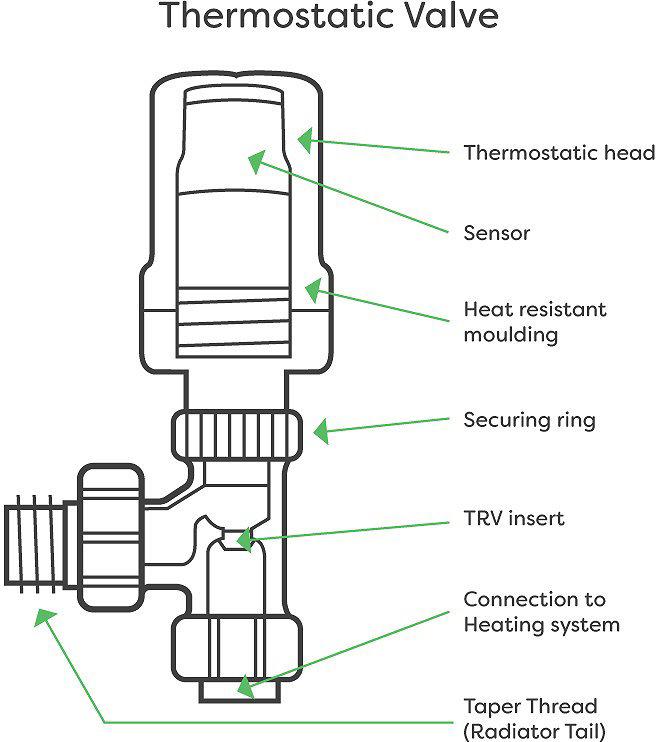
If your radiator has a taller valve with numbered markings (0 through 5), you have a thermostatic radiator valve (TRV). This device controls how much heat escapes into the room, not the steam entering the unit.
• Setting 0: Closes the vent and traps heat inside the radiator. The unit stays hot but releases almost no warmth.
• Settings 1–5: Gradually increase heat output based on room temperature.
• Frost setting: Marked with an asterisk or snowflake, located between 0 and 1.
On older one-pipe steam systems, the TRV replaces the standard air vent. When the room warms up, the TRV closes and slows steam entry by restricting air escape.
Install a TRV for Better Control
Basic on/off valves leave you with two choices: freezing or roasting. A thermostatic valve solves this problem.
• Cost: $200 to $300 for professional installation
• Benefit: Cuts energy use by up to 20 percent and prevents waste in empty rooms
• Compatibility: Works best on one-pipe steam systems
After installation, set the TRV to a middle position (usually 3 or 4) and wait 30 minutes before making further adjustments. This lets the system stabilize.
Activate the Frost Protection Setting
The frost setting keeps a small amount of heat flowing during freezing weather. It prevents water inside the radiator and pipes from turning to ice and bursting.
Use this setting when:
• You leave home for an extended trip
• You heat only part of the house
• Outdoor temperatures drop below freezing
Leaving radiators completely off in winter risks thousands of dollars in water damage.
Manage Warm-Up and Shutdown Cycles
Allow 30 Minutes for Full Heating
Steam radiators respond slowly. The boiler must heat water, generate steam, push it through pipes, and warm the metal mass of the radiator. This process takes up to 30 minutes.
A common mistake is cranking the valve to high, then turning it down the moment the surface feels warm. The outside may feel hot while the core still holds cool air pockets.
Best practice:
1. Open the valve fully
2. Set the TRV to your preferred level
3. Wait at least 25 to 30 minutes before adjusting
Patience delivers even, sustained heat throughout the room.
Shut Down the System Correctly
To stop heat emission completely, close the control valve clockwise until tight. Do not rely solely on the TRV, because steam may still enter the radiator even at setting 0.
For seasonal shutdown during summer, close the valve fully and leave the TRV or vent open. This allows air circulation and prevents moisture buildup inside the unit.
Warning: Never drape clothes, towels, or paper over a hot radiator to dry. This creates a serious fire hazard.
Bleed Air and Maintain Air Vents
Bleed Radiators Once Per Year
Trapped air blocks steam from filling the radiator and causes cold tops or weak heat output. While hot water systems rely on bleed screws, steam radiators depend on automatic air vents. Some models still benefit from manual bleeding.
When to bleed:
• The upper half of the radiator stays cold
• Hissing or gurgling noises persist
• The system sat unused for months
Steps to bleed:
1. Turn off the boiler and let the radiator cool
2. Place a towel or small pan under the vent
3. Insert a radiator key or flathead screwdriver
4. Turn the bleed valve counterclockwise a half-turn
5. Let air hiss out until water begins to drip
6. Close the valve quickly clockwise
Perform this task once per year, ideally before heating season begins.
Clean or Replace Faulty Air Vents
The air vent is a small brass or chrome valve mounted on the radiator’s side. It releases trapped air so steam can enter. A clogged vent prevents proper heating.
Signs of a failing vent:
• The radiator heats slowly or not at all
• Only the bottom section warms up
• Hissing continues long after shutdown
To clean the vent:
1. Turn off the supply valve on the opposite side
2. Unscrew the vent counterclockwise
3. Soak it in white vinegar for 30 minutes
4. Rinse, reinstall, and test the system
If cleaning fails, replace the vent. Standard replacements cost between $10 and $20.
Paint often seals vents shut. Clear the small hole with a pin or paperclip if painters blocked airflow.
Boost Efficiency and Heat Output
Add Reflective Insulation Behind the Unit
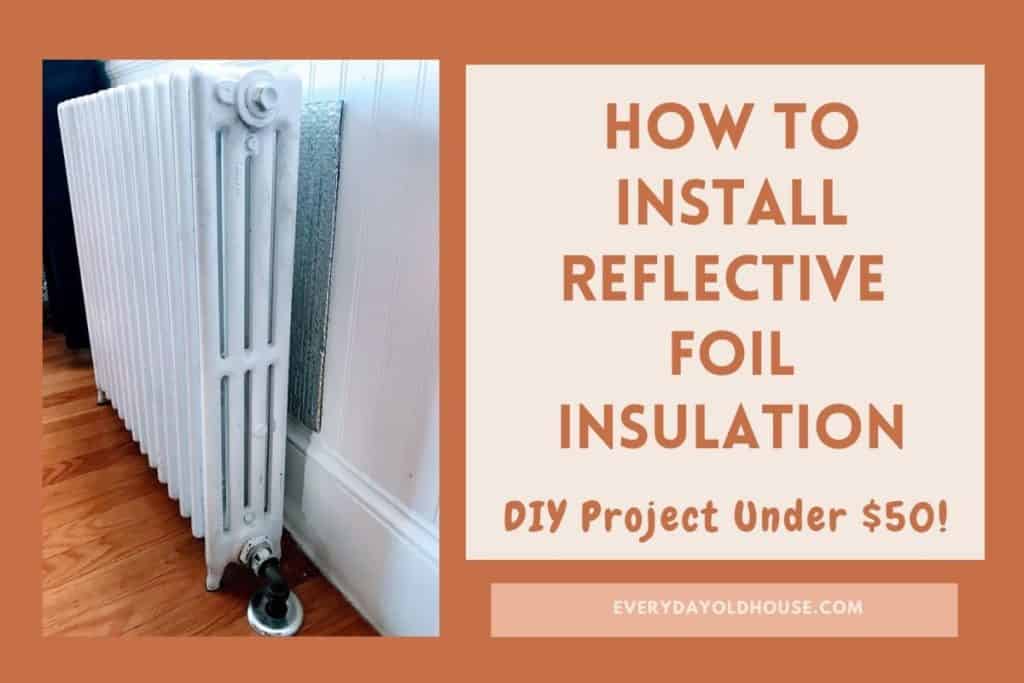
Radiators mounted on exterior walls lose heat by warming the outside. A reflective insulation board bounces that energy back into your living space.
Installation steps:
1. Cut foil-faced foam board to fit behind the radiator
2. Slide it between the wall and the unit with foil facing forward
3. Ensure the board does not block the vent or valve
This upgrade costs under $20 and improves heat retention by up to 10 percent.
Prevent Drafts and Blockages
• Never place furniture or heavy curtains in front of the radiator
• Keep vents clear of dust, paint, and debris
• Seal window and door gaps nearby to stop cold air intrusion
These simple steps let the radiator work efficiently without fighting against wasted heat loss.
Choose the Right Size and Position
Small rooms, such as a 15 by 23 inch bedroom, need compact units. Large or drafty spaces benefit from multiple radiators on opposite walls. Placing radiators under windows creates a thermal barrier where cold air sinks.
If you add a new radiator, consult a technician to confirm your boiler can handle the extra load.
Troubleshoot Common Steam Radiator Problems
Fix a Single Cold Radiator
When one radiator fails to heat while others work fine, the culprit is usually a clogged air vent. Remove the vent, clean it in vinegar, and reinstall. If the problem persists, replace the vent entirely.
Also confirm the control valve is fully open and not stuck in a closed position.
Address Uneven Heating
A radiator with a hot bottom and cold top signals trapped air or a failing vent. Bleed the unit and clean or replace the air vent.
If the entire radiator stays cold, check the boiler pressure and water level before assuming a local issue.
Stop Banging and Hissing Noises
Banging (water hammer) happens when condensate backs up into steam lines. Prop the radiator up slightly at the front to help water drain back. Ensure return pipes slope correctly toward the boiler.
Hissing is normal during operation. Constant hissing after shutdown points to a stuck-open vent that needs replacement.
Squealing or whistling often indicates high system pressure. Contact a technician to inspect the boiler and pressure relief valve.
Handle a Cold Bottom
A hot top with a cold bottom suggests poor condensate return. Check the return pipe for blockages and confirm the radiator sits level or tilts slightly toward the return valve. Flush the system if sludge buildup is suspected.
Prioritize Safety and System Longevity
Prevent Burns and Fire Hazards
Steam radiators, especially cast-iron models, can exceed 150°F (65°C). That temperature causes instant burns on contact.
Safety guidelines:
• Keep children and pets away from hot units
• Install a protective grill if needed
• Never dry flammable materials on the radiator
• Maintain at least 12 inches of clearance on all sides
While safer than open-element space heaters, steam radiators still pose fire risks when flammable items sit too close.
Schedule Annual Boiler Maintenance
The boiler powers the entire system. Neglect leads to failure or dangerous pressure buildup.
Annual inspection checklist:
• Look for rust, leaks, and soot
• Verify the water level sits in the safe zone
• Flush sediment from the bottom
• Test the pressure relief valve
Book a professional tune-up every year before winter arrives.
Respond to System-Wide Failures
If no radiators heat up:
• Check boiler power and fuel supply
• Verify thermostat settings
• Look for low water or error codes
Multiple cold radiators usually signal a boiler issue or a main air lock. Call a licensed technician to diagnose the problem.
Compare Steam Radiators to Other Heating Options
Consider Electric Oil-Filled Radiators
Homes without steam infrastructure sometimes need supplemental heat. Electric oil-filled radiators offer a low-maintenance alternative.
Advantages:
• Plug-and-play portability
• Heats in about 10 minutes
• No venting or pipe maintenance
• Cool-to-touch surfaces on some models
Drawbacks:
• Higher electricity costs in cold climates
• Less efficient for whole-house heating
Best for rentals, basements, or occasional spot heating.
Compare Heating System Features
| Feature | Steam Radiator | Electric Radiator | Forced Air |
|---|---|---|---|
| Warm-up Time | 30 minutes | 10 minutes | 5 minutes |
| Heat Retention | Excellent | Good | Poor |
| Maintenance | High | None | Moderate |
| Safety | Hot surface | Cool touch options | Duct fire risk |
| Best For | Whole-house, cold climates | Spot heating | Fast heating |
Steam radiators excel in consistent, long-term warmth, especially in older, well-insulated homes.
Frequently Asked Questions About Steam Radiators
How long does it take for a steam radiator to heat up?
A steam radiator can take up to 30 minutes to reach full operating temperature. The boiler must heat water, generate steam, and push it through pipes before the metal mass warms. Allow at least 25 to 30 minutes before adjusting settings for the first time.
Why is my steam radiator not heating evenly?
Uneven heating usually points to trapped air or a clogged air vent. The top stays cold because steam cannot displace the air pocket. Bleed the radiator and clean or replace the vent to restore even heat distribution.
Can you adjust the heat on a steam radiator?
Standard steam valves only turn the unit fully on or off. To fine-tune temperature, install a thermostatic radiator valve (TRV). TRVs control how much heat escapes into the room and work best on one-pipe steam systems. Professional installation costs between $200 and $300.
How do you bleed a steam radiator?
Turn off the boiler and let the radiator cool. Place a pan under the vent, insert a radiator key, and turn counterclockwise a half-turn. Let air hiss out until water drips, then close the valve quickly. Bleed all radiators once per year before heating season.
What does the frost setting on a radiator do?
The frost setting, marked with an asterisk or snowflake symbol, keeps a small amount of heat flowing during freezing weather. It prevents water inside the radiator and pipes from freezing and bursting. Use this setting when leaving home in winter or when temperatures drop below freezing.
Are steam radiators safe to leave on overnight?
Steam radiators are generally safe for overnight operation when properly maintained. Keep flammable materials at least 12 inches away, ensure the boiler pressure stays normal, and use thermostatic valves to prevent overheating. Install protective grills if children or pets share the space.
Key Takeaways for Mastering Your Steam Radiator
Steam heating rewards patience and consistency. Unlike forced-air systems that respond instantly, steam radiators work on their own rhythm. Understanding that rhythm transforms your comfort and your energy bills.
The most important habits include:
• Turning valves fully on or off with no partial settings
• Allowing 30 minutes for full warm-up before adjusting
• Bleeding air and cleaning vents every fall
• Using frost protection during winter absences
• Keeping clearances open and flammables far away
With proper care, your steam radiator delivers reliable warmth for decades. Quiet operation, excellent heat retention, and minimal moving parts make this system one of the most durable ways to heat a home. Start with one good habit today, such as bleeding your radiators before next winter, and build from there.