Is your radiator making more noise than your morning coffee machine? You are not alone. A noisy radiator can disrupt your peace, signal hidden problems, and even drive up energy bills if left unchecked. The good news is that most sounds, whether gurgling, banging, clicking, or whistling, have clear causes and fixes you can tackle yourself.
This guide breaks down exactly how to stop a noisy radiator using proven, step-by-step solutions. From simple DIY tricks like bleeding and shimming to knowing when to call a heating engineer, you will learn to silence the clatter for good.
Identify the Noise Type
Before grabbing any tools, listen closely. Each sound points to a different cause, and misdiagnosing the noise leads to wasted effort.
Match Sound to Problem
- Gurgling or bubbling → Air trapped in the system
- Loud banging or kettling → Limescale, water hammer, or steam blockage
- Clicking or ticking → Thermal expansion of pipes or brackets
- Whistling → Restricted water flow
- Rattling → Loose parts vibrating
- Hissing or dripping → Leaks or faulty valves
Pinpointing the sound cuts your troubleshooting time in half.
Fix Gurgling Radiators

Gurgling means air is blocking hot water flow. It often comes with cold spots at the bottom of the radiator.
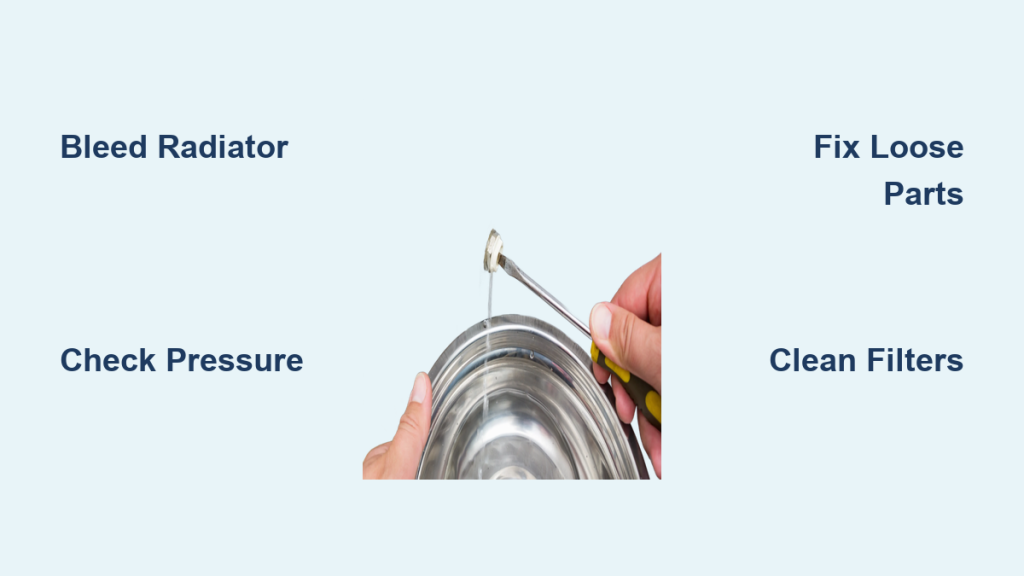
Bleed the Radiator
- Turn off the heating and let the system cool.
- Locate the bleed valve at the top corner of the radiator.
- Place a cloth or small bowl underneath.
- Insert a bleed key and turn anti-clockwise gently.
- Listen for a hiss as air escapes.
- Close the valve as soon as water starts to drip.
✅ Pro Tip: Start with radiators closest to the boiler and work outward.
When Bleeding Is Not Enough
If gurgling returns quickly, check these next steps:
- Verify system pressure sits between 1 and 1.5 bar.
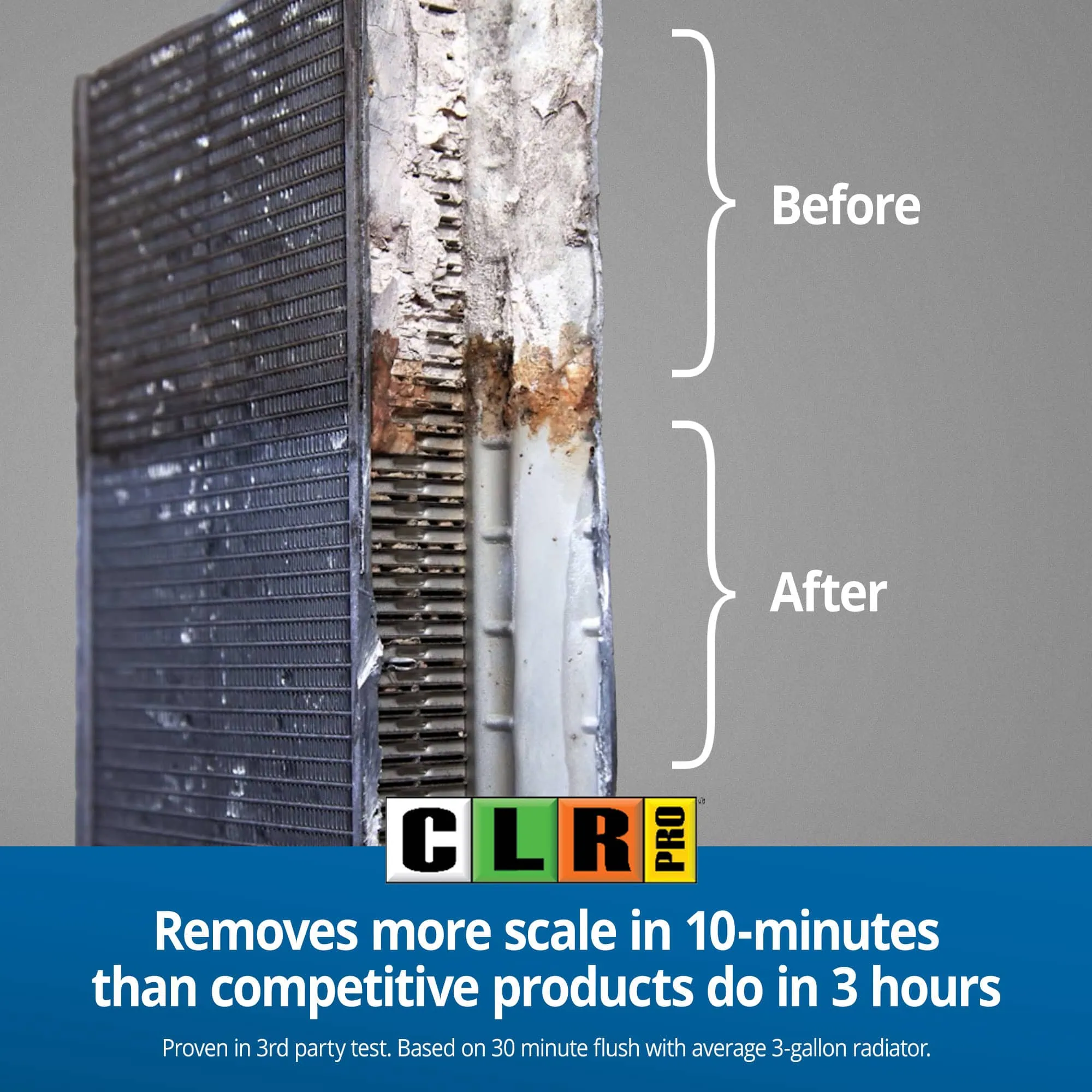
- Flush the system if sludge or debris is suspected.
- Add a chemical inhibitor or sludge remover to the feed tank.
Stop Banging and Kettling Noises
Banging during heat-up or constant kettling sounds are serious. They can damage your boiler and increase energy use.
Remove Limescale Buildup
Hard water causes limescale inside boilers and pipes. This leads to kettling, a loud boiling noise.
For Mild Cases:
- Turn off the boiler and gas supply.
- Close the intake valve.
- Let the system cool.
- Open the drain valve to flush debris.
- Refill and restart.
For Severe Buildup:
- Call a heating engineer for a boiler power flush.
- Install a magnetic filter (such as MagnaClean) to catch sludge long-term.
Fix Water Hammer
Sudden valve closures create shock waves called water hammer that bang through pipes.
Quick Fixes:
- Ensure all radiator valves are fully open.
- Check system pressure and adjust to 1 to 1.5 bar.
- Balance the system by adjusting lockshield valves.
Permanent Solution:
- Install a water hammer arrestor near the boiler or noisy zone.
Correct Valve Flow Direction
Older thermostatic radiator valves (TRVs) only work one way.
How to Check:
- Look for a flow arrow on the valve body.
- A single arrow means directional.
- A double arrow means bidirectional.
If the valve is backwards, shut off water to the radiator, remove it, and reinstall correctly. You can also replace it with a bidirectional model.
⚠️ Warning: Forcing a non-bidirectional valve backwards causes hammering.
Adjust Steam Radiator Tilt
In steam systems, water must drain freely. If it pools, steam fights it and causes clanking.
Fix:
- Tilt the radiator about 5 degrees toward the intake valve.
- Use wooden shims under the legs opposite the valve.
- Test by dripping water on top; it should flow toward the valve.
Silence Clicking and Ticking
Clicking when heating turns on or off is usually thermal expansion, where metal expands and rubs against surfaces.
Replace Missing Anti-Vibration Inserts
Many radiators use plastic horseshoe inserts in brackets to prevent metal-on-metal contact.
How to Fix:
- Turn off heating and cool the radiator.
- Lift it off the brackets.
- Check for missing or cracked plastic inserts.
- Buy replacements labeled “anti-vibration inserts for compact radiators.”
- Rehang securely.
Loosen Tight Mountings
Over-tightened bolts stop pipes and radiators from expanding naturally.
Solution:
- Slightly loosen bracket bolts to allow movement.
- Add soft washers or spacers between metal parts.
- Apply Vaseline to contact points for temporary relief.
Insulate Noisy Pipes
Pipes rubbing against floorboards or joists cause ticking.
DIY Fix:
- Wrap pipes with foam insulation sleeves.
- Add flexible pipe connectors where movement occurs.
- For severe cases, a plumber may reroute or replace old copper with plastic.
✅ Note: Mild ticking is normal. Only fix it if the noise is loud or disruptive.
Eliminate Whistling Sounds
A high-pitched whistle means restricted water flow somewhere in the system.
Open All Valves Fully
Partially closed valves force water through a narrow gap, creating noise.
Action:
- Turn both the handwheel and TRV to fully open.
- Test heat output. If one side heats slowly, the valve may be blocked.
Clean System Filters
Debris in filters restricts flow and causes whistling.
Steps:
- Shut off the boiler.
- Locate the filter, often near the pump.
- Close isolation valves.
- Open the filter housing.
- Remove and rinse the mesh.
- Reassemble and restart.
If whistling continues, a system flush may be needed.
Secure Rattling Components
Rattling means something is loose, whether pipes, brackets, or the radiator itself.
Tighten and Secure
- Turn off the heating.
- Inspect all visible parts, including bracket screws, pipe clips, and valve connections.
- Tighten any loose fittings.
- Add extra pipe clips to stabilize long runs.
Check Radiator Mounting
Wobbly radiators vibrate with water flow.
Fix:
- Ensure wall fixings are solid and not just into plaster.
- Replace weak brackets.
- Add rubber pads between the radiator and wall.
Address Hissing and Dripping
Hissing or dripping means pressure leaks, and these do not fix themselves.
Find the Leak Source
Look for damp patches on walls or floors, water stains near joints, and puddles under the boiler or radiator.
Common Leak Points:
- Air vent on radiator
- Valve glands
- Pipe connections
- Boiler pressure relief valve
Replace Faulty Air Vents
If hissing comes from the bleed valve, turn off heating, unscrew the vent with a spanner, and soak it in vinegar overnight to dissolve mineral deposits. Replace if cleaning fails. Replacement parts cost around $10.
⚠️ Critical: Any leak requires immediate attention. Call a heating engineer if you are unsure.
Advanced Fixes for Stubborn Noises
:max_bytes(150000):strip_icc()/Steam-radiator-air-vents-1824733_final-61b1ca142f9346e6af3595f9a59dd8ce.png)
Sometimes basic steps are not enough. Try these pro-level tricks to stop a noisy radiator for good.
Try the Silent Bleed Method
When bleeding yields no air but noise remains, air may be trapped in pipes.
How to Force Air Out:
- Close both flow and return valves on the noisy radiator.
- Open the bleed valve.
- Open the flow valve only. Water pushes air up and out.
- Close the flow valve, then open the return valve to repeat.
- Close the bleed valve and reopen both.
Test Thermostatic Valve Issues
Faulty TRVs cause random banging or clicking.
Quick Diagnosis:
- Turn the TRV head to different settings.
- If noise stops at a certain position, the valve is the source.
- Replace the valve head first, as it is cheaper.
- If that fails, replace the entire valve.
Balance the Heating System
Unbalanced systems cause trickling sounds and uneven heat.
Steps:
- Turn off all radiators using lockshield valves.
- Open them one by one, starting farthest from the boiler.
- Adjust each lockshield so all radiators heat evenly.
- Use a thermometer or hand test to compare temperatures.
✅ Result: Smoother flow, less noise, and better efficiency.
Prevent Future Noises

Stop problems before they start with smart maintenance habits.
Bleed Annually
Schedule radiator bleeding every fall before winter.
- Prevents air buildup.
- Improves heating efficiency.
- Reduces gurgling risk.
Maintain System Pressure
Check the boiler pressure gauge monthly.
- Ideal range: 1.0 to 1.5 bar.
- Too low? Top up via the filling loop.
- Too high? Bleed a radiator slightly to reduce pressure.
Service Your Boiler Yearly
Annual boiler servicing catches kettling early, checks for leaks and corrosion, and ensures safe, efficient operation.
When to Call a Professional
Some jobs are best left to experts.
Call a Heating Engineer If:
- You see water leaks or damp patches
- Floorboards must be lifted to access pipes
- Power flushing is needed for limescale or sludge
- Steam system repairs are required
- DIY fixes fail after two or three attempts
🛠️ Tip: Keep your engineer’s number handy. Preventive visits are cheaper than emergency repairs.
Quick Reference: Noise-to-Fix Guide
| Noise Type | Likely Cause | Fix |
|---|---|---|
| Gurgling | Trapped air | Bleed radiator |
| Banging | Limescale, water hammer | Flush boiler, install arrestor |
| Clicking | Thermal expansion | Add anti-vibration inserts |
| Whistling | Restricted flow | Open valves, clean filter |
| Rattling | Loose parts | Tighten brackets, secure pipes |
| Hissing or Dripping | Leak or faulty vent | Replace vent or call engineer |
Frequently Asked Questions About Noisy Radiators
Why is my radiator gurgling even after bleeding it?
If gurgling continues after bleeding, the system may have sludge or debris blocking flow. A professional power flush can clear stubborn buildup that bleeding alone cannot reach.
Can limescale really cause a radiator to make noise?
Yes. Limescale buildup in the boiler or pipes causes water to overheat and boil, creating a loud banging sound called kettling. This is common in hard water areas and requires a boiler power flush for severe cases.
How often should I bleed my radiators?
Bleed your radiators at least once a year, ideally before winter. Regular bleeding prevents air buildup, improves efficiency, and reduces the risk of gurgling noises.
What does it mean if my radiator is hissing?
Hissing usually indicates a pressure leak. Check the bleed valve, pipe connections, and valve glands for escaping steam or water. Any leak requires prompt attention from a heating engineer.
Is a clicking radiator dangerous?
Mild clicking from thermal expansion is normal and harmless. However, loud or persistent clicking may signal loose brackets, missing anti-vibration inserts, or pipes rubbing against structural elements.
When should I call a professional for a noisy radiator?
Call a heating engineer if you detect leaks, need floorboards lifted for pipe access, require a power flush, or if DIY fixes fail after multiple attempts. Steam system repairs also benefit from professional expertise.
Key Takeaways for Silencing Your Noisy Radiator
Most noisy radiators can be silenced with basic tools and 30 minutes of effort. Start by identifying the sound, then apply the matching fix. Bleeding solves gurgling, anti-vibration inserts stop clicking, and a power flush tackles kettling.
Maintain system pressure between 1 and 1.5 bar, bleed annually, and schedule yearly boiler servicing. If leaks appear or DIY methods fail, contact a qualified heating engineer. With regular care, your heating system can run quietly and efficiently for years to come.