
If your car is losing coolant, you’re not just topping off a fluid, you’re racing against engine damage. A coolant leak can lead to overheating, warped components, and even total engine failure if ignored. The good news is that most leaks show clear warning signs long before disaster strikes. This guide breaks down the key indicators, common leak sources, and proven diagnostic steps to help you catch a coolant leak early and act fast.
Identify Coolant by Color and Texture
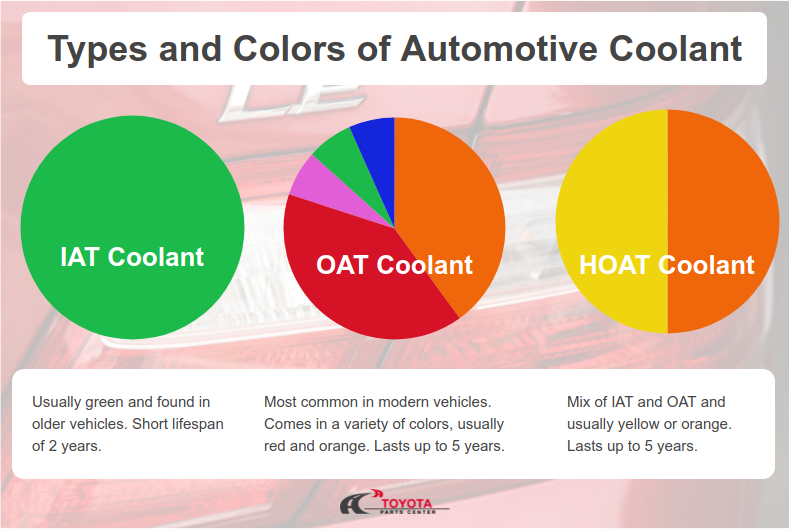
Coolant is dyed for easy identification, but not all colored fluids are coolant, and not all leaks leave obvious puddles. Knowing what to look for helps you confirm a leak quickly.
Check for Bright, Non-Oily Stains
Coolant leaks often leave brightly colored puddles under the car. Common hues include green for traditional IAT coolant, orange for OAT used in many GM and import vehicles, and pink, blue, or yellow for manufacturer-specific formulas like Honda’s or Toyota’s. Unlike oil or transmission fluid, coolant is water-thin, translucent, and non-greasy. It spreads quickly on surfaces and dries to a sticky residue.
Use the Napkin Test for Confirmation
Place a drop of the fluid on a white paper towel. Coolant wicks outward with a pastel halo and leaves no oily ring. Oil leaves a dark, greasy stain that does not dry. Transmission fluid is red and slightly slick. Park over a clean cardboard sheet overnight to pinpoint the leak location by morning.
Detect the Sweet, Syrupy Smell
A maple-syrup-like odor is one of the most distinctive signs of a coolant leak, especially when the engine is hot. This sweet smell comes from ethylene glycol vaporizing on hot engine components.
Smell After Shutting Off the Engine
When coolant drips onto hot exhaust manifolds or engine parts, it vaporizes and releases a sweet, pungent smell under the hood. This often happens right after turning off the car, during or after a long drive, or when idling in traffic. The smell is distinct from oil burning, which produces a sharp, acrid odor.
Notice Odors Inside the Cabin
If you smell sweetness inside the car, especially with foggy windows or damp floor mats, the leak is likely in the heater core. This internal leak sends steam and fluid into the passenger compartment, creating a musty, sugary scent that lingers. Do not ignore this symptom, as it often indicates a failing heater core that requires professional repair.
Watch for Engine Overheating
A rising temperature gauge is a red flag, literally. Overheating is one of the most serious symptoms of a coolant leak and should never be ignored.
Monitor the Temperature Gauge
If the needle climbs into the red zone or the overheat warning light comes on, coolant levels may be too low to regulate engine heat. This often happens in stop-and-go traffic, on hot days, or during extended idling. Even minor leaks can cause overheating over time as coolant slowly escapes the system.
Recognize Intermittent Overheating
Some leaks only appear under pressure or at operating temperature. You might notice the car overheats on long drives but runs fine short-term, or temperature returns to normal after cooling down. Repeated need to refill coolant with no visible puddles suggests a slow or internal leak that worsens with heat. Address this pattern immediately to prevent catastrophic engine damage.
Check Coolant Levels Regularly
Frequent top-offs without an obvious leak point to a hidden problem. Internal leaks can be just as dangerous as external ones.
Inspect When Engine Is Cold
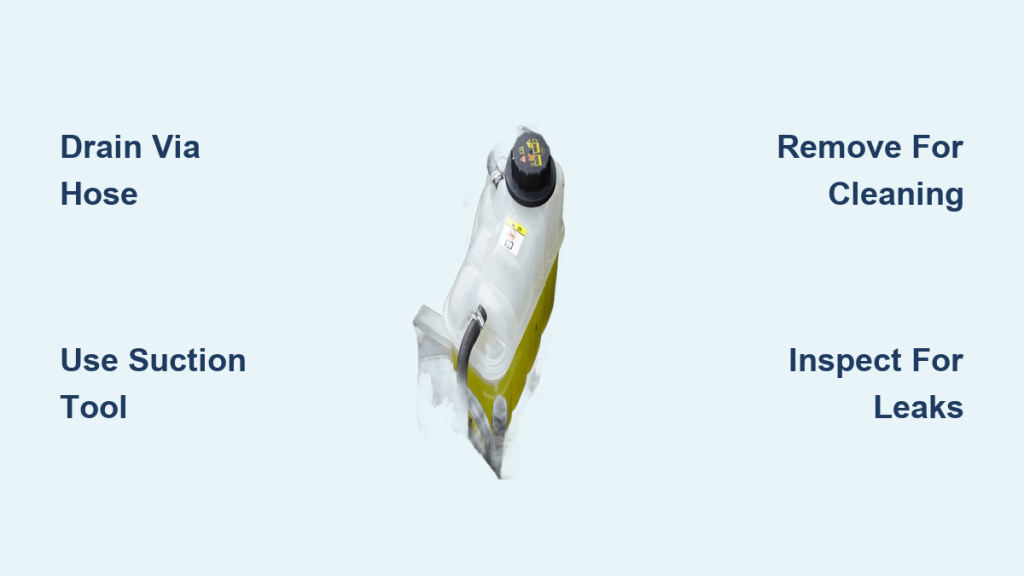
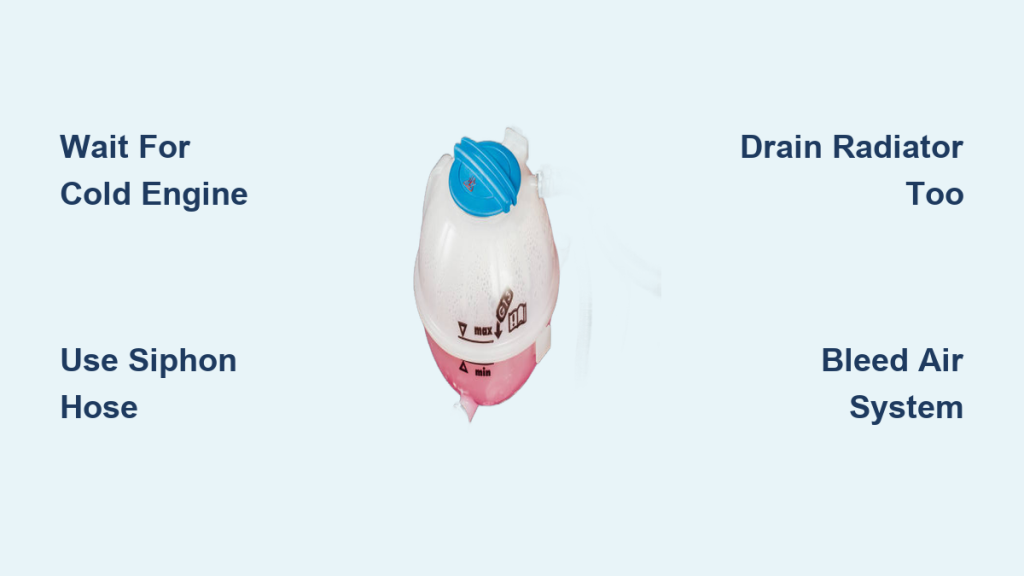
Always check coolant levels with a cold engine. Never remove the radiator cap or reservoir cap when hot, as pressurized steam can cause severe burns. Open the translucent overflow tank and verify fluid is between Min and Max. If the reservoir is empty or nearly empty, refill and monitor closely. A consistently low coolant level even without puddles could mean a blown head gasket or cracked block.
Look for Bubbles in the Reservoir
With the engine running and warmed up, watch the coolant in the reservoir. Air bubbles or churning indicate combustion gases entering the cooling system, which is proof of an internal leak like a failed head gasket. This is a serious condition that requires immediate attention from a professional mechanic.
Decode Dashboard Warning Lights
Modern vehicles use sensors to alert you before overheating occurs. Pay attention to these warnings.
Respond to Low Coolant Warnings
Many cars have a dedicated low coolant light, often a thermometer-in-water symbol. If it stays on or flashes, stop driving and check coolant level immediately. Inspect for leaks and do not ignore the warning, even if the engine feels normal. The sensor is triggered for a reason.
Never Ignore the Overheat Light
Once the red temperature light illuminates, engine damage is already possible. Shut off the engine immediately and let it cool. Driving further risks warping the cylinder head or cracking the engine block. This damage can be irreversible and extremely expensive to repair.
Spot Steam from the Engine Bay
Seeing white vapor rising from under the hood while driving is a clear sign coolant is boiling off hot engine parts.
Distinguish Coolant Steam from Exhaust Smoke
Engine bay steam appears near the radiator, hoses, or water pump. It is often accompanied by the sweet smell and rising temperature gauge. It may stop once the coolant burns off or the engine cools. This differs from exhaust smoke, which comes from the tailpipe and may indicate different engine problems.
Do not open the hood immediately after seeing steam. Wait 20 to 30 minutes to avoid steam burns. The cooling system remains pressurized and hot enough to cause serious injury.
Diagnose Heater and Defrost Problems
If your cabin heater blows cold air even when the engine is warm, coolant may be low or leaking internally.
Test the Heater Output
Turn the heater to maximum heat. If air stays cool, the system may have air pockets or low coolant. If the temperature gauge is normal but heat is weak, suspect a blocked or leaking heater core. This simple test can reveal cooling system issues before they become major problems.
Check for Wet Floor Mats
A heater core leak often soaks the passenger-side floor or driver’s side carpet. Look for damp or spongy floor mats, sticky residue on shoes, or persistent fog on the windshield that will not clear. This is a clear sign coolant is escaping into the cabin and needs immediate repair.
Identify White Exhaust Smoke
Thick, white smoke from the tailpipe, especially after warm-up, is a major red flag indicating internal coolant leakage.
Differentiate Coolant Smoke from Condensation
Normal condensation produces thin, brief vapor on cold starts. Coolant smoke produces thick, continuous white plumes that smell sweet. This happens when coolant enters the combustion chamber and burns with fuel, which is common with a blown head gasket, cracked cylinder head, or cracked engine block.
Confirm with Oil Dipstick Inspection
Pull the oil dipstick and check for milky, frothy residue that looks like chocolate milk or visible bubbles. This means coolant is mixing with oil, and immediate engine shutdown is required to prevent hydrolock or bearing failure. Do not drive the vehicle in this condition.
Inspect Common Leak Sources
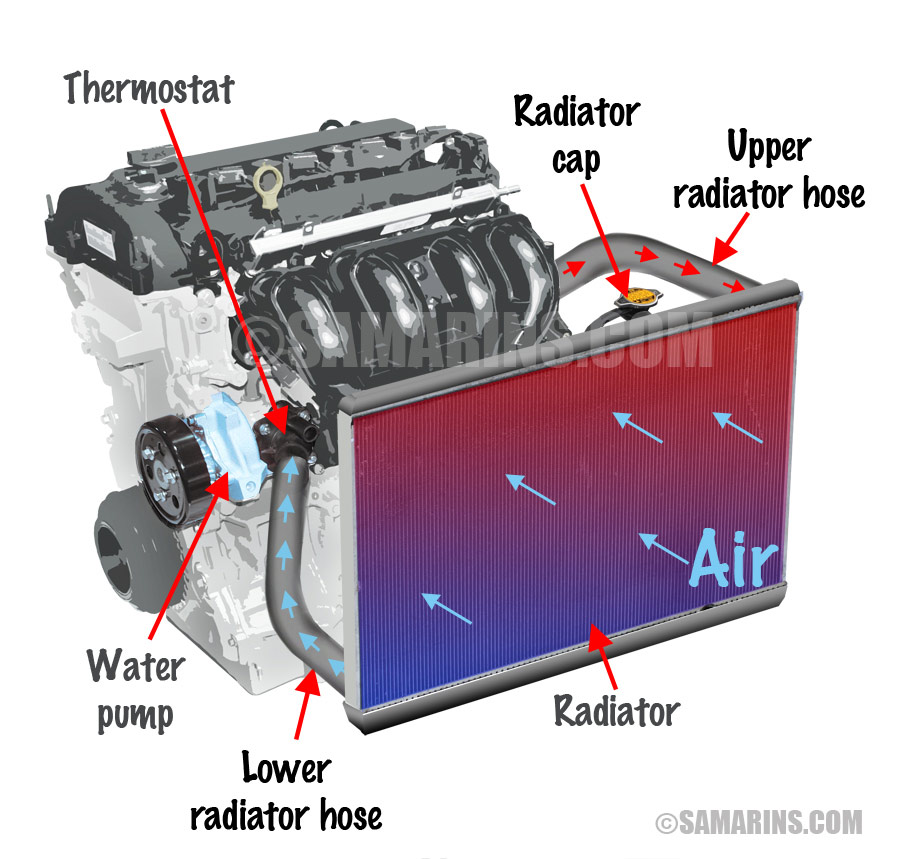
Many coolant leaks come from predictable parts. A systematic check can catch issues early before they cause damage.
Radiator: Cracks and Failed Seams
The radiator takes constant heat and road debris. Common failure points include plastic end tanks cracking where they meet the aluminum core, pinholes from rocks or corrosion, and leaking transmission cooler lines integrated in some radiators. Some radiator leaks only appear when cooling down, as pressure drops and cracks open.
Hoses: Cracks, Soft Spots, and Leaky Clamps
Inspect all coolant hoses including upper and lower radiator hoses, heater hoses, and bypass hoses. Squeeze them: they should feel firm, not soft or bulging. Look for cracks at bends or clamps, wetness or crusty deposits, and collapsed or swollen sections. Replace hoses in pairs if one is failing, as others are likely to follow.
Water Pump: Weep Hole and Shaft Leaks
The water pump has a weep hole, a small drain hole at the bottom. If it is dripping, the internal seal is failing and replacement is needed before full failure. Also check the front of the pump near the timing cover for streaks or puddles indicating shaft seal failure.
Thermostat Housing and Gasket
Located near the top hose, this aluminum housing often leaks due to a corroded gasket, cracked housing from overtightening, or improper reinstallation. Look for dampness or dried coolant around the housing. This area is often overlooked but represents a common leak source.
Heater Core: Hidden but Critical
The heater core sits behind the dashboard and is hard to access. Signs of failure include sweet smell in cabin, wet carpets, foggy windows, and coolant residue under the glove box. Diagnosis often requires a pressure test or UV dye check. Expect significant labor costs for replacement.
Head Gasket and Intake Seals
Internal leaks are harder to spot but more dangerous. Suspect a blown head gasket if you have overheating combined with white exhaust smoke, bubbles in the coolant, milky oil, or misfires or rough idle. V-type engines may leak at the intake manifold gasket where coolant passages are sealed.
Diagnose Leaks Step by Step
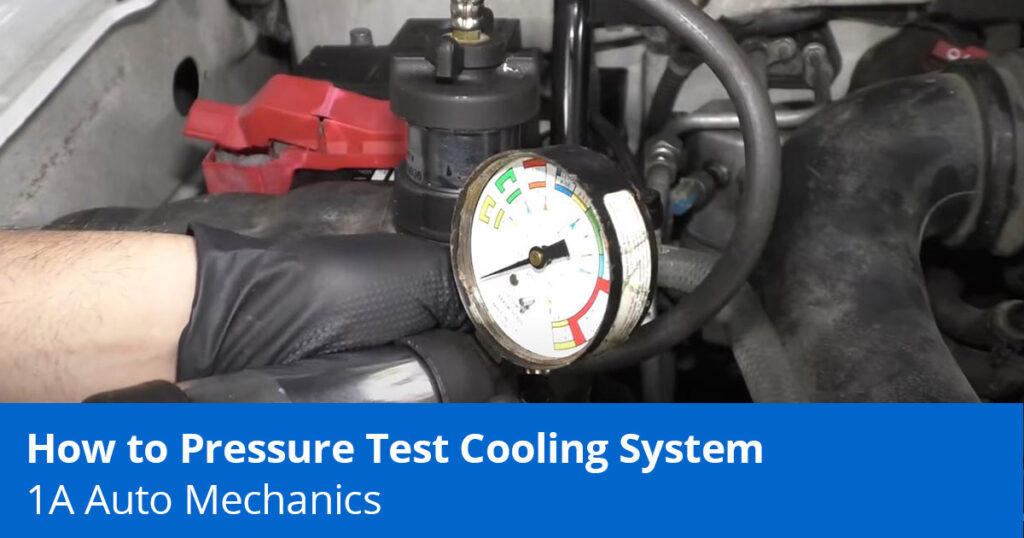
A methodical approach beats guesswork. Use these proven techniques to find the source accurately.
Perform a Cold Visual Inspection
Park on level ground and place white cardboard under the engine overnight. Next morning, map fluid locations by color and position. Start at the top of the engine and work down, as coolant runs downhill and may pool far from the source. Use a flashlight to inspect hard-to-see areas.
Pressure Test the Cooling System
A cooling system pressure tester mimics operating pressure to expose hidden leaks. Attach the tester to the radiator or reservoir neck with the engine cold. Pump to the cap’s rated pressure, usually 13 to 18 psi. Hold for 10 to 15 minutes and watch for pressure drop or visible seepage. This test finds tiny hose leaks, radiator seam seepage, and gasket failures. Never pressure test a hot engine.
Use UV Dye for Hidden Leaks
For intermittent or invisible leaks, add UV fluorescent dye to coolant. Run the engine until warm, then scan with a black light. Glowing spots reveal micro-cracks, leaking heater core, or seepage behind components. Dye kits are affordable and reusable, making this an excellent diagnostic tool for home mechanics.
Repair and Prevent Future Leaks
Fixing a coolant leak is not just about replacing parts, it is about restoring system integrity.
Fix by Leak Source
Radiator cracks require radiator replacement and system flush. Rotten hoses need OEM-spec replacement and clamp inspection. A bad radiator cap demands the correct pressure-rated cap installation. Water pump weep hole leaks require pump replacement and belt inspection. Thermostat gasket issues call for gasket replacement with proper torque specifications. Heater core replacement is recommended by professionals. Head gasket failures require major repair and mechanic assessment. Reservoir tank cracks can be sealed temporarily with epoxy but should be replaced.
After any repair, flush the system to remove old coolant and debris. Refill with the correct type and mix, typically 50/50 water and coolant. Bleed air pockets, as many cars have bleed valves or require special procedures.
Prevent Leaks with Maintenance
Inspect hoses and clamps every 6 months. Replace coolant every 30,000 to 100,000 miles per your manual. Use only manufacturer-approved coolant, as mixing types causes sludge. Test the radiator cap during regular service. Monitor the temperature gauge daily. Fix small drips immediately, as they grow into major problems fast.
Can You Drive with a Coolant Leak?
No, driving with a coolant leak risks catastrophic engine damage. Even small leaks can cause warped cylinder heads, blown head gaskets, cracked engine blocks, and complete engine failure.
If you must drive, ensure coolant is topped off and watch the temperature gauge like a hawk. Avoid hills, towing, or high speeds. Drive directly to a repair shop. Better yet, tow the vehicle instead of risking engine destruction.
Key Takeaways for Spotting Coolant Leaks
Colored puddles, sweet smells, and overheating are the top signs of a coolant leak. Internal leaks like head gasket failure may not leave puddles but are just as dangerous. Check coolant monthly, especially before summer or winter. Use pressure tests and UV dye to find hidden leaks. Radiator seams, hoses, and water pumps are the most common failure points. Never ignore dashboard warnings. Preventive maintenance is far cheaper than engine replacement.
Frequently Asked Questions About Spotting Coolant Leaks
What color is coolant when it leaks?
Coolant appears in bright colors including green, orange, pink, blue, yellow, or lime green depending on the formula. It is non-oily and translucent, unlike oil which leaves dark, greasy stains.
How can I tell if my coolant leak is serious?
A serious leak shows multiple symptoms: overheating gauge, white smoke from exhaust, sweet smell, low coolant warning light, or milky oil. Any of these require immediate attention.
Can I drive my car with a small coolant leak?
Driving with any coolant leak is risky. Even small leaks can lead to overheating and major engine damage. If you must drive, monitor temperature closely and reach a mechanic immediately.
Where do most coolant leaks originate?
The most common sources are radiator seams, degraded hoses, faulty water pump seals, thermostat housing gaskets, and heater core failures. Regular inspection of these areas catches problems early.
How do I find a coolant leak that does not leave a puddle?
Use a pressure test to pressurize the cooling system and watch for seepage. Add UV dye to coolant and scan with a black light to find hidden leaks. Check for internal symptoms like milky oil or white exhaust smoke.
What happens if I ignore a coolant leak?
Ignoring a coolant leak leads to engine overheating, warped cylinder heads, blown head gaskets, cracked engine blocks, and complete engine failure. Repair costs escalate quickly from a simple hose replacement to a full engine rebuild.