
You’re driving your Ford Super Duty when suddenly, the message center flashes: “Check Coolant Additive.” It’s not a check engine light, but it’s persistent and confusing. Should you panic? Head to the dealer? Or can you handle it yourself?
The truth is, this alert is not a fault code. It’s a mileage- and time-based maintenance reminder built into Ford’s 6.7L Power Stroke diesel trucks to prompt inspection of your engine’s coolant condition. No sensor measures additive levels. Instead, the system estimates depletion using engine runtime and mileage. That means you can reset it manually, but only after verifying your coolant is in good shape.
In this guide, you’ll learn how to test coolant health, add rejuvenator if needed, and reset the warning using only your steering wheel controls. You’ll also discover common dealer misconceptions, avoid costly mistakes, and extend your engine’s life with smart maintenance.
Decode the Coolant Additive Warning
Why the Warning Appears
The “Check Coolant Additive” message triggers every 13,000 to 20,000 miles, depending on engine hours and model year. It’s managed by the Body Control Module (BCM) or instrument cluster using an internal algorithm, not a physical sensor.
This means the system does not test actual additive levels. It assumes gradual depletion over time. It resets only via manual confirmation.
Ignoring it won’t harm your truck immediately, but skipping inspections risks long-term damage. This is especially true in engines with Compacted Graphite Iron (CGI) blocks, which are prone to cylinder liner cavitation without proper protection.
What the Alert Protects Against
Your 6.7L Power Stroke relies on organic acid technology (OAT) coolant with carboxylate-based additives to prevent corrosion and rust in aluminum and iron components. It also shields cylinder liners from micro-pitting due to high combustion pressure. Additionally, it maintains freeze and boil protection across extreme temperatures.
Without adequate additives, coolant breaks down, leading to sludge, gelling, and even engine failure.
Critical Insight: If you see brown, cloudy, or slimy coolant, stop driving and inspect immediately. These are signs of contamination or degradation.
Verify Coolant Condition First
Never reset the warning without checking coolant health. Doing so could mask serious issues.
Inspect Both Coolant Tanks
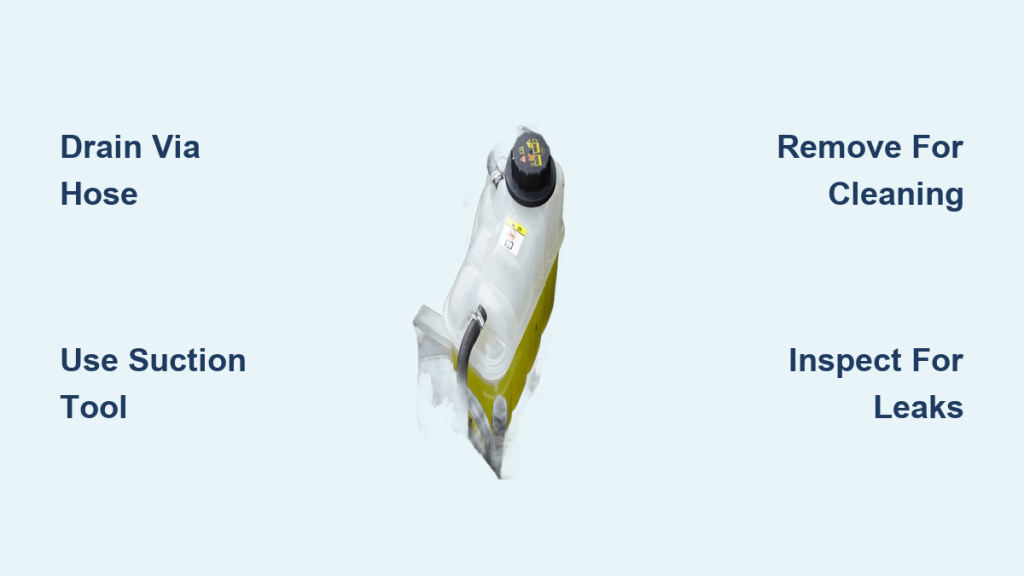
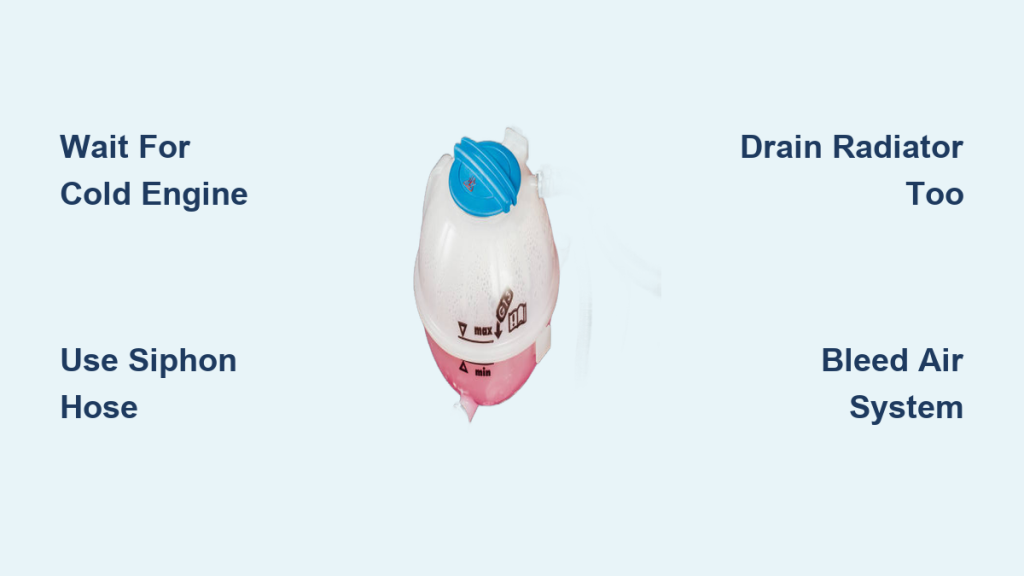
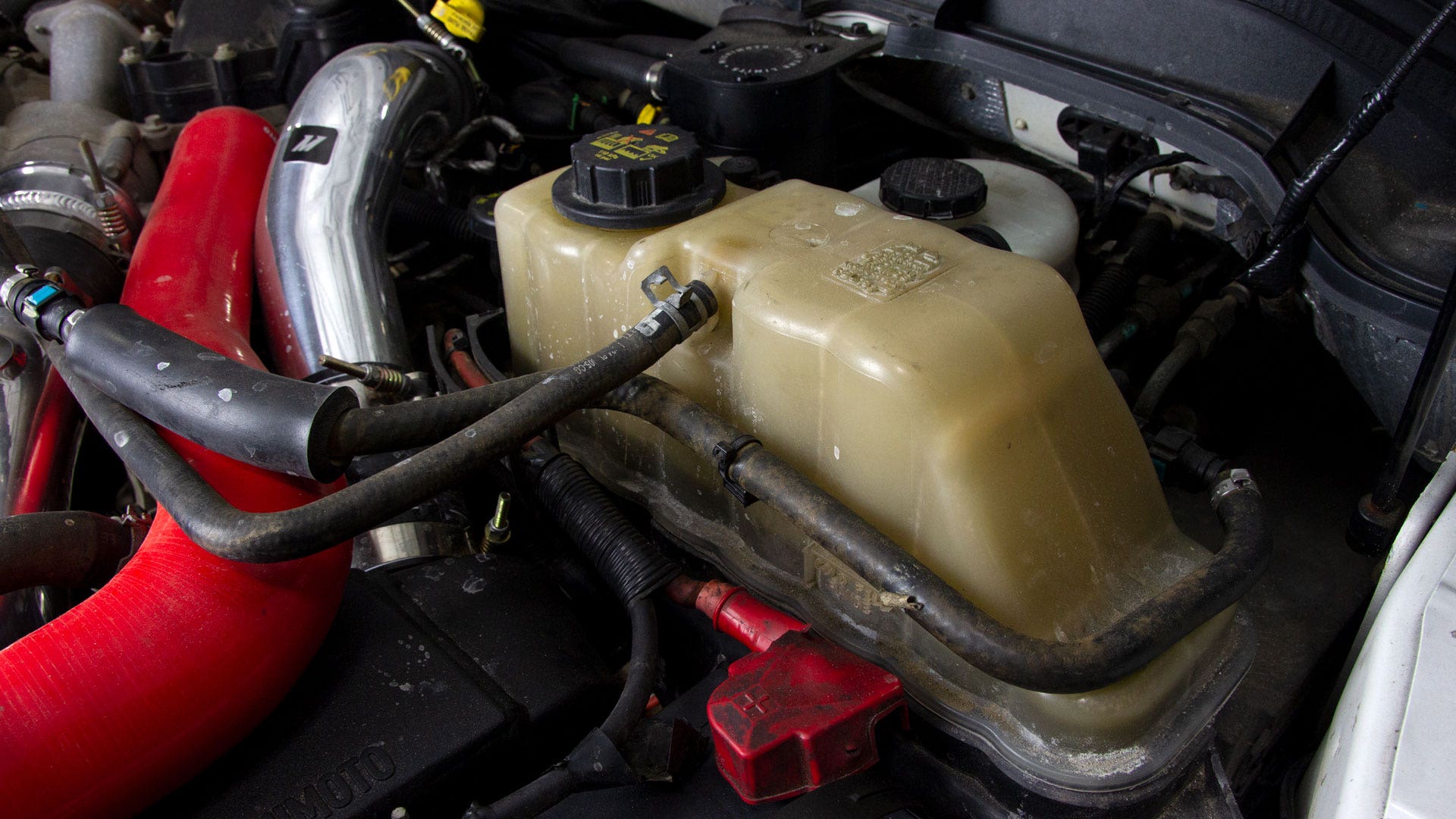
Your truck has two expansion tanks. The primary tank holds the main coolant reservoir. Check the level between the min and max lines. The secondary tank contains the additive reservoir and should also show bright orange fluid.
Look for color. Bright orange means good. Brown, green, or murky means contamination. Look for texture. Clear and fluid is good. Gel-like consistency means tap water or wrong coolant was used. Check the level. Low coolant introduces air, accelerating additive breakdown.
Test with Coolant Strips
Buy coolant test strips from auto parts stores or online to verify chemical integrity.
Test for pH and reserve alkalinity. It should be within manufacturer range, typically 8 to 11. Low means depleted additives. Test for freeze point. Ensure protection down to at least -34°F. Test for nitrite presence. It should read zero. Nitrites mean incompatible coolant was added, which is dangerous for OAT systems.
Pro Tip: Use distilled water only when topping off. Tap water causes mineral buildup and gelling.
When to Perform a Full Analysis
Take your truck to a shop for professional refractometer testing if you bought a used truck with unknown service history. Do this if coolant looks questionable. Do this if you’ve had overheating issues. They can confirm glycol concentration and additive strength accurately.
Service Intervals and Maintenance Rules
Coolant Life Expectancy
With proper care, your 6.7L coolant lasts up to 105,000 to 120,000 miles. But there are rules to follow.
At 0 to 60,000 miles, inspect at each “Check Coolant Additive” alert, which appears at approximately 13,000 to 20,000-mile intervals. At 60,000 to 105,000 miles, a flush is optional but recommended if contamination is suspected. At 105,000 miles, perform a full drain, flush, and refill with fresh VC-7 and VC-12 additive.
Additive Replenishment Limits
Ford allows up to two applications of Motorcraft VC-12 Coolant Rejuvenator per coolant lifespan.
Add VC-12 only if coolant level is low. Add it if test results show depleted additives. Add it if less than two prior additions have been made.
Never add VC-12 just because the light is on. Overuse doesn’t help and wastes money.
Signs You Need a Flush Now
Resetting the warning is unsafe if you see green or yellow tint in coolant. This means the wrong type was added. It’s unsafe if you see sludge or particles in tanks. It’s unsafe if you have persistent low levels, which indicates a leak. It’s unsafe if nitrites show on test strip.
These require a complete system flush to prevent engine damage.
Step-by-Step: Reset the Warning Message
Use this method on 2011 and newer F-250, F-350, and F-450 models with 6.7L Power Stroke engines. No tools are required.
Access the Maintenance Menu
Turn ignition to ON. Key in, turn to the “ON” position, which is the third notch. Do not start the engine. Wait for self-check to complete. Let “Check Coolant Additive” appear.
Open the message center by pressing the OK button on the steering wheel.
Navigate to coolant settings using the left and right arrows. Go to Settings, then Vehicle, then Maintenance, then Coolant.
Select Coolant Additive by scrolling to “Coolant Additive.” Highlight it and press OK.
Confirm the Reset
Hold OK to reset. Press and hold the OK button. Keep holding until the display shows “Coolant Set to New.” This takes about 3 to 5 seconds.
Finalize the reset by turning ignition OFF. Open the driver’s door, which helps reset cluster memory. Restart the engine to confirm the message is gone.
Success Check: The warning will return in approximately 13,000 to 20,000 miles. If it comes back sooner, suspect a deeper issue.
Fix Common Reset Failures
Message Won’t Clear
Try these troubleshooting steps if the message won’t clear.
No “Coolant” option in menu? Ensure ignition is in the ON position, not ACC or START. Wait 10 seconds after turning on for the system to boot. Try pressing OK again to wake the display.
“Coolant Set to New” doesn’t appear? You released OK too early. Try again, holding longer. Make sure you’re on “Coolant Additive,” not another submenu.
Light returns immediately? Possible electrical glitch or incomplete reset. Disconnect the battery ground for 5 minutes, then retry. Check for other stored messages like oil life or tire pressure.
Warning: If reset fails repeatedly, have the dealer scan for hidden BCM codes. Even though the system isn’t sensor-based, software bugs can occur.
Avoid Dealer Misinformation
“Add Additive Every 12,000 Miles”
Some dealers push VC-12 sales at 12,000 to 16,000 miles, claiming it’s required. This is not accurate.
The system alerts based on mileage, but you only add VC-12 if needed. Add it after confirming low level. Add it if test strips show depletion. Add it before reaching two total applications.
User Insight: If your dealer says you need additive this early, question it. Something else might be wrong, like a leak or wrong coolant.
“Just Reset It Without Checking”
Dealers sometimes reset the warning without inspection. While legal, it’s risky.
Best practice is to test first, reset second. Even if you trust the fluid, a quick strip test takes 60 seconds and prevents future problems.
Use Correct Coolant and Additives
Required Fluids for 6.7L Power Stroke
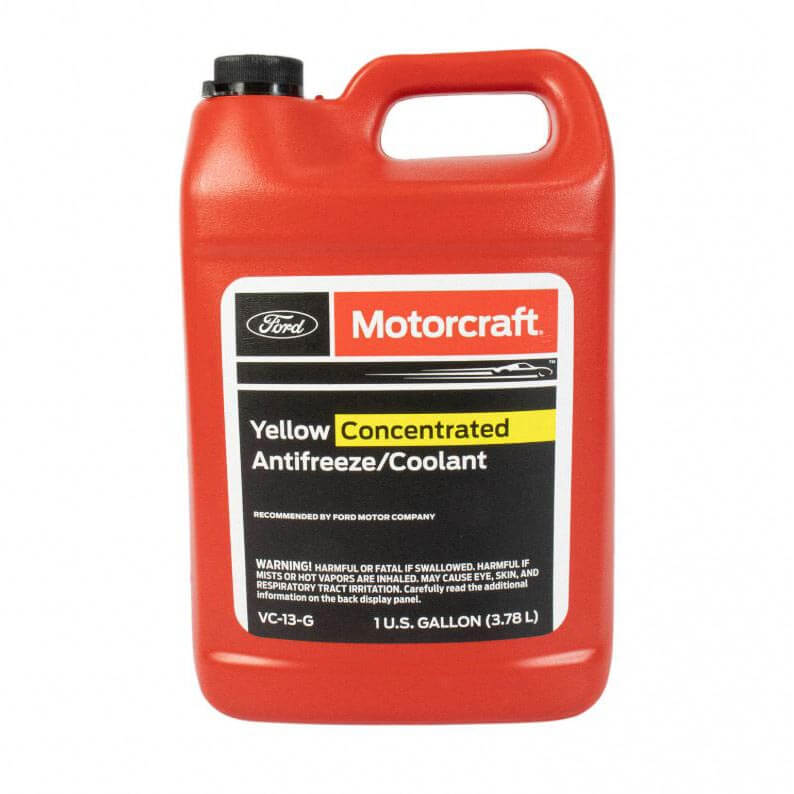
Use Motorcraft VC-7 for coolant. This is the orange OAT formula. Use Motorcraft VC-12 Coolant Rejuvenator as the additive. For top-off fluid, use distilled water plus VC-7 or VC-12 as needed.
What to Avoid
Avoid green IAT coolant. It destroys OAT chemistry. Avoid nitrite-based coolants. They cause rapid corrosion in CGI engines. Avoid tap water. It leads to mineral deposits and gel formation. Avoid universal or unapproved additives. They can react poorly with carboxylates.
Mixing Rule: Only mix VC-7 with VC-7. Add VC-12 only when topping off or restoring additive levels.
Long-Term Cooling System Care
Preventive Maintenance Checklist
At every “Check Coolant Additive” interval, inspect both expansion tanks. Test with coolant strips. Top off with VC-12 only if needed. Reset warning via menu.
At 105,000 miles, perform a full coolant flush. Refill with fresh VC-7. Add new VC-12 dose. Reset system.
Pro Tips for Engine Longevity
Keep records of all coolant services, mileage, and VC-12 applications. Never run low on coolant because air causes oxidation and additive loss. Use a coolant cap tester if you frequently lose fluid, as this checks for leaks. Replace coolant caps every 5 years because they regulate pressure and prevent boil-over.
Expert Note: Test before you reset. Reset only after you verify. And flush at 105,000 miles with no exceptions.
Key Facts at a Glance
| Detail | Information |
|---|---|
| Applies To | 2011+ Ford F-250/F-350/F-450 6.7L Power Stroke |
| Trigger Interval | Approximately 13,000 to 20,000 miles or 600 engine hours |
| Trigger Type | Algorithm-based, no sensor |
| Coolant Type | OAT, Orange (Motorcraft VC-7) |
| Additive | VC-12, maximum 2 per coolant life |
| Flush Interval | Every 60,000 miles or at 105,000 miles |
| Reset Path | Settings, Vehicle, Maintenance, Coolant, Hold OK |
| Reset Confirmation | “Coolant Set to New” message |
| Critical Tests | Nitrite, pH, freeze point, visual clarity |
| Never Use | Nitrite coolants, tap water, green antifreeze |
Frequently Asked Questions About Resetting Check Coolant Additive
How often does the “Check Coolant Additive” warning appear on a 6.7L Power Stroke?
The warning typically appears every 13,000 to 20,000 miles or every 600 hours of engine operation, depending on your driving habits and model year. Heavy-duty use or high idle time may trigger it more frequently.
Can I reset the “Check Coolant Additive” warning without adding additive?
Yes, you can reset it without adding additive if your coolant tests show adequate levels and the fluid is in good condition. The warning is a maintenance reminder, not an automatic command to add product.
What happens if I ignore the “Check Coolant Additive” warning?
Ignoring it won’t cause immediate engine failure, but it does risk long-term damage. Without proper additive levels, corrosion and cavitation can damage cylinder liners, especially in the 6.7L’s CGI engine block.
Is the “Check Coolant Additive” warning sensor-based?
No, it’s not sensor-based. The system uses an algorithm within the Body Control Module that estimates additive depletion based on mileage and engine runtime. There’s no physical sensor measuring additive concentration.
Can I use any coolant additive in my 6.7L Power Stroke?
No, you should only use Motorcraft VC-12 Coolant Rejuvenator. Using nitrite-based additives or incompatible coolants can cause rapid corrosion and damage your cooling system. Always use Ford-approved products.
Why do dealers recommend adding additive so frequently?
Some dealers may recommend adding VC-12 at every warning, around 12,000 to 16,000 miles. However, this is often unnecessary unless testing confirms depletion. Early additive needs may indicate another problem like a leak or wrong coolant type.
Final Thoughts on Resetting Your Coolant Additive Warning
The “Check Coolant Additive” warning is your friend, not a threat. It’s designed to protect one of the most critical systems in your diesel truck. By testing first, using the right fluids, and resetting correctly, you maintain control, save money, and ensure your Power Stroke runs strong for years to come.
Don’t ignore the warning, but don’t panic either. Now you know exactly what to do. The key steps are simple: inspect your coolant visually, test with strips if needed, add VC-12 only when necessary, and reset through the vehicle menu. At 105,000 miles, perform a full flush regardless of condition.
By following this schedule and using only Ford-approved products, you’ll protect your investment and avoid costly repairs down the road.