A sharp hiss from your radiator on a cold morning is more than just an annoyance. That sound usually signals trapped air, a faulty valve, or a small leak somewhere in the system. Left unchecked, it can drive up energy bills and shorten your heating system’s lifespan. The good news is that learning how to fix a hissing radiator is well within reach for most homeowners.
This guide walks you through diagnosing the source of the noise, applying the right repair, and preventing future problems. You will learn when a quick bleed is enough and when it is time to call a professional. With basic tools and a few minutes of your time, you can restore quiet, efficient heat to your home.
Pinpoint Where the Hissing Is Coming From
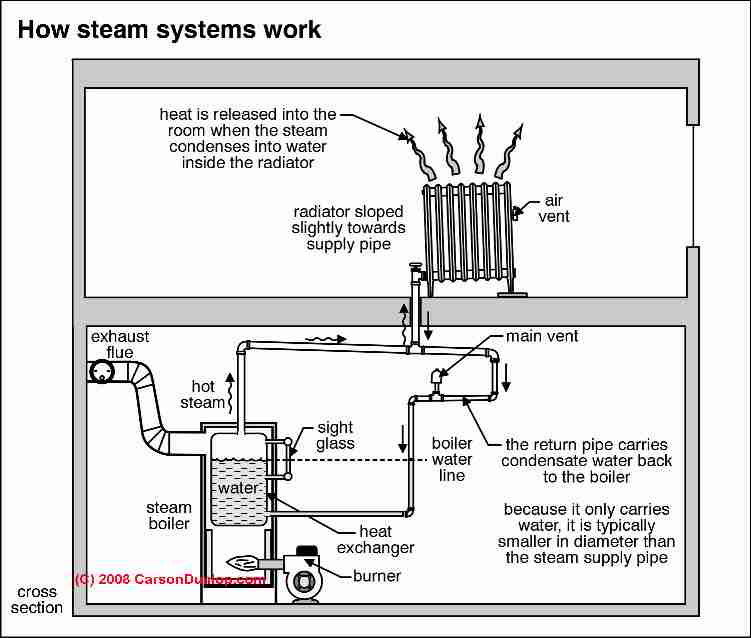
Before you grab any tools, you need to identify the exact source of the noise. Is it the radiator itself, the pipes, the valves, or the boiler? Repairing the wrong component wastes time and can make the problem worse.
Distinguish Radiator Noise from Boiler Noise
If the hissing originates from the boiler, stop and call a heating professional right away. Internal boiler faults can be dangerous and require licensed expertise. If the sound is isolated to one or more radiators, you can usually proceed safely once the system has cooled.
Run a Soap Test to Detect Leaks
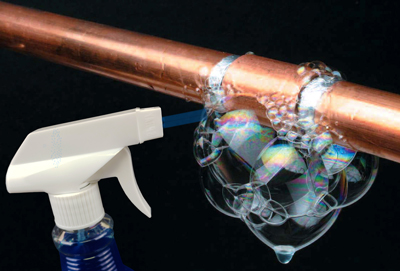
Mix a few drops of dish soap with water and brush it onto:
• Air vent connections
• Valve threads
• Radiator seams
Bubbles will form if air or steam is escaping. This quick test confirms whether the hiss comes from a physical breach.
Note When the Noise Happens
Pay attention to timing and accompanying sounds:
• Hissing only at startup often means normal air venting in steam systems
• Constant hissing points to a stuck-open air valve or a leak
• Hissing paired with gurgling suggests trapped air in hot water systems
• Hissing with banging may indicate water hammer or air blockage requiring balancing
Bleed Trapped Air from Hot Water Radiators
Trapped air is the leading cause of hissing in hot water radiators. Air pockets block water flow and create pressure fluctuations that produce noise.
Bleed the Radiator with a Radiator Key
- Switch off the heating system.
- Allow the radiator to cool completely.
- Place a towel or small bowl beneath the bleed valve at the top corner.
- Insert a radiator key and turn it counterclockwise slowly.
- Listen for the hiss of escaping air.
- Close the valve tightly as soon as water begins to drip.
Pro Tip: Bleed all radiators once a year, ideally before winter. This prevents noise and