Coolant keeps your engine from overheating, freezing, and corroding, yet many drivers treat it like windshield washer fluid, topping it off regularly without understanding why. The truth? A properly functioning cooling system should not require frequent refills. If you find yourself adding coolant more than once a year, you likely have an underlying issue that needs investigation rather than routine maintenance.
This guide breaks down what coolant loss is normal versus problematic, when to check levels correctly, how to top off safely, and what to do if coolant keeps disappearing without visible leaks.
Normal Coolant Loss: What’s Acceptable
Minor Evaporation Happens in Every System
Even in sealed systems, tiny amounts of coolant vapor can escape through the pressure relief cap during thermal expansion. This is normal physics, not a leak.
Acceptable loss includes less than 8 ounces every 2 to 3 years in modern vehicles, or a few ounces over 5 to 8 years with proper maintenance. In hot climates or older open systems, you might lose 1 to 2 cups per year, which remains within normal parameters.
Real-world examples show a 2007 Dodge Challenger owner added about 1 cup every 3 years with no leaks found, attributed solely to cap venting. If you’re topping off small amounts infrequently and your engine runs at normal temperatures, there’s likely no cause for concern.
Sealed vs. Open Systems Matter
Your refill frequency depends heavily on your cooling system design.
Sealed closed-loop systems are common in most modern vehicles built after the 1980s. The pressure cap sits on the radiator, the overflow tank recycles coolant, and minimal loss is expected. Open unsealed systems are found in older models and some heavy-duty trucks. The reservoir cap vents to air, allowing gradual evaporation, especially in high heat. For these vehicles, topping off every 6 to 12 months may be normal.
If you drive a newer car with a sealed system, regular refills are not normal. For older models, minor top-ups are simply part of ongoing maintenance.
When and How to Check Coolant Levels
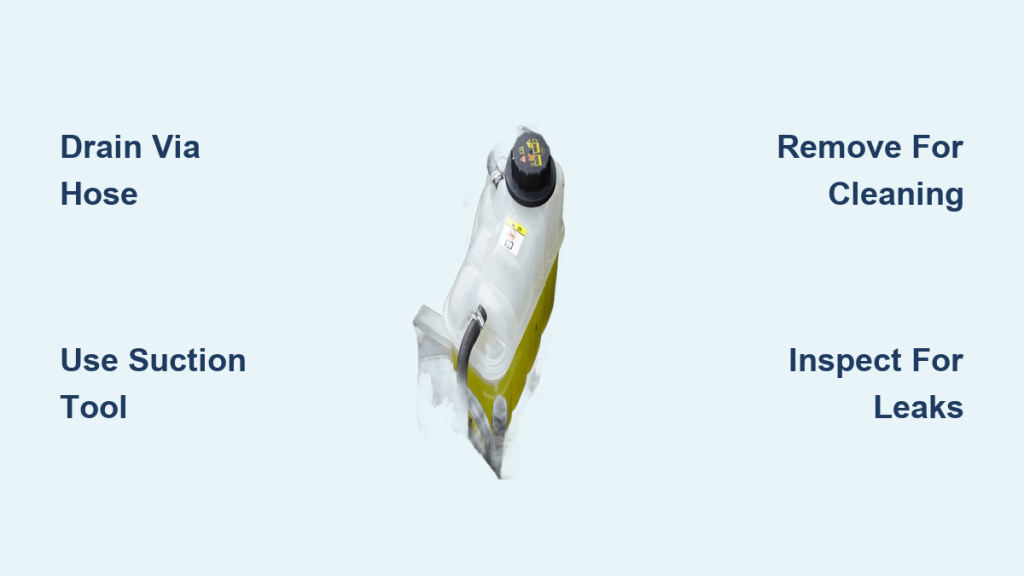
Check Only When Engine Is Cold
One of the biggest mistakes drivers make is checking coolant when the engine is warm. This gives a false full reading because coolant expands when hot.
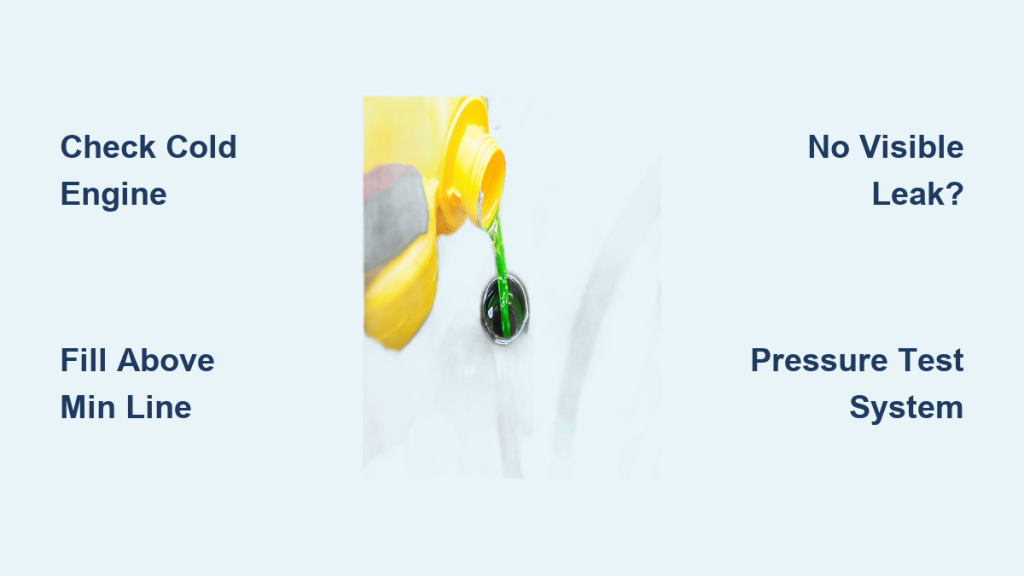
The best time to check is first thing in the morning before starting the car, when the engine is completely cold. Checking warm leads to overfilling, which causes expulsion through the cap and creates a cycle of unnecessary top-offs. Perform 2 to 4 cold checks per year, or rely on your vehicle’s low coolant warning light as the primary trigger.
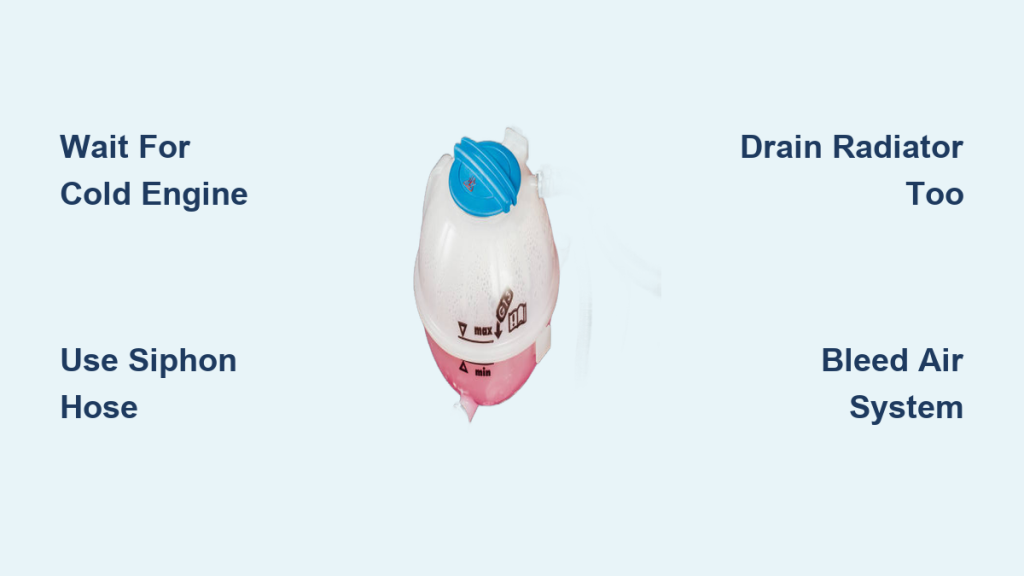
Fill Level: Just Above Min, Never Max
Never fill to the Max line when the engine is cold. The correct level sits slightly above the Min mark, which allows room for expansion when the engine heats up. Overfilling causes excess coolant to vent out, mimicking a leak and leading to false concerns about system integrity.
Expert mechanics advise against chasing the Max line. Let the system do its job by maintaining the cold fill line properly.
Signs Coolant Loss Is a Problem
Frequent Top-Offs Signal Trouble
Needing to add coolant every few weeks or months is not normal, even in older vehicles. Use this reference for severity assessment.
| Refill Frequency | Likely Cause |
|---|---|
| Every 1 to 2 weeks | Active leak or failing component |
| Every oil change | Open system design or early gasket failure |
| More than 16 ounces per year | Internal leak or head gasket issue |
If you’re using more than 16 ounces annually without an open system, investigate further immediately.
Hidden Leak Indicators to Watch
You don’t need to see a puddle to have a coolant problem. Watch for white crust or streaks near the radiator, hoses, or cap, which indicate past seepage. A sweet syrupy smell under the hood points to ethylene glycol leakage. Steam while driving suggests a pressurized external leak. White smoke at startup means coolant is burning in the combustion chamber. Milky oil on the dipstick indicates a blown head gasket. Fluctuating temperature gauges can signal air pockets or low coolant flow.
A slow drip from the water pump might never hit the ground but can drain coolant over time. Even no visible leak doesn’t rule out failure.
Common Failure Points by Mileage
At 60,000 to 70,000 Miles: Risk Zone
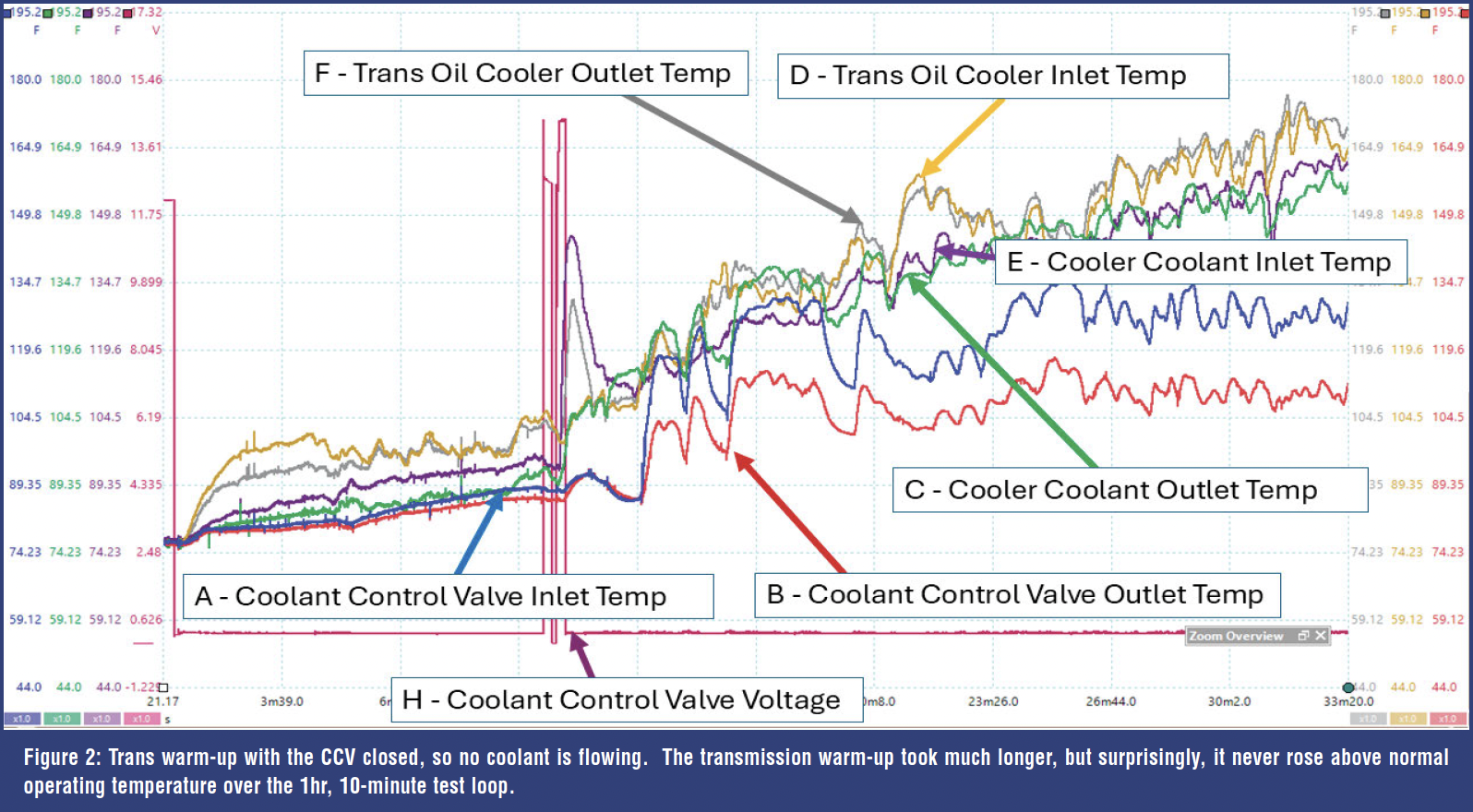
Many cooling system components degrade around this mileage range. The radiator develops plastic tank cracks or aluminum core micro-leaks. The water pump seal fails before the bearing, causing gradual loss without noise. The thermostat housing gasket deteriorates as a common failure point. Hoses become brittle and develop hairline cracks. The head gasket is especially prone in BMW, Ford, and GM models.
One driver added coolant every few weeks and discovered a failing water pump seal. The pump wasn’t noisy, but coolant was weeping internally. If your vehicle exceeds 60,000 miles and needs coolant, inspect these areas first.
How to Top Off Coolant Safely
Step-by-Step Refill Process
- Wait for a cold engine. Wait 2 to 3 hours after shutdown. Never open the cap while hot because risk of scalding from 250-degree pressurized steam is severe.
- Clean the cap area. Wipe dirt off the reservoir to prevent contamination.
- Use the correct coolant type. Check your owner’s manual for the specification, such as HOAT, OAT, or G12. Mixing incompatible types can cause gel formation, corrosion, or blockages.
- Add 50/50 mix only. Use pre-mixed coolant or blend antifreeze with distilled water. Tap water contains minerals that cause scaling.
- Fill to the cold line. Add slowly until the level reaches just above Min. Do not exceed Max.
- Secure the cap tightly. This ensures pressure integrity and prevents vapor loss.
- Dispose of leftover coolant properly. Coolant is toxic to pets and the environment. Recycle it at an auto parts store or hazardous waste facility.
Coolant Flush vs. Top-Off: Know the Difference
Topping Off Is Not Maintenance
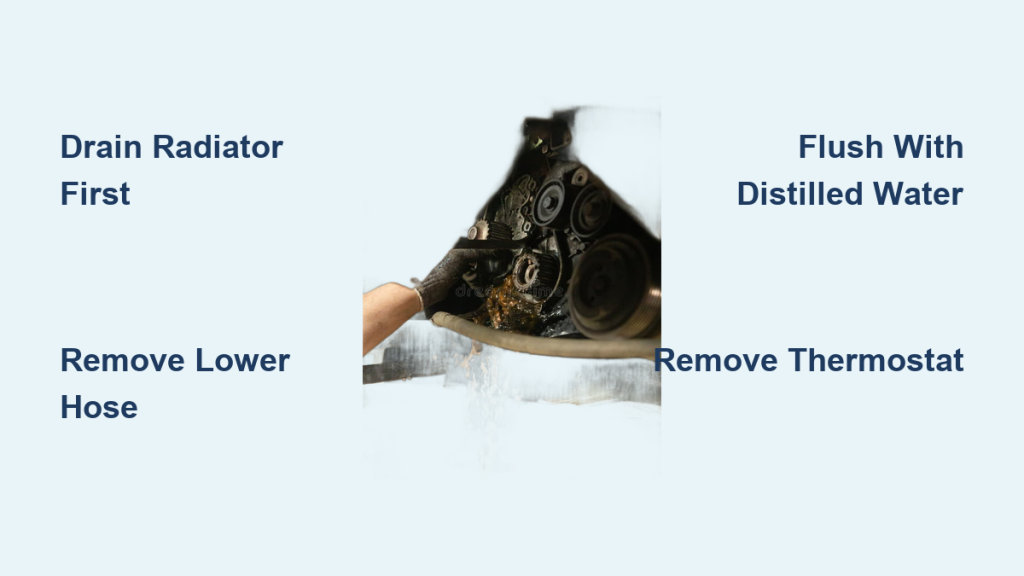
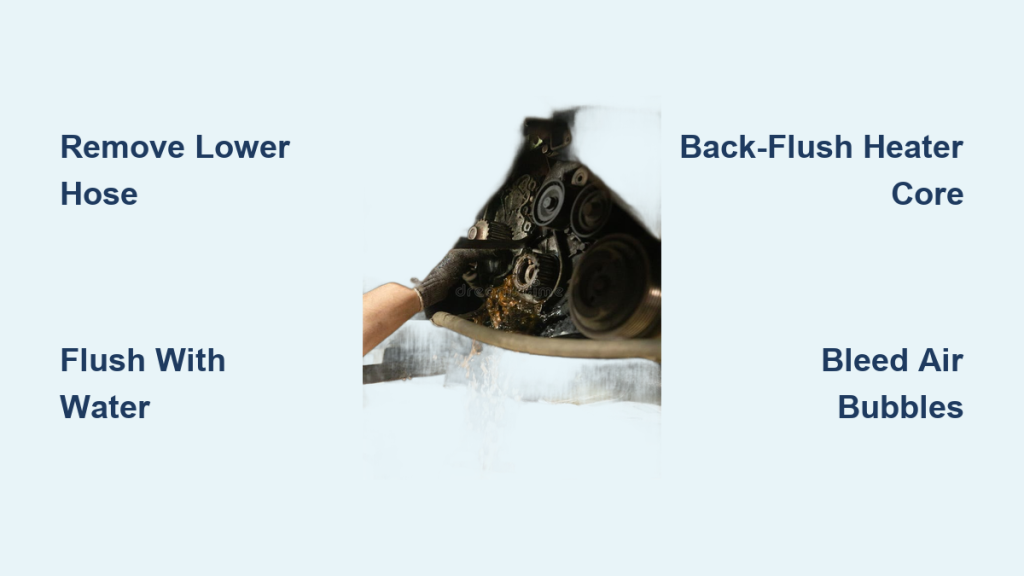
Adding coolant maintains the fluid level but does not improve system health. A coolant flush replaces old fluid to remove rust, scale, and depleted additives. Manufacturers recommend flushing every 5 to 10 years or 100,000 miles for long-life coolants. Under harsh conditions like towing, stop-and-go traffic, or extreme temperatures, flush every 2 to 3 years.
Always use distilled water when mixing. Minerals in tap water reduce heat transfer and promote corrosion.
What Causes Coolant Loss Without Visible Leaks
Even with a dry engine bay, coolant can vanish through several mechanisms. A blown head gasket allows coolant into the combustion chamber, which exits as white exhaust smoke. A cracked head or block causes internal leakage into oil or cylinders. A failed intake manifold gasket is common in Ford 4.6L and GM 3.1L and 3.4L engines. A radiator cap that releases pressure too early or fails to reseal causes gradual loss. Porosity in aluminum radiators creates microscopic leaks that weep slowly. Opening the reservoir while warm releases vapor, and repeated openings deplete coolant over time.
If coolant drops but no leak is visible, pressure test the system or perform a block test for combustion gases.
Diagnosing Unexplained Coolant Loss
Step-by-Step Investigation
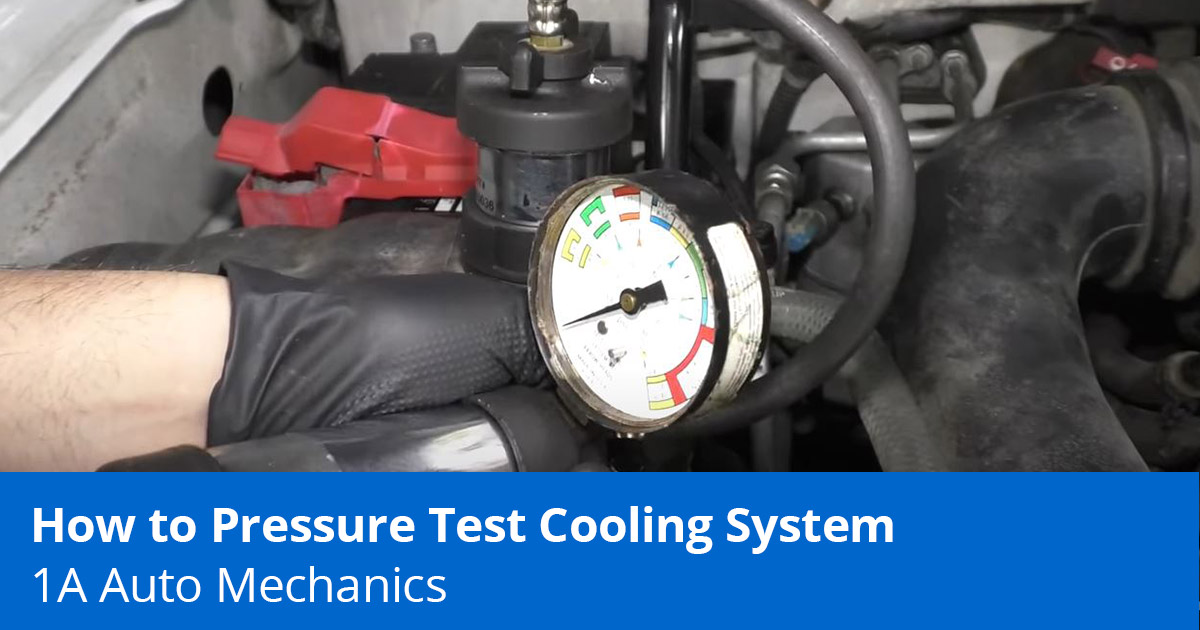
- Pressure test the system. Pump to specification, typically 15 psi, and monitor for pressure drops. This identifies hidden leaks in the radiator, hoses, or heater core.
- Perform a block test. This detects hydrocarbons in coolant and confirms head gasket failure.
- Inspect the exhaust. White smoke at startup indicates coolant burning in a cylinder.
- Check oil for contamination. Milky residue on the dipstick or valve cover means coolant is mixing with oil.
- Use UV dye. Add fluorescent dye to coolant and scan with UV light to find tiny external leaks.
- Track consumption rate. Measure how fast the level drops to assess severity.
Mechanics follow a simple rule: you cannot lose coolant without there being an issue, big or small.
Emergency Response to Overheating
Act Fast to Prevent Engine Damage
If coolant loss leads to overheating, take immediate action. Turn off the engine to prevent warping, cracking, or seized pistons. Open the hood carefully while keeping your face and hands clear of steam. Wait 30 to 60 minutes for the engine to cool completely before touching anything. Check the reservoir, not the radiator. If low, add 50/50 mix to the cold fill line only. Do not remove the radiator cap when hot because pressure can cause violent coolant eruption. Seek professional help if overheating persists because this likely indicates internal failure like a head gasket, water pump, or thermostat problem.
Repeated overheating can destroy an engine. Do not drive with a high temperature gauge.
Maintenance Tips and Preparedness
Carry Emergency Coolant
Keep a quart of pre-mixed 50/50 coolant in your trunk. Pre-mixed avoids imbalance from adding water or pure antifreeze. Repurpose an old windshield washer fluid container for easy pouring and storage.
This simple step can get you home or to a mechanic safely when coolant loss catches you unexpectedly.
Annual Refill Benchmark
Use this rule of thumb for assessment. Less than 16 ounces per year is likely acceptable in older or open systems. More than 32 ounces per year requires immediate investigation. Zero refills needed represents the ideal for sealed systems.
If you’re topping off annually before winter, that’s fine. If it’s every few months, it’s a problem.
Final Answer: How Often Should You Refill Coolant
The Short Answer: Not at All Under Normal Conditions
Coolant is not a consumable fluid. A sealed system should retain coolant for years. Refilling should be rare, not routine.
| Scenario | Recommended Action |
|---|---|
| Sealed system, modern vehicle | Refill only if warning light appears. Check cold 2 to 4 times per year. |
| Open system, hot climate | Top off 1 to 2 times per year if needed. Monitor for increasing frequency. |
| Loss of more than 1 quart per year | Diagnose immediately. Likely leak or internal failure. |
| Coolant drops rapidly | Pressure test, block test, inspect for contamination. |
Frequently Asked Questions About Coolant Refill Frequency
How often should I actually add coolant to my car?
Under normal conditions, you should rarely need to add coolant at all. A properly sealed cooling system retains fluid for years. Only add coolant when the low coolant warning light illuminates or during manual cold checks if the level drops below the Min mark.
Is it normal to lose coolant over time?
Very small amounts of coolant loss are normal due to minor evaporation through the pressure cap, particularly in hot climates or older vehicles with open systems. Losing less than 8 ounces every 2 to 3 years is acceptable. Losing more than 16 ounces per year indicates a problem.
Why do I need to add coolant more than once a year?
Frequent coolant loss points to an underlying issue. Common causes include a leaking radiator, failing water pump seal, cracked hose, bad head gasket, or radiator cap malfunction. Have the system pressure tested to identify the source.
Can I just keep topping off coolant instead of fixing a leak?
No. Topping off is not a solution. It masks the real problem and can lead to engine damage if the leak worsens or causes overheating. Address the root cause promptly to avoid costly repairs.
Does my vehicle need a coolant flush even if I’m not losing fluid?
Yes. Coolant degrades over time and loses protective additives. Most manufacturers recommend flushing every 5 to 10 years or 100,000 miles, even if no fluid loss occurs. Harsh conditions may require more frequent flushing.
What happens if I ignore low coolant levels?
Ignoring low coolant leads to overheating, which can cause cracked engine heads, warped blocks, or complete engine failure. Coolant loss is a warning sign that should never be ignored.
Key Takeaways for Coolant Maintenance
Coolant is not a routine maintenance fluid like oil or washer fluid. A properly functioning sealed system should not require regular refilling. Small losses of a few ounces every few years may be normal due to cap venting, but measurable or frequent loss indicates a problem that needs diagnosis. Check coolant only when the engine is completely cold and fill to just above the Min mark. Carry emergency coolant in your vehicle for unexpected situations, and treat any recurring coolant loss as a warning sign requiring investigation. Addressing small losses early prevents costly engine damage down the road.