
Coolant should not run out quickly. In a properly functioning vehicle, coolant loss should be minimal to nonexistent over months or even years. If you find yourself frequently topping off your coolant reservoir, something is wrong. The rate at which coolant disappears can tell you a lot about your engine’s health, and understanding these thresholds could save you from expensive repairs down the road.
This guide breaks down what coolant loss rate is normal, what signals a serious problem, and how to diagnose the cause before engine failure occurs. Whether you drive a modern pressurized system or an older open-type vehicle, you will learn exactly when to worry and what steps to take next.
Normal Coolant Loss: What’s Expected
Coolant systems are designed to retain fluid, yet small drops in level are not always cause for alarm. The key is understanding your vehicle’s design and knowing the acceptable thresholds for your specific system type.
Pressurized vs Non-Pressurized Systems
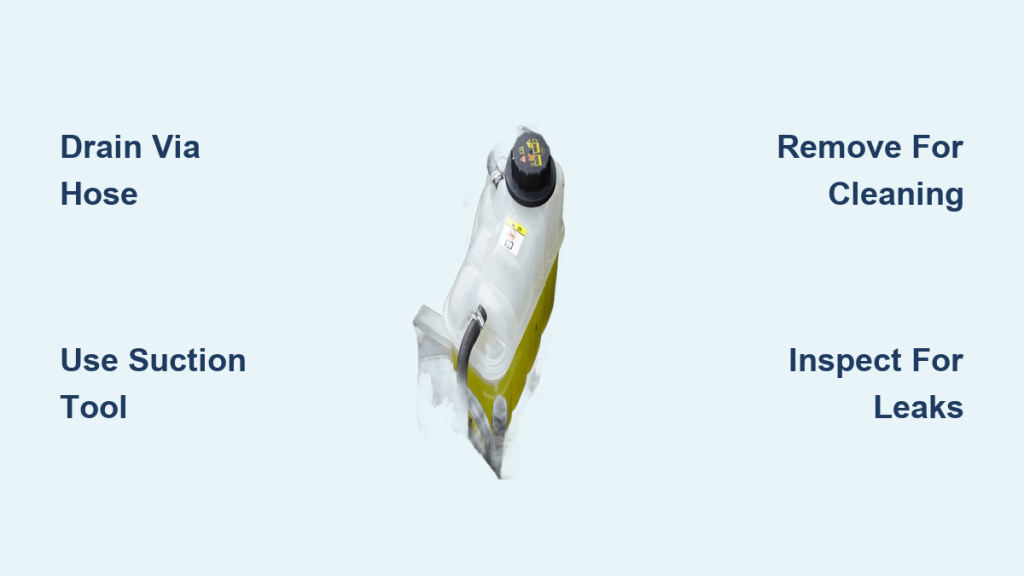
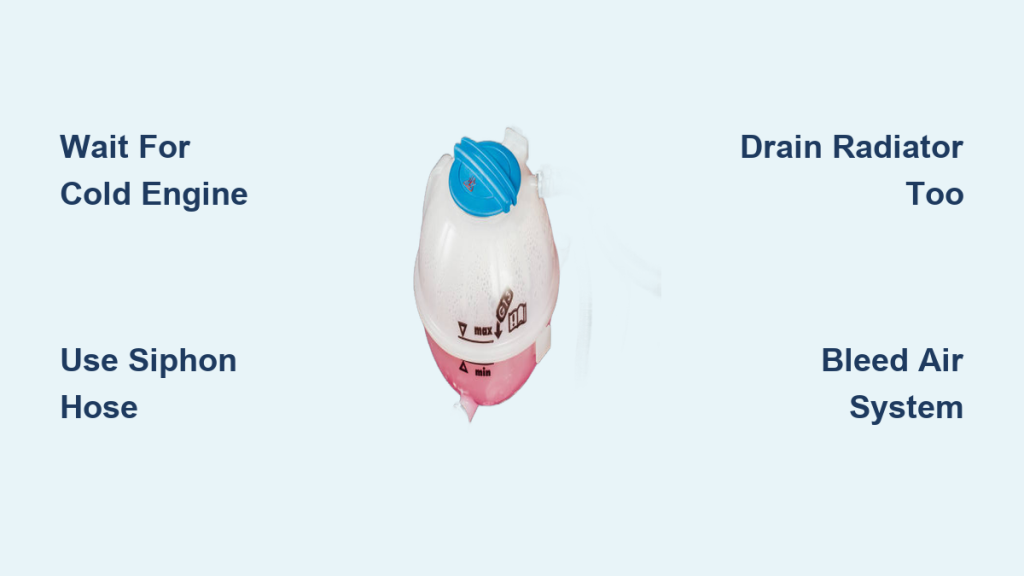
Modern vehicles use pressurized cooling systems that maintain pressure to raise the boiling point and prevent evaporation. These systems should show zero measurable loss. If the level drops, there is a problem, even if no leak is visible.
Non-pressurized or open overflow systems, often found in older models and certain brands like Subaru, have vented reservoirs that allow slow vapor release. Up to 8 ounces or 1 cup per year is considered normal evaporation for these systems. Anything beyond that indicates a fault.
Acceptable Loss by Timeframe
Here is what you can expect based on system type and maintenance history:
- Every 1 to 2 years: No top-off needed in well-maintained vehicles
- Once per year: Acceptable only in non-pressurized systems
- Monthly or more frequent: Not normal and requires immediate inspection
- After coolant service: A slight drop may occur due to air purging, but levels should stabilize within a few drive cycles
What Coolant Loss Rate Means for Your Engine
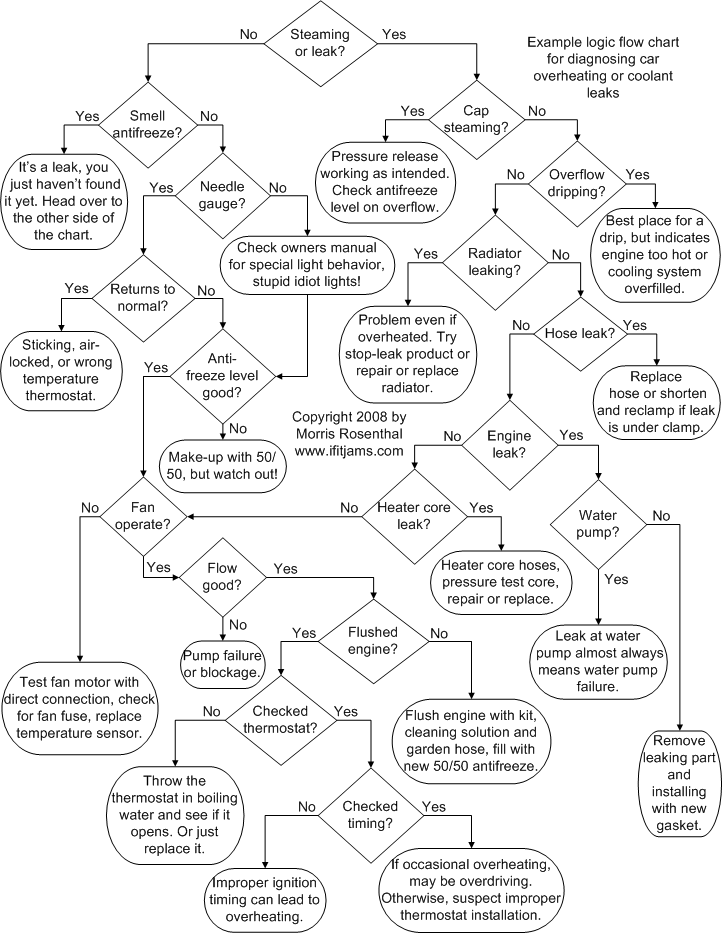
The speed at which coolant disappears directly correlates to the severity of the underlying issue. Understanding these benchmarks helps you decide whether to schedule a repair or stop driving immediately.
Loss Rate Thresholds
Use these numbers to gauge how urgent your situation is:
- Less than 8 ounces per year in an open system: Likely normal evaporation
- More than 8 ounces per year in any system: Inspect for leaks
- More than 1 quart per month: Immediate diagnosis required
- Any measurable drop in a pressurized system: Investigate now
- Weekly top-offs: Stop driving and have the vehicle towed
Why Rate Matters
A slow leak might only mean a worn hose or loose clamp, problems that are inconvenient but not immediately dangerous. Rapid loss, on the other hand, often signals serious internal failures like a blown head gasket or cracked engine block. The faster coolant disappears, the more urgent the repair need becomes.
Common Causes of Coolant Disappearing
When coolant vanishes without leaving a puddle under your car, do not assume it is simply evaporation. Several culprits could be responsible, and some require immediate attention.
Internal Failures
Blown Head Gasket
A failed head gasket allows combustion gases into the cooling system or coolant into the cylinders. This is one of the most serious causes of coolant loss.
Watch for these symptoms:
- White smoke from exhaust that persists after the engine warms up
- Sweet smell from the tailpipe
- Bubbles in the radiator when the engine is running
- Milky residue on the oil dipstick or under the oil cap
- Overheating with no external leak visible
Some engines, like the Subaru FB25, are particularly prone to head gasket issues even without a major overheating event in their history.
Cracked Engine Block or Cylinder Head
Severe overheating or freeze damage can cause cracks that allow coolant into combustion chambers or oil passages. The symptoms are identical to head gasket failure, but the repair is typically much more expensive, often requiring engine replacement or major rebuild.
External Leaks You Might Miss
Even small leaks can drain coolant over time without leaving obvious puddles. Common leak points include the radiator with cracks in plastic tanks, the water pump with weep hole leakage leaving white crust, hoses and clamps that have become brittle, the thermostat housing gasket, and heater core lines hidden under the dashboard.
To find hidden leaks, try parking overnight on clean cardboard and looking for colored spots in the morning. Alternatively, use a UV dye test by adding fluorescent dye to the coolant and scanning with UV light. A pressure test using a hand pump can also identify seepage that is not visible to the naked eye.
Coolant Burning in the Engine
When coolant enters the combustion chamber, it burns and exits as steam. This creates persistent white exhaust smoke, fouled spark plugs that appear wet or corroded, and a drop in coolant level with no trace found anywhere else. The sweet smell from the tailpipe is a telltale sign.
Do not confuse normal cold-start condensation, which creates a brief white puff, with continuous white smoke. The latter indicates coolant is burning inside the engine.
System Design Matters: Is Your Car Leaky by Design?

Your vehicle’s cooling system type determines how much coolant loss is acceptable. Not all systems are created equal, and understanding your setup prevents unnecessary worry.
Sealed Pressurized Systems
Modern Jeeps, GM trucks like the Yukon with 6.2L engine, and many VW models use sealed pressurized systems. These should demonstrate zero loss over years of operation. Any drop in coolant level warrants investigation.
The most common cause of pressure loss is a bad radiator cap. Other culprits include micro-leaks in plastic components, internal leaks from head gaskets or block cracks, and improper bleeding after a coolant service that mimics actual loss.
Open Atmospheric Overflow Systems
Many Subarus, older Fords, and some Chryslers use open systems with vented reservoirs. These allow water vapor to escape, which means up to 1 cup of coolant loss per year is considered normal.
One Ford Focus owner reported that coolant loss stopped completely after replacing an old surge tank cap. This simple, low-cost solution demonstrates how even minor component degradation can accelerate what would otherwise be normal evaporation.
Warning Signs That Indicate Serious Problems
Beyond the loss rate itself, certain symptoms demand immediate attention regardless of how quickly coolant is disappearing.
Danger Signs to Watch For
White smoke from the exhaust that persists after warming up is a major red flag. Milky engine oil or a chocolate-milk appearance on the dipstick indicates coolant is mixing with oil, which destroys lubrication and can seize the engine. Bubbling in the coolant reservoir while the engine runs suggests combustion gases are entering the cooling system.
Overheating gauge fluctuations, a sweet smell inside the cabin indicating heater core leakage, and damp passenger floor mats are all urgent warning signs. If you notice any of these symptoms alongside coolant loss, stop driving immediately to prevent catastrophic engine damage.
How to Test for Coolant Leaks

Do not guess about the cause. Follow this diagnostic path to identify the exact problem before spending money on unnecessary repairs.
Step 1: Cold Engine Visual Inspection
Wait until the engine is completely cool before进行检查. Look for wetness or stains around the radiator, hoses, and water pump. Check for crusty residue on the thermostat housing and dried coolant near the radiator cap. Examine the passenger side carpet for dampness indicating a heater core leak. Inspect the oil cap and dipstick for milky residue.
Step 2: Pressure Test the System
Use a hand-operated cooling system pressure tester available at most auto parts stores, often for free rental.
Attach the tester to the radiator or reservoir neck and pump to 15 to 18 psi, checking your cap rating for the exact specification. Hold this pressure for 10 to 15 minutes while watching for pressure drop or visible leaks. If pressure holds, you likely do not have an external leak. If pressure drops, a leak or bad cap is present. Bubbling in the reservoir indicates possible head gasket failure.
Step 3: Perform a Block Test
This test detects combustion gases in coolant, confirming head gasket or crack failure. Fill the radiator with coolant, attach the block tester with its chemical fluid, and run the engine at idle. If the fluid changes color, typically from green to yellow, combustion gas is present. A positive test confirms an internal leak. A negative test rules out the head gasket and directs focus toward external sources or evaporation.
Step 4: Test the Radiator Cap
A weak cap is a silent coolant killer that often goes unnoticed. Many auto shops test caps for free, or you can purchase a cap pressure checker for 20 to 30 dollars. Standard ratings range from 13 to 18 psi depending on your vehicle. Replace radiator caps every 3 to 5 years as cheap insurance against pressure-related coolant loss.
Step 5: Monitor Over Time
Track the actual loss rate by marking the reservoir level with tape when the engine is cold. Recheck after 1,000 miles or one month and calculate the volume lost. For example, a 1-inch drop in a 1-gallon system equals roughly 10 ounces. If this happens monthly, you are losing about 120 ounces per year, far beyond normal.
When Coolant Loss Is an Emergency
Some situations require immediate action rather than diagnostic patience. Know the difference to protect your engine.
Stop Driving Immediately If
You need to add coolant more than once per week. You see white smoke continuously after the engine warms up. The temperature gauge spikes into the red zone. You notice milky oil or the engine starts running rough. These symptoms indicate severe internal damage that will worsen with continued driving, potentially destroying the engine entirely.
When to Schedule Repair
Monthly top-offs without other symptoms can wait for a scheduled appointment. Coolant loss of more than 8 ounces per year but less than 1 quart per month warrants a shop visit within a week or two. Any drop in a pressurized system that should not lose coolant at all should prompt a same-day inspection.
Preventing Coolant Loss Through Maintenance
Prevention beats repair every time. Follow these steps to keep coolant where it belongs inside your engine.
Routine Maintenance Checklist
Check coolant level monthly, always when the engine is cold for consistency. Use the correct coolant type specified for your vehicle, whether Dex-Cool, G48, Zerex G-05, or another formulation. Maintain a 50/50 mix of coolant and distilled water for optimal performance and protection.
Replace the radiator cap every 3 to 5 years. Inspect hoses annually for bulges, cracks, and softness. Look for white or colored crust around fittings, which indicates seepage.
After Coolant Service: Bleed Air Properly
Air pockets displace coolant and can mimic loss on your reservoir. Run the engine to operating temperature with the heater on maximum. If safe, run with the radiator cap off when cold to burp trapped air. Let the engine cool completely, then recheck and top off as needed. Repeat this process after 2 to 3 drive cycles to ensure the system is properly settled.
Some vehicles like BMWs and Subarus have dedicated bleed screws. Use them according to your service manual to remove trapped air that could cause false low readings.
Upgrade Where Possible
Consider replacing plastic reservoirs with metal or reinforced versions for greater durability. Use OEM or high-temperature hoses rather than budget alternatives. Install a quality radiator cap from trusted brands like Stant or Gates.
Final Thoughts on Coolant Loss Rates
Coolant should not run out quickly. Minimal loss up to 8 ounces per year may be normal in non-pressurized open systems due to evaporation, but any measurable loss in sealed pressurized systems is a warning sign that demands investigation. Rapid depletion, especially when accompanied by white smoke, milky oil, or overheating, means internal engine damage is likely and could become catastrophic if ignored.
Use pressure tests, block tests, and visual inspections to diagnose the cause early. Track your loss rate over time and compare it against what is normal for your system type. Address small issues now to avoid expensive engine repairs later. If you are uncertain about the cause of coolant loss or the loss rate seems abnormal, consult a professional mechanic before the problem worsens.
Frequently Asked Questions About Coolant Loss
How much coolant loss per year is normal?
In non-pressurized open systems, up to 8 ounces or 1 cup per year is considered normal evaporation. In pressurized sealed systems, there should be zero measurable loss. Any drop in a pressurized system warrants investigation.
Why is my coolant disappearing with no visible leak?
Coolant can disappear internally through a blown head gasket, cracked engine block, or cracked cylinder head. It may also burn in the combustion chamber and exit as steam. A pressure test and block test can diagnose internal leaks that leave no external evidence.
Is it okay to drive with low coolant?
Driving with low coolant is risky because it can lead to overheating and engine damage. If the level is low enough to trigger warning lights or cause temperature gauge spikes, stop driving immediately. Minor top-offs between scheduled services are acceptable while you arrange a proper inspection.
How do I know if my head gasket is blown?
Symptoms include white smoke from the exhaust, sweet smell, milky oil or residue on the dipstick, bubbles in the radiator, and overheating. A block test can confirm combustion gases in the coolant, which definitively indicates head gasket failure.
Can a bad radiator cap cause coolant loss?
Yes. A faulty radiator cap that fails to maintain pressure lowers the coolant’s boiling point, causing it to evaporate faster. This is one of the most common causes of coolant loss in pressurized systems and is often overlooked. Replace caps every 3 to 5 years as preventive maintenance.
Does coolant loss mean I need a new engine?
Not necessarily. Many causes of coolant loss, such as a bad radiator cap, external hose leaks, or even a head gasket, can be repaired without engine replacement. However, a cracked engine block typically requires an engine rebuild or replacement. The key is accurate diagnosis before assuming the worst.