
A small coolant leak can quickly spiral into a massive repair bill if you ignore it. Whether you spot a colorful puddle under your car or notice your AC blowing warm air during a heat wave, the cost to fix a coolant leak ranges from just $10 for a simple cap replacement to over $3,000 for major component failures. The final price depends on whether you’re dealing with a vehicle or home AC system, where the leak is located, and whether you tackle it yourself or hire a professional. This guide breaks down every cost factor so you know exactly what to expect.
Automotive vs HVAC Coolant Leak Costs
Coolant leaks happen in two very different systems, and understanding which one you’re facing is the first step to getting an accurate repair estimate.
Automotive Cooling System Leaks
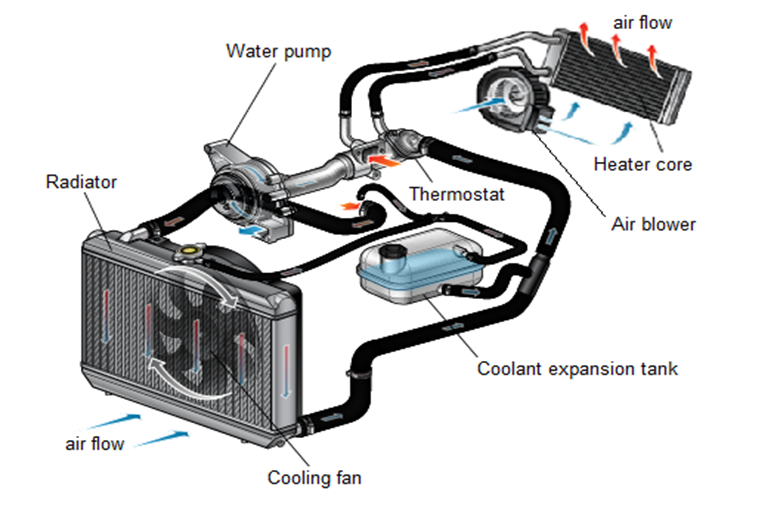
Your car’s engine uses liquid antifreeze to regulate temperature. This coolant circulates through the radiator, water pump, hoses, and engine block. Common failure points include hoses, the radiator, water pump, thermostat housing, and head gasket. A leak here can cause overheating, engine damage, and costly repairs if left untreated.
HVAC Refrigerant System Leaks
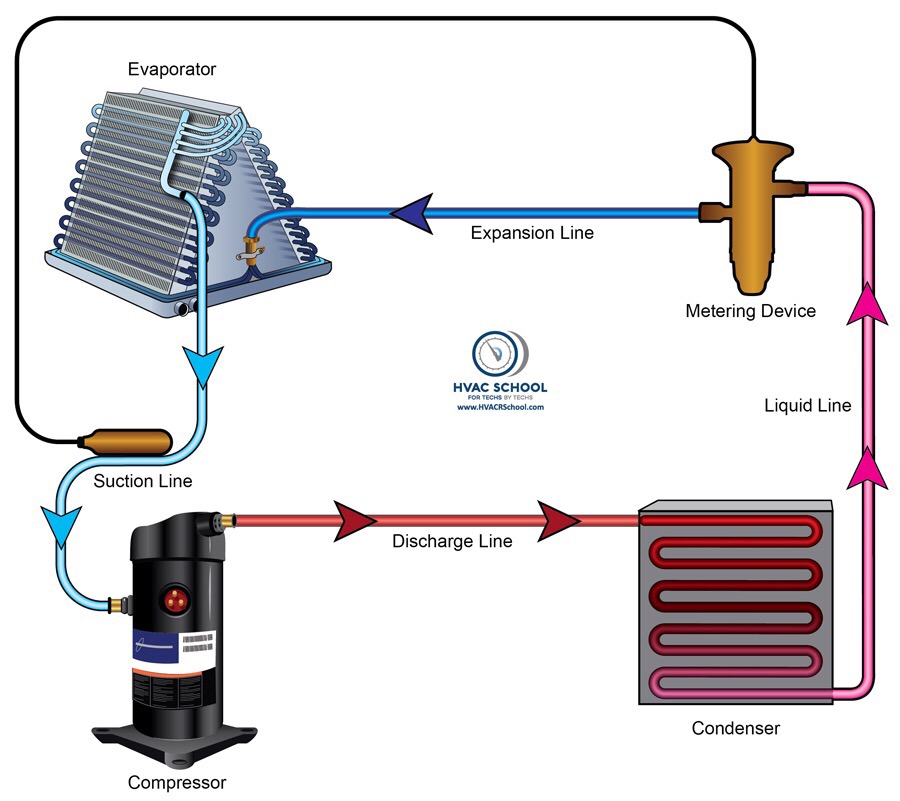
Your home air conditioner uses pressurized refrigerant gas to cool indoor air. Leaks in this system reduce cooling efficiency and drive up energy bills. The most common leak sites are the evaporator coil, condenser coil, and refrigerant lines. Unlike automotive repairs, HVAC work legally requires EPA-certified technicians due to the hazardous nature of refrigerants.
Minor Automotive Coolant Leak Repairs
Small, accessible leaks are the most affordable to fix, with most repairs falling between $10 and $200.
Radiator Cap and Reservoir Replacement
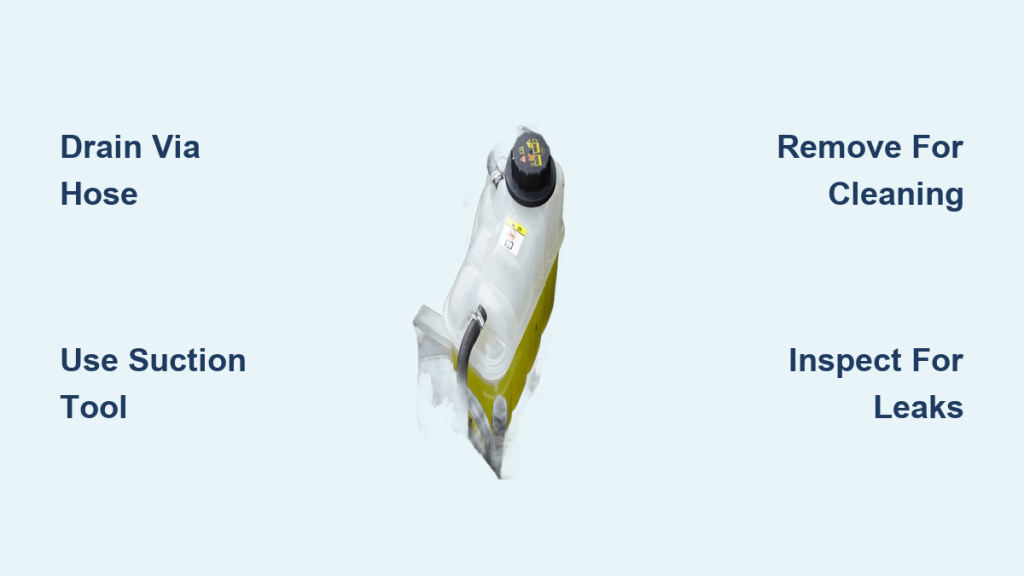
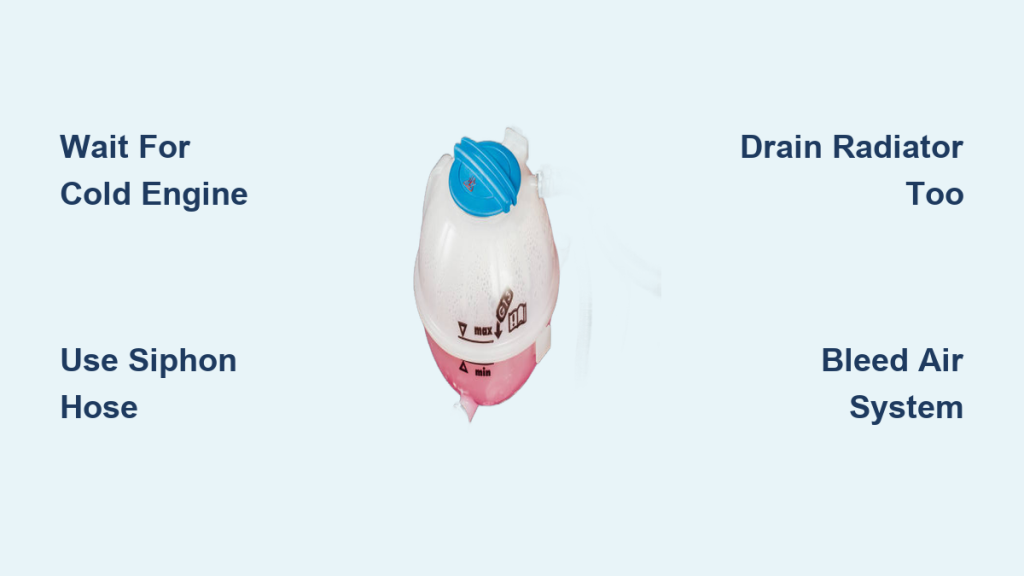
A worn radiator cap cannot maintain proper pressure, causing coolant to escape. Replacement costs $10 to $34 and takes about 10 minutes for most DIYers. The coolant reservoir tank can also crack over time, especially in older vehicles like certain Ford Taurus and Honda models. Reservoir replacement runs $50 to $150 including parts and labor.
Coolant Hose Replacement
Upper, lower, and heater hoses degrade with age and heat exposure. Replacement costs $50 to $200 depending on the hose location and your vehicle make. Always replace the hose clamps when doing this repair, as reusing old clamps can cause another leak.
Pro Tip: Replace hoses in pairs if they’re showing age. One failing hose usually means others are close behind.
Moderate Automotive Coolant Leak Repairs
These repairs require more labor and specialized tools, pushing costs into the $150 to $1,000 range.
Radiator and Water Pump Replacement
Radiator replacement costs $150 to $1,000, depending on whether you choose an OEM or aftermarket unit. Aluminum cores corrode over time, and plastic tanks crack from heat stress. Water pump replacement runs $300 to $750 and is labor-intensive, especially on engines where it’s tied to the timing belt. A failing water pump may not drip visibly, so check for coolant residue near the weep hole.
Thermostat Housing Repair
A leaking thermostat housing often mimics a coolant leak. The repair costs $100 to $300 and typically requires replacing both the housing and the thermostat itself. This is a common misdiagnosis that wastes money when owners assume the leak is something simpler.
Warning: Never reuse old coolant. Always flush the system properly after any major repair.
Major Automotive Coolant Leak Repairs
The most expensive repairs can exceed $2,500 and require extensive engine work.
Head Gasket and Heater Core Replacement
Head gasket replacement costs $1,500 to $2,500 or more, making it the most expensive coolant leak repair. This job requires complete engine disassembly and often includes cylinder head resurfacing at $100 to $200 per head. The heater core, located inside the dashboard, costs $500 to $1,000 to replace due to the intensive labor involved.
Temporary DIY Solutions
For tiny cracks, stop-leak additives like Bar’s Leaks or K-Seal can buy you time. These products cost $10 to $50 and work best on micro-cracks in radiators or engine blocks. They won’t fix large leaks or structural damage, and they can clog narrow passages if sludge is present. Use these only as a temporary solution.
Expert Note: Stop-leak products are not a substitute for proper repair. They’re a band-aid, not a fix.
HVAC Coolant Leak Costs
Home AC coolant leaks are pricier on average, with the national average repair cost sitting around $1,075.
Leak Detection Methods
Finding the leak is half the battle. Bubble tests cost $15 to $25, UV dye detection runs $35 to $275, and electronic detection can cost $150 to $1,200. Technicians often use multiple methods for elusive leaks.
Component Repair Costs
Evaporator coil replacement costs $350 to $1,000, making it the most common HVAC leak repair. Condenser coil work runs $850 to $1,100, and compressor replacement costs $700 to $1,200. The compressor often fails after running low on refrigerant, so simply recharging without fixing the leak destroys the new compressor.
Refrigerant Recharge Costs
Modern R-410A refrigerant costs $50 to $75 per pound, while the phased-out R-22 runs $100 to $150 per pound. Most systems need 5 to 15 pounds, bringing recharge costs to $100 to $600 total.
Hard Truth: R-22 is banned for new production. If your system uses it, replacement may be more cost-effective than repeated recharges.
Factors That Drive Repair Costs Higher
Several factors can turn a simple fix into a major expense.
Labor Rates and Location
Automotive mechanics charge $80 to $150 per hour, with urban areas sometimes exceeding $200. HVAC technicians charge $75 to $150 per hour. Complex access situations like attic units or dashboard work add significant time to the job.
System Age and Secondary Damage
Cars over 10 years old are harder to source parts for and have more wear. AC units over 10 to 15 years old often aren’t worth repairing. Ignoring a leak leads to secondary damage: engine warping, mold growth from HVAC moisture, and flooring or drywall damage that adds hundreds or thousands to your bill.
How to Diagnose a Coolant Leak
Accurate diagnosis prevents wasted money on wrong repairs.
Automotive Leak Detection
Look for colored puddles, white exhaust smoke, or a sweet smell. A cooling system pressure test costs $50 to $150 and exposes hidden leaks. UV dye testing adds fluorescent dye that glows under UV light. A block test checks for combustion gases in the coolant, confirming head gasket failure.
HVAC Leak Signs
Watch for rooms taking longer to cool, ice on copper lines, hissing sounds, rising energy bills, or musty smells from mold growth.
Never skip diagnosis. A $275 average repair can balloon to $2,500 if you guess wrong.
When to DIY vs Hire a Professional
Automotive: DIY-Friendly for Minor Repairs
You can save up to 70% on small jobs. Safe DIY repairs include radiator cap, hose, and reservoir replacement. Tools needed are basic wrenches, a drain pan, and a funnel. Remember that ethylene glycol is toxic, so keep it away from pets and children.
HVAC: Always Professional Required
The EPA requires certification to handle refrigerants. There is no legal way for homeowners to recharge or repair HVAC systems. DIY risks include toxic exposure, electrical hazards, and voiding your warranty.
Preventative Maintenance to Save Money
Routine care prevents expensive failures.
Automotive Maintenance
Check coolant monthly when the engine is cold. Flush coolant every 30,000 to 100,000 miles. Replace hoses and caps every 5 to 7 years. Annual professional inspections catch problems early. Estimated annual cost is $100 to $200, far less than a $2,500 head gasket repair.
HVAC Maintenance
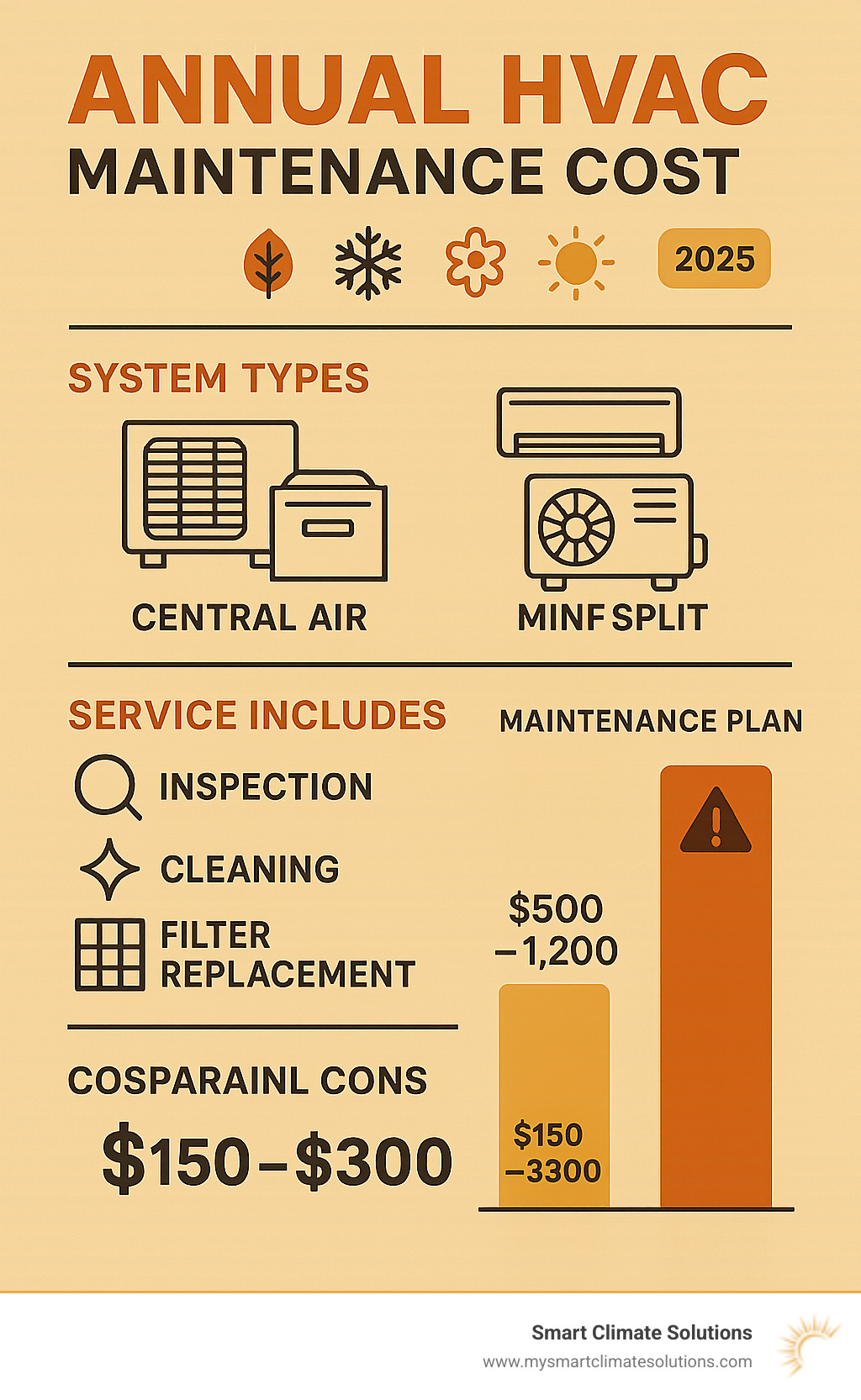
Replace air filters monthly. Schedule annual tune-ups for $75 to $200. Professional inspections catch leaks before they cause secondary damage.
When Repair Costs More Than Replacement
Don’t throw money at a dying system.
Vehicle Replacement Guidelines
Replace your car’s cooling system if repair costs exceed 50% of the vehicle’s value. A $2,000 head gasket fix on a $3,000 car doesn’t make sense.
AC Replacement Guidelines
Replace your AC if it’s over 10 to 15 years old, uses R-22 refrigerant, or repair costs exceed 50% of replacement value. New R-410A systems save 20% to 40% on energy bills.
Frequently Asked Questions About Coolant Leak Costs
How much does it cost to fix a small coolant leak in a car?
A small automotive coolant leak like a radiator cap or hose replacement costs $10 to $200. These are the most common and least expensive repairs.
Can I drive my car with a coolant leak?
Driving with a known coolant leak risks engine overheating and catastrophic damage. Only drive short distances if absolutely necessary while monitoring the temperature gauge constantly.
Why are HVAC coolant leak repairs so expensive?
HVAC repairs cost more because they require EPA-certified technicians, specialized detection equipment, and expensive refrigerant. Component costs like evaporator coils and compressors are also high.
How do I know if I need a head gasket repair or a simpler fix?
Symptoms like white exhaust smoke, milky oil, or overheating that persists after simpler repairs often indicate head gasket failure. A block test by a professional can confirm this.
Is it worth fixing an old car with a coolant leak?
If the repair cost exceeds 50% of your car’s value, replacement is more economical. Consider the car’s overall condition, your budget, and how long you plan to keep it.
What happens if I ignore a coolant leak?
Ignoring a coolant leak leads to engine overheating, warped cylinder heads, cracked engine blocks, or complete engine failure. For HVAC, ignoring leaks causes mold growth, compressor failure, and dramatically higher energy bills.
Key Takeaways for Fixing Coolant Leaks
The cost to fix a coolant leak starts as low as $10 but can exceed $3,000 depending on the system and severity. Automotive leaks range from $10 for a cap to $2,500 for head gasket repair, while HVAC repairs average $1,075 with totals reaching $3,000 for major component work. Early detection and accurate diagnosis are your best defenses against runaway costs. Always get multiple quotes, verify certifications, and consider whether repair or replacement makes more financial sense for your situation. Regular maintenance like monthly coolant checks and annual AC tune-ups costs a fraction of major repairs and prevents leaks from forming in the first place.