You have probably heard the term “radiator” when your car overheats or your home heating kicks in during winter. But what’s a radiator, really? It is not just a metal box under your hood or a hissing panel on your wall. It is a critical heat management system that keeps engines running and homes warm. At its core, a radiator is a heat exchanger designed to move thermal energy from a hot fluid to the surrounding air.
Despite the name, most heat transfer happens through convection, not radiation. Whether in your car, home, or even a spacecraft, radiators play a silent but vital role in temperature control. In vehicles, a failing radiator can lead to engine meltdown in minutes. In homes, a blocked unit means freezing rooms. This guide breaks down everything from basic function to failure signs, maintenance tips, and surprising applications.
Core Function of a Radiator
Transfers Heat Without Moving Parts
A radiator works by allowing hot liquid, usually a mix of water and antifreeze, to flow through a series of thin metal tubes. These tubes are surrounded by delicate fins that increase surface area. As air passes over them, heat transfers from the fluid into the air, cooling the liquid before it cycles back to its source. There is no external power or moving parts inside the radiator itself. Instead, it relies on natural or forced airflow and the laws of thermodynamics to do its job.
This process is essential for maintaining safe operating temperatures. In engines, excess heat can warp metal, seize pistons, or crack cylinder heads. In buildings, inadequate heat distribution leaves spaces cold. The radiator acts as a thermal regulator, balancing heat production with dissipation.
Radiator vs. Convector: Know the Difference

Though often used interchangeably, radiator and convector are not the same. A true radiator emits heat directly from exposed hot surfaces, using both radiation and convection. A convector, however, encloses the heat source and uses natural air currents to warm a room. Convectors rely almost entirely on convection. Cold air enters at the bottom, heats up as it rises past the internal element, and exits warm at the top. Modern home “radiators” are often technically convectors, but the original term stuck.
Despite the name, thermal radiation accounts for less than 30% of heat output in most systems. Convection dominates, especially when airflow is strong. True radiant heaters, like infrared panels, emit heat you can feel directly, similar to sunlight. Traditional radiators, by contrast, primarily warm the air around them.
Automotive Radiators: Engine Cooling Explained

Cools Hot Engine Coolant
In cars, the radiator’s main job is to cool engine coolant after it absorbs heat from the motor. Internal combustion engines generate extreme heat, reaching up to 2,000°F in the combustion chamber. Even after energy conversion, coolant temperatures reach over 200°F (93°C). Without cooling, this would destroy engine components in minutes.
The radiator receives this superheated fluid via the upper hose. It flows down through the core, releasing heat to the air. Once cooled, it returns through the lower hose to absorb more heat. This closed-loop cycle runs continuously while the engine operates.
How the Cooling Cycle Works
- Engine heats coolant: As the engine runs, coolant circulates through passages in the block and head, absorbing heat.
- Thermostat opens: Once coolant hits roughly 180 to 195°F, the thermostat opens, allowing flow to the radiator.
- Coolant enters radiator: Hot fluid enters the inlet tank and spreads into the core tubes.
- Heat dissipates: Air moves through fins, carrying heat away from the metal.
- Cooled fluid returns: Lower-temperature coolant exits via the outlet tank and returns to the engine.
This process keeps engine temperature stable, maximizing efficiency and minimizing wear on internal parts.
Key Radiator Components

The Core: Heart of Heat Exchange
The radiator core is where most cooling happens. It consists of multiple rows of thin aluminum or copper tubes bonded to closely spaced fins. Coolant flows through the tubes while air moves across the fins. The large surface area allows rapid heat transfer. More rows mean greater capacity but also increased airflow resistance, which must be balanced with fan performance.
Older radiators used copper fins and brass tubes for superior thermal conductivity. Modern units use aluminum because it is lighter, cheaper, and resists corrosion better when paired with proper coolant.
Inlet and Outlet Tanks
These plastic or metal reservoirs sit on the sides or top and bottom of the core. The inlet tank receives hot coolant from the engine and distributes it evenly into the core. The outlet tank collects cooled fluid and sends it back. In crossflow radiators, tanks sit on the sides. In downflow types, they sit on the top and bottom, which is common in older vehicles.
Any crack or leak in these tanks disrupts flow and can cause overheating.
Radiator Cap: Maintains System Pressure
The pressure cap seals the system and raises the coolant’s boiling point. At sea level, water boils at 212°F. But under 15 psi of pressure, it can reach 265°F before boiling. This prevents vapor lock and coolant loss during high-heat operation.
The cap has two valves:
– Pressure relief valve: Opens to send excess coolant to the overflow tank when pressure gets too high.
– Vacuum valve: Allows coolant to return as the system cools and pressure drops.
A faulty cap can cause overheating or coolant loss, even if the radiator itself is intact.
Cooling Methods in Vehicles
Ram Air: Free Cooling at Speed
When a car moves, air naturally flows through the front grille and into the radiator. This “ram air” provides free, efficient cooling at highway speeds. The faster the vehicle goes, the more air passes through, up to a point. Engineers design grilles and ducts to maximize this effect without increasing drag.
At idle or low speeds, ram air is not enough. That is where fans come in.
Radiator Fan: Boosts Airflow When Needed
The radiator fan pulls air through the core when the car is not moving fast enough. Older vehicles used mechanical fans driven by the engine via a belt and clutch. Modern cars use electric fans controlled by a thermostat or engine computer.
These fans turn on automatically when coolant temperature exceeds a set threshold. They may run briefly after engine shutdown to prevent heat soak, especially in turbocharged engines.
Why Fins Matter
The thin metal fins attached to the tubes multiply the surface area exposed to air. Without fins, heat transfer would be slow and inefficient. Even minor damage, like bent or clogged fins from debris, can reduce cooling by up to 30%. Gently straightening fins with a plastic comb can restore performance.
Never use metal tools on fins. They can puncture tubes and cause leaks.
Coolant: The Fluid That Carries Heat

Mix of Water and Antifreeze
Coolant is not just water. It is a 50/50 blend of water and ethylene glycol (antifreeze). This mix:
– Prevents freezing in winter
– Raises boiling point in summer
– Inhibits rust and corrosion
– Lubricates the water pump
Using plain water risks freezing, which can crack the engine block, or boiling, which leads to overheating. Never top off with water unless it is an emergency.
Types of Coolant
Not all coolants are interchangeable. Common types include:
– IAT (Inorganic Acid Technology): Green, older formula, needs replacement every 2 years.
– OAT (Organic Acid Technology): Orange or red, long-life, lasts up to 5 years.
– HOAT (Hybrid OAT): Yellow or turquoise, used in many modern vehicles.
Always follow your manufacturer’s recommendation. Mixing types can cause gel formation and clog the system.
Signs Your Radiator Is Failing
Engine Overheating
The most obvious sign is the temperature gauge climbing into the red zone or a warning light illuminating. If this happens, pull over immediately. Continuing to drive can destroy the engine in minutes.
Overheating is not always the radiator’s fault, but it is often involved. Check for coolant leaks, fan operation, and blockages.
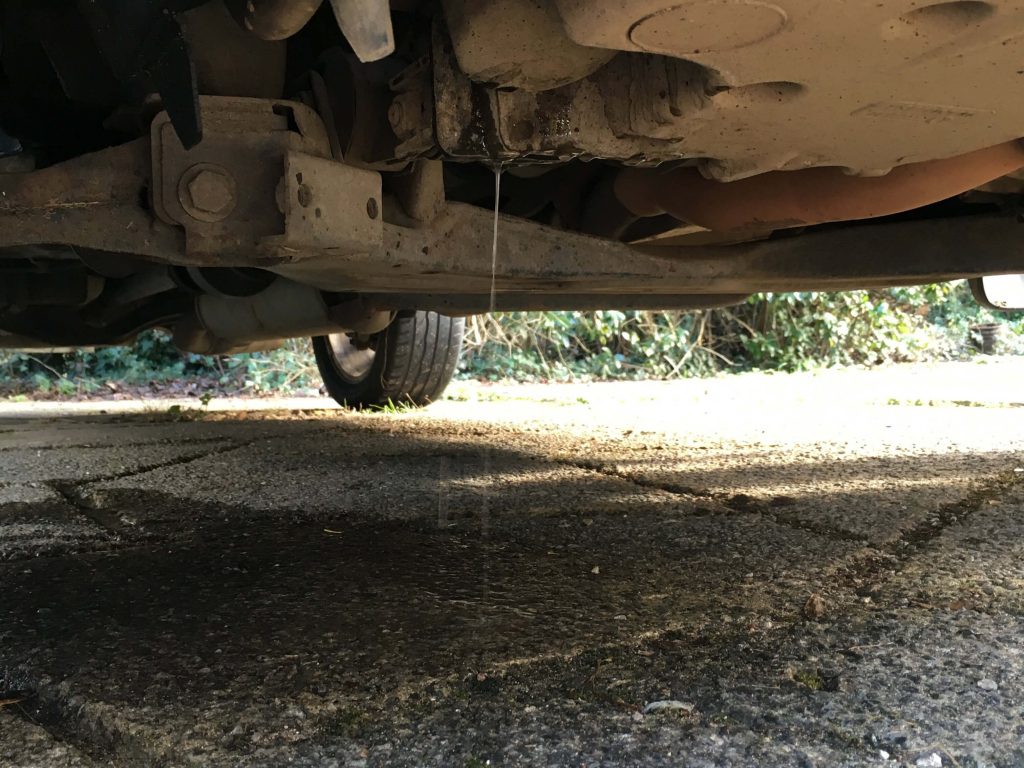
Coolant Leaks
Puddles of green, orange, or pink fluid under your car? That is likely coolant leaking from the radiator, hoses, or connections. Even slow seeps will eventually cause low levels and overheating.
Inspect the radiator for damp spots, crusty deposits, or bulges in hoses. Replace any cracked or swollen components.
Discolored Coolant or Sludge
Healthy coolant is bright and clear. If it looks rusty, muddy, or has sludge, internal corrosion is occurring. This can clog the radiator core, reducing flow and efficiency.
Flushing the system may help, but if the radiator is badly corroded, replacement is the safer option.
Maintenance Tips to Extend Radiator Life
Flush Coolant Every 2 to 3 Years
Over time, coolant breaks down and loses its protective properties. Flushing every 25,000 to 30,000 miles removes rust, scale, and old fluid. Refill with fresh, properly mixed coolant.
Skipping flushes leads to sediment buildup, reduced cooling, and premature water pump failure.
Replace Hoses Proactively
Radiator hoses are made of rubber and degrade over time. They should be replaced every 3 years or 36,000 miles, even if they look fine. Swollen, cracked, or soft hoses are ticking time bombs.
Never remove the radiator cap on a hot engine. Wait until the system is cool, then open slowly with a thick cloth to avoid steam burns.
Keep the Core Clean
Dirt, bugs, and leaves can block airflow through the fins. Wash the radiator face regularly, especially after off-road driving or long highway trips. Use a garden hose. Never use a pressure washer, which can bend fins.
Radiators Beyond Cars
Heats Homes via Central Systems
In many homes, especially in Europe, radiators are part of a hydronic heating system. A boiler heats water, which is pumped through pipes to radiators in each room. As hot water flows through, it releases heat into the air.
These units warm rooms gradually and evenly, with no blowing dust or noise. Some modern versions include thermostatic valves for room-by-room control.
Cools Computers and Electronics
In computers, heat sinks act as tiny radiators. Made of aluminum or copper, they draw heat from CPUs and GPUs. Fans blow air over the fins to carry heat away.
High-performance systems use liquid cooling, where a pump circulates coolant to a radiator mounted on the case. This is far more efficient than air alone.
Manages Heat in Spacecraft
In space, there is no air for convection. So spacecraft radiators work entirely by thermal radiation. They emit excess heat as infrared light. The large white panels on the International Space Station are radiators, rejecting heat from life support, electronics, and crew.
These systems must be highly efficient and durable, operating in extreme temperature swings between sunlight and shadow.
When to Repair vs. Replace a Radiator
Can You Fix a Leaking Radiator?
Small leaks in tanks or seams can sometimes be sealed with radiator stop-leak products or repaired by a specialist. However, these are temporary fixes. For aluminum radiators, TIG welding can patch holes, but only if the surrounding metal is not corroded.
Core damage from clogs or widespread corrosion usually means replacement is necessary.
Cost of Ignoring Problems
Driving with a failing radiator risks catastrophic engine damage. A seized engine can cost thousands to repair or replace. It is far cheaper to fix or replace a radiator early.
If your car overheats repeatedly, have the entire cooling system inspected, including the thermostat, water pump, and fan.
Frequently Asked Questions About Radiators
What’s a radiator in simple terms?
A radiator is a heat exchanger that moves thermal energy from a hot fluid to the surrounding air. It cools engines in cars and warms rooms in homes. Despite its name, most heat transfer happens through convection, not radiation.
How often should I flush my radiator coolant?
You should flush your coolant every 25,000 to 30,000 miles, or every 2 to 3 years. This removes rust, scale, and old fluid that lose protective properties over time. Always follow your vehicle manufacturer’s specific guidelines.
What are the signs of a failing radiator?
Common signs include engine overheating, coolant leaks under the car, discolored or sludgy coolant, and steam coming from under the hood. Low coolant levels requiring frequent top-ups also suggest a problem. Catching these early prevents catastrophic engine damage.
Can I drive with a leaking radiator?
You should not drive with a leaking radiator. Even small leaks lead to low coolant levels and overheating. Continuing to drive can warp engine components or cause complete engine seizure. Address leaks immediately or have the vehicle towed.
What’s the difference between a radiator and a convector?
A radiator has exposed hot surfaces that emit heat through both radiation and convection. A convector encloses its heat source and warms air through natural convection currents. Many modern home heating units called “radiators” are technically convectors.
How do spacecraft radiators work without air?
Spacecraft radiators work entirely through thermal radiation, emitting excess heat as infrared light. Since space has no air for convection, these systems rely on large surface areas and reflective coatings to radiate heat away efficiently.
Key Takeaways for Understanding What a Radiator Does
So, what’s a radiator? It is a heat exchanger that keeps engines cool, homes warm, and electronics safe. Whether it is a car’s aluminum core with electric fans or a steel panel in your living room, its purpose stays the same: manage heat effectively. By understanding how it works, recognizing failure signs early, and following maintenance schedules, you can avoid breakdowns and extend the life of your vehicle or heating system.
From ancient Roman hypocausts to the International Space Station, radiators have evolved dramatically, but their core mission remains unchanged. Control temperature, one degree at a time. Check your coolant levels this month and schedule a cooling system inspection if your vehicle is overdue. Staying proactive saves money and prevents roadside emergencies.