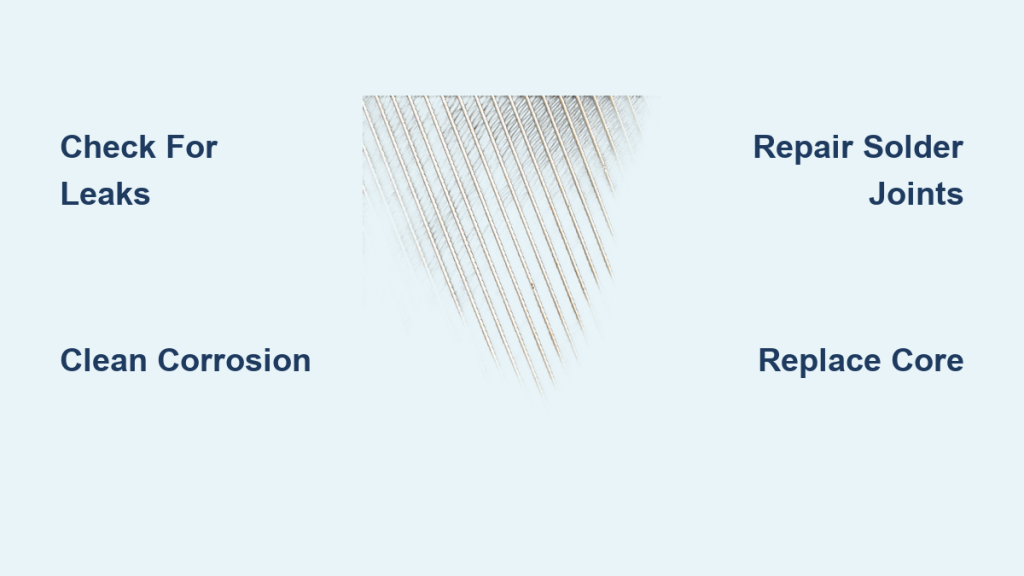
Honeycomb radiator repair is a niche skill that keeps classic vehicles running. These intricate cooling units, standard from the early 1900s through the 1930s, feature tightly packed hexagonal, square, or V-shaped cells that deliver excellent heat dissipation. After decades of thermal cycling, corrosion, and improper maintenance, they often fail. Finding reliable honeycomb radiator repair options can feel impossible. Skilled artisans are rare, original tooling has vanished, and many modern shops refuse the work due to high risk.
This guide covers everything you need to know about honeycomb radiator repair. You will learn failure causes, proven repair techniques from epoxy plugging to professional re-coring, top specialists worldwide, and how to maintain your core for longevity. Whether you drive a pre-war Buick, a WWI aircraft replica, or a Model T, this information helps you fix leaks without destroying the radiator.
Diagnose Common Failure Modes in Honeycomb Radiators
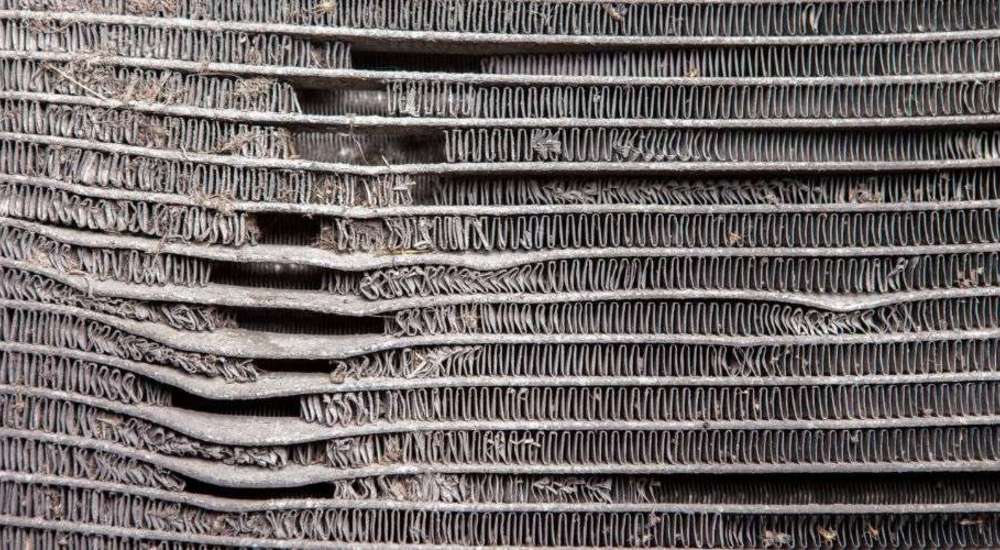
Honeycomb radiators fail silently at first. A slow leak or minor blockage can escalate into overheating, engine damage, or total core collapse if ignored. Recognizing the root cause is essential before attempting any honeycomb radiator repair.
Internal Corrosion From Poor Coolant
Using plain water or incorrect antifreeze accelerates rust and scale buildup inside the narrow passages. Rust flakes clog cells, reducing coolant flow and heat transfer. Over time, acidic byproducts eat through solder joints and thin brass walls.
Warning Signs:
• Brown or orange coolant
• Reduced cooling performance over time
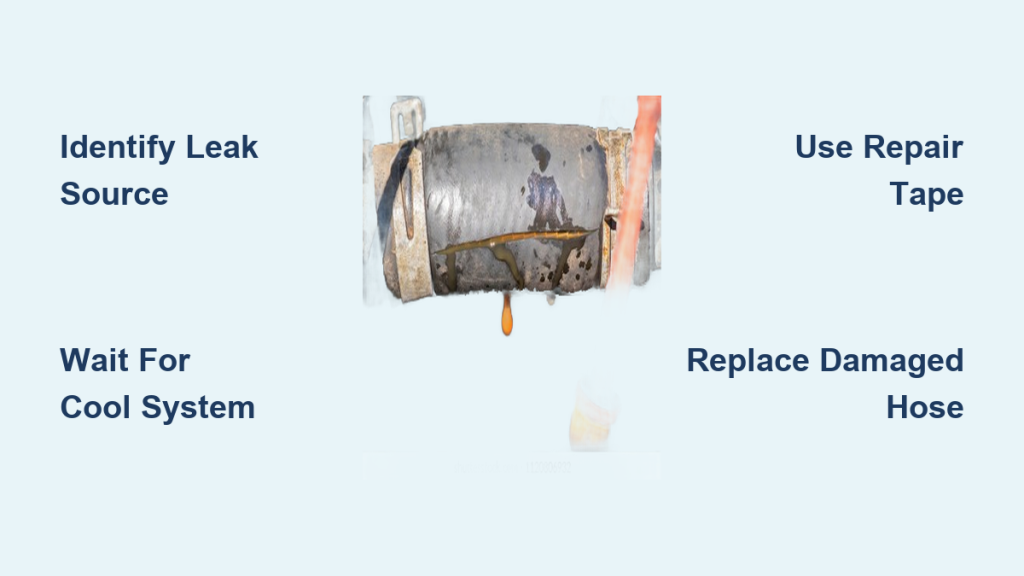
• Pinhole leaks near tank joints
Prevention Tip: Use a 50/50 mix of ethylene glycol with corrosion inhibitors. Never use stop-leak products, as they permanently plug delicate honeycomb channels.
Brass Embrittlement Due to Age
Even low-mileage vintage radiators suffer from material fatigue. Repeated heating and cooling cycles over 80 to 100 years make brass brittle. The core may look intact but fail under slight pressure or during soldering.
Risk Factor: Radiators over 90 years old are prone to cracking when handled or heated. This is not wear. It is inevitable aging.