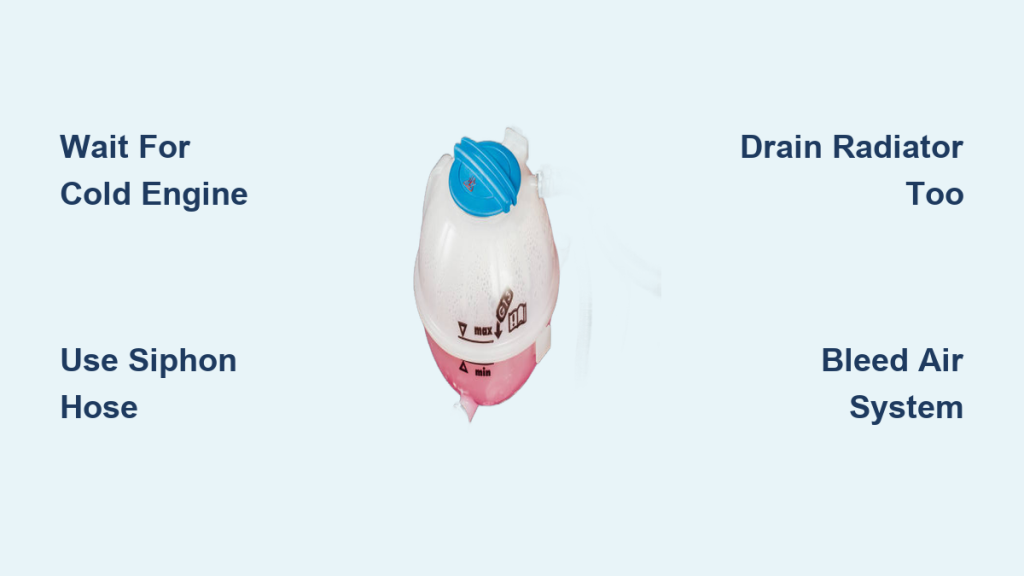
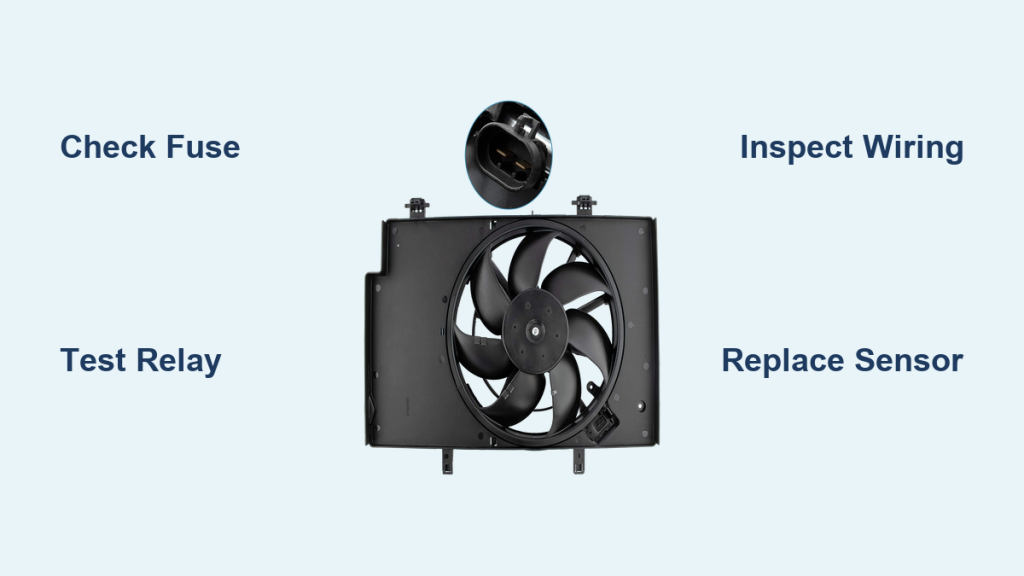
A Ford Fiesta radiator fan not working is one of the most common cooling system complaints among owners, especially during summer traffic or long idle periods. Without the fan pulling air through the radiator, your engine can overheat quickly, leading to warped cylinder heads, blown head gaskets, or even complete engine failure. The most frequent culprits include a blown fuse, faulty relay, bad coolant temperature sensor, damaged wiring, or a failed fan motor.
This guide walks you through a step-by-step diagnostic process to pinpoint the exact cause and apply the right fix. You will learn how to test each component safely, recognize the warning signs of each failure type, and avoid costly misdiagnoses that lead to unnecessary parts replacement.
Common Causes of a Ford Fiesta Radiator Fan Not Working
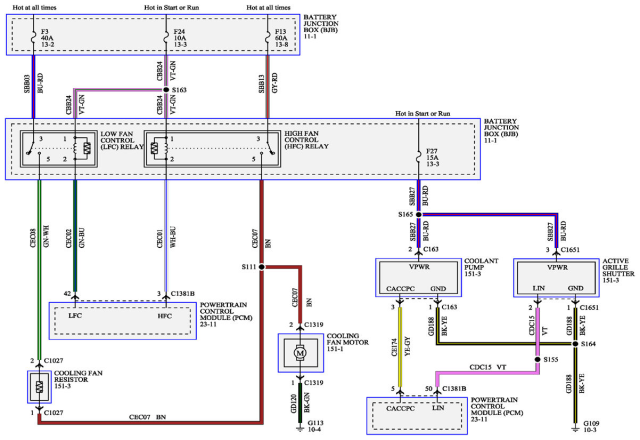
Understanding the most likely failure points helps you diagnose faster and spend less on repairs. Industry data and mechanic experience show three main component groups account for most Ford Fiesta radiator fan problems.
Fan Motor or Fan Clutch Failure
A faulty fan motor or a worn fan clutch accounts for roughly 34 percent of radiator fan failures in Ford Fiesta models. When the motor burns out or the clutch fails to engage, the fan cannot spin fast enough to cool the radiator at low speeds or idle.
Fan Relay or Blown Fuse
A bad relay or a blown fuse causes about 28 percent of non-working radiator fan cases. These electrical components control power delivery to the fan motor, and when they fail, the fan receives no electricity at all.
Coolant Temperature Sensor or Fan Control Module
A faulty temperature sensor or fan control module is responsible for roughly 23 percent of failures. These parts tell the engine computer when to activate the fan, and incorrect readings prevent the fan from turning on at the right time.
Start by Checking the Radiator Fan Fuse
The fuse is the easiest and cheapest component to test, so always start your diagnosis here.
Locate the Correct Fuse
The radiator fan fuse lives in the engine bay fuse box, also called the power distribution center. Check your owner’s manual or the diagram on the fuse box cover for a slot labeled “Radiator Fan,” “Cooling Fan,” or “FAN.”
Inspect the Fuse Condition
Pull the fuse using the small plastic puller tool stored in the fuse box. Hold it up to the light and look at the metal strip inside.
- A blown fuse shows a broken, melted, or blackened metal strip.
- Test with a multimeter in continuity mode for confirmation. No beep means the fuse is bad.
Replace with the Correct Amperage
Always install a replacement fuse with the exact same amperage rating printed on top of the old fuse. Using a higher-rated fuse can cause wiring damage or fire.
Test the Fan Relay and Fan Control Module
If the fuse is good, the next step is testing the relay or fan control module that switches power to the fan.
Identify the Relay Location
The fan relay sits in the same engine bay fuse box as the fan fuse. Look for a cube-shaped component labeled “FAN,” “RADIATOR,” or “COOLING.” Some Fiesta models use a fan control module instead of a simple relay, especially 2011 and newer vehicles.
Perform a Swap Test
Swap the fan relay with an identical relay from a non-critical system, such as the horn relay. Turn the ignition to ON, switch on the AC, and listen for the fan. If the fan now runs, the original relay was defective.
Listen for the Click
With the engine running and AC turned on, place your ear near the fuse box. A healthy relay produces an audible click when activating. Silence indicates either a bad relay or a missing control signal from the engine computer.
Inspect the Wiring Harness and Connectors
Wiring damage can interrupt power to the fan even when all other components test fine.
Examine the Fan Harness
Trace the wiring from the fan motor back to the fuse box. Look for melted insulation, rodent chew marks, or pinched wires near hot exhaust components.
Check the Fan Connector
Unplug the electrical connector at the fan assembly and inspect the pins for corrosion, bending, or looseness. Clean any green or white corrosion with electrical contact cleaner and reseat the connector firmly.
Test for Power and Ground
Use a test light or multimeter to verify power delivery at the fan connector.
- Turn the ignition ON and switch the AC to ON to force fan activation.
- Back-probe the fan connector wires.
- One wire should read 12 volts, and another should read ground at 0 volts.
- No power means the problem lies upstream in the relay, fuse, or control circuit.
- No ground means you need to inspect the chassis ground point near the radiator or battery.
Diagnose the Coolant Temperature Sensor
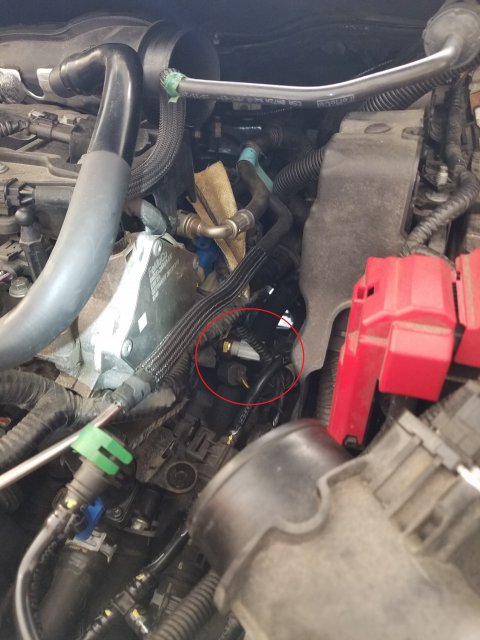
A failing coolant temperature sensor is a frequent cause of a Ford Fiesta radiator fan not working properly.
How the Sensor Controls the Fan
The engine coolant temperature sensor sends temperature data to the engine computer. When the sensor reads incorrectly, the computer never receives the signal needed to activate the fan, even when the engine runs hot.
Test the Sensor with a Scan Tool
Connect an OBD2 scan tool and watch the live coolant temperature reading while the engine warms up.
- A healthy sensor shows a steady rise from ambient temperature to between 195 and 220 degrees Fahrenheit.
- A stuck reading, sudden jump, or incorrect temperature indicates a faulty sensor.
Check for Stored Trouble Codes
Run a code scan even if the check engine light is off. Codes P0115 through P0119 point to ECT circuit problems that often explain fan activation issues.
Replace the Sensor if Needed
The sensor mounts on the engine block or thermostat housing with a single bolt or retaining clip. Drain a small amount of coolant before removal, install a new O-ring, and torque the sensor to specification.
Test the Radiator Fan Motor Directly
When fuses, relays, wiring, and sensors all check out, the fan motor itself becomes the prime suspect.
Apply Direct 12-Volt Power
Disconnect the fan electrical connector and use jumper wires to power the motor directly from the battery.
- Connect the fan positive wire to the battery positive terminal.
- Connect the fan ground wire to the battery negative terminal.
- Observe the fan response.
Interpret the Results
- The fan spins normally, meaning the motor is good and the problem lies in the control circuit.
- The fan does not spin at all, meaning the motor is dead and requires replacement.
- The fan spins slowly or makes grinding noises, meaning the bearings are worn and replacement is needed soon.
Check the Thermostat for Hidden Cooling Issues
A stuck thermostat can mimic a fan failure by preventing coolant from reaching the temperature sensor.
Symptoms of a Stuck Closed Thermostat
- The engine overheats quickly, even on short drives.
- The upper radiator hose stays cool while the engine temperature gauge climbs.
- The fan never activates because the sensor reads cold coolant.
Test the Thermostat
Start a cold engine and feel the upper radiator hose. It should stay cool for several minutes, then suddenly get hot when the thermostat opens near 195 degrees Fahrenheit. A hose that never warms up confirms a stuck closed thermostat.
Replace if Necessary
Thermostat replacement on a Ford Fiesta averages between $233 and $342 nationally. Always bleed air from the cooling system after installing a new thermostat to prevent air pockets.
Why the Fan Works Only When the AC Is On

This symptom provides a critical diagnostic clue about which component has failed.
What This Symptom Reveals
If the radiator fan runs with the AC on but never runs when the engine gets hot, the fan motor, fuse, and ground are likely fine. The problem lies in the temperature sensing or relay control circuit.
Why the AC Activates the Fan
The air conditioning system requires condenser cooling, so the engine computer forces the fan on whenever the AC compressor runs. This bypasses the normal temperature-based activation circuit.
Where to Focus Your Diagnosis
Start by testing the coolant temperature sensor, since it is the most common cause of this specific symptom. If the sensor tests fine, move on to the fan relay and finally the engine computer.
Common Mistakes to Avoid During Diagnosis
Replacing the Fan Assembly Too Early
Many owners spend $79 to $116 on a new radiator fan assembly without first testing the fuse, relay, and sensor. Always complete the full diagnostic sequence before buying parts.
Ignoring Electrical Connections
Loose or corroded connectors can mimic component failure. Clean every connector with electrical contact cleaner before deciding a part is bad.
Using Cheap Replacement Sensors
Stick with quality brands like Motorcraft, Denso, or Bosch for temperature sensors and relays. Cheap aftermarket parts often fail within months and create repeat repair bills.
Forgetting to Clear Trouble Codes
After completing repairs, clear stored trouble codes with an OBD2 scanner. The engine computer may need to relearn normal operating parameters before the fan cycles correctly.
Repair Costs for Ford Fiesta Radiator Fan Issues

Knowing the typical cost of each repair helps you budget and avoid overpaying at the shop.
Engine Coolant Temperature Sensor Replacement
Replacing a faulty ECT sensor costs between $61 and $90 nationally. This repair often fixes fan activation problems without touching the fan itself.
Radiator Fan Assembly Replacement
A new radiator fan assembly costs between $79 and $116 nationally. This repair becomes necessary when the fan motor fails the direct 12-volt test.
Thermostat Replacement
Thermostat replacement runs between $233 and $342 nationally. While expensive, this repair prevents overheating that could destroy the engine.
Serpentine Belt Replacement
A worn serpentine belt can affect the cooling system on some Fiesta models. Replacement costs between $73 and $107 nationally and prevents accessory drive failures.
When to Seek Professional Help
Some Ford Fiesta radiator fan problems require advanced diagnostic tools and expertise beyond basic home repair.
Situations That Require a Mechanic
- You lack a scan tool to monitor live coolant temperature data.
- The fan runs erratically or only works intermittently.
- Multiple electrical components have failed in a short period.
- You suspect engine computer or wiring harness faults.
A qualified mechanic can perform voltage drop tests, circuit integrity checks, and PCM diagnostics that go beyond the reach of basic multimeters and scan tools.
Prevent Future Radiator Fan Problems
Routine Maintenance Steps
- Inspect the fan fuse and relay during every oil change.
- Clean debris, bugs, and leaves from the radiator fins regularly.
- Test fan operation every few months by letting the engine idle until warm.
- Replace engine coolant on schedule to prevent sensor corrosion.
Smart Upgrade Options
- Install an aftermarket fan timer relay to keep the fan running briefly after engine shutdown.
- Add an aftermarket coolant temperature gauge for real-time monitoring and early warning.
Frequently Asked Questions About Ford Fiesta Radiator Fan Problems
Why is my Ford Fiesta radiator fan not working but the AC fan runs?
This usually points to a faulty coolant temperature sensor or a bad fan relay. The AC forces the fan on independently of engine temperature, so a working AC fan proves the motor itself is fine. Test the temperature sensor first, then the relay.
Can I drive my Ford Fiesta with a broken radiator fan?
Driving with a non-working radiator fan is risky and should be avoided. The engine can overheat rapidly in stop-and-go traffic or at idle, causing head gasket damage or engine seizure. If you must drive, turn the heat to maximum to draw heat away from the engine and head directly to a repair shop.
How much does it cost to fix a Ford Fiesta radiator fan?
Repair costs depend on the failed component. Replacing a coolant temperature sensor costs $61 to $90, while a new radiator fan assembly runs $79 to $116. Thermostat replacement averages $233 to $342. Starting with the cheapest components, like the fuse and sensor, keeps repair bills low.
Where is the radiator fan fuse located on a Ford Fiesta?
The radiator fan fuse sits in the engine bay fuse box, also called the power distribution center. Check the diagram on the fuse box cover or your owner’s manual for the exact slot labeled “Radiator Fan,” “Cooling Fan,” or “FAN.”
What causes the radiator fan to stop working suddenly?
Sudden fan failure usually traces to a blown fuse, tripped relay, or electrical short. Wiring damage from rodents or heat exposure can also cause sudden failure. Inspect the fuse first, then check for visible wiring damage near the fan assembly.
Does a bad thermostat stop the radiator fan from working?
A stuck closed thermostat does not stop the fan directly, but it prevents hot coolant from reaching the temperature sensor. The sensor reads cold, so the engine computer never activates the fan, even though the engine overheats.
Key Takeaways for Fixing a Ford Fiesta Radiator Fan Not Working
A Ford Fiesta radiator fan not working is a serious issue that demands prompt attention to prevent engine damage. Start your diagnosis with the cheapest and simplest components, including the fuse, relay, and wiring, before moving to the temperature sensor and fan motor. Most repairs cost under $120 when caught early, and following the structured diagnostic sequence in this guide saves time and eliminates guesswork.
Your next step is to grab a multimeter and OBD2 scan tool, then begin testing from the fuse box outward. If you identify a failed component, replace it with a quality OEM or trusted aftermarket part, clear any stored trouble codes, and verify the fan cycles properly before returning to regular driving.