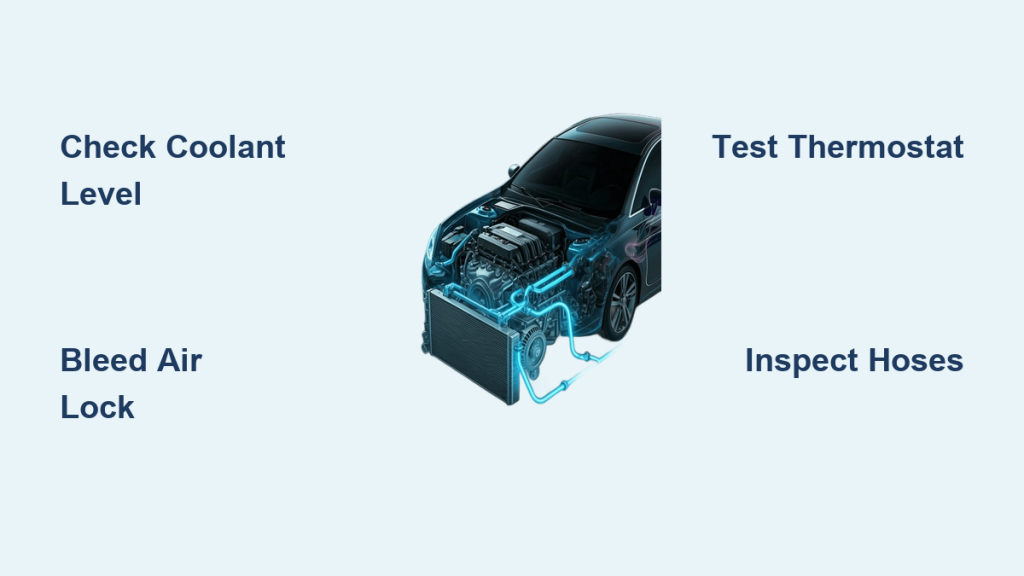
If your car coolant is not circulating, your engine is at risk of overheating. Without proper flow, heat builds up in the engine block, leading to warped cylinder heads, blown head gaskets, or complete engine failure. Even after replacing parts like the thermostat, circulation problems can persist due to hidden issues like air locks, pump failure, or blockages. This guide shows you how to diagnose and fix poor coolant circulation step by step.
You will learn how to confirm if coolant is actually moving, identify the most common root causes, and apply targeted fixes whether you drive an older Mercedes or a modern Mini with an electric pump. No fluff, no guesswork. Just clear, actionable steps to restore flow and protect your engine.
Why Coolant Circulation Matters
Coolant circulation is the heart of your engine cooling system. The water pump forces coolant through the engine block, where it absorbs heat, then through the radiator where it releases that heat into the air. This continuous loop keeps your engine at operating temperature and prevents catastrophic overheating.
When circulation stops or slows significantly, heat cannot escape efficiently. The temperature gauge climbs, steam may appear from the engine bay, and you risk damaging expensive components. Understanding the causes helps you troubleshoot faster and avoid costly repairs.
Failed Water Pump Signs
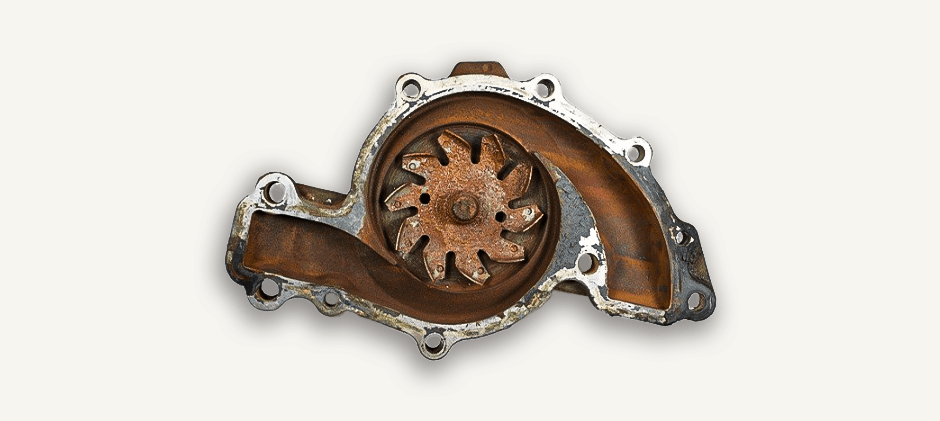
The water pump drives coolant through the entire engine system. If it fails, circulation stops completely, even when the belt appears to spin the pulley normally.
Impeller Damage or Slippage
A plastic or aluminum impeller can corrode, crack, or detach from the shaft. The pump may look fine externally, but internally, no coolant moves at all.
• Coolant leaks at the weep hole indicate internal seal failure
• Whining or grinding noise from the front of the engine suggests bearing or impeller problems
• Test by removing the radiator cap when cold and watching for flow as the engine warms. No movement means suspect the pump.
Electric Pump Failure on Modern Cars
Many newer vehicles use electric water pumps controlled by the ECU. These pumps do not run constantly. They activate only when the engine reaches certain temperature thresholds.
• Misdiagnosis is common because the pump seems dead but is actually waiting for a temperature signal
• Use a scan tool to check pump duty cycle and coolant temperature sensor data
• Common faults include failed motor, broken wiring, or bad control module
Air Locks Blocking Flow
Trapped air prevents coolant from circulating, especially after any system service like thermostat or hose replacement.
Why Air Locks Form
Air enters the cooling system through improper refill procedures, leaks that suck in air as the engine cools, or gets trapped at high points like the heater core or cylinder head.
• Engine overheats quickly, then cools down intermittently
• Heater blows cold air despite a hot engine
• Coolant level drops after driving, then returns when the engine cools
How to Bleed Air Properly
Park on a slight incline with the front end elevated. Remove the radiator cap if accessible, or open the bleed valve. Run the engine with the heater on maximum and the fan on high. Squeeze the upper radiator hose repeatedly to dislodge bubbles. Add coolant as needed until flow stabilizes. Let the engine cool and recheck the level.
Radiator or Engine Blockages
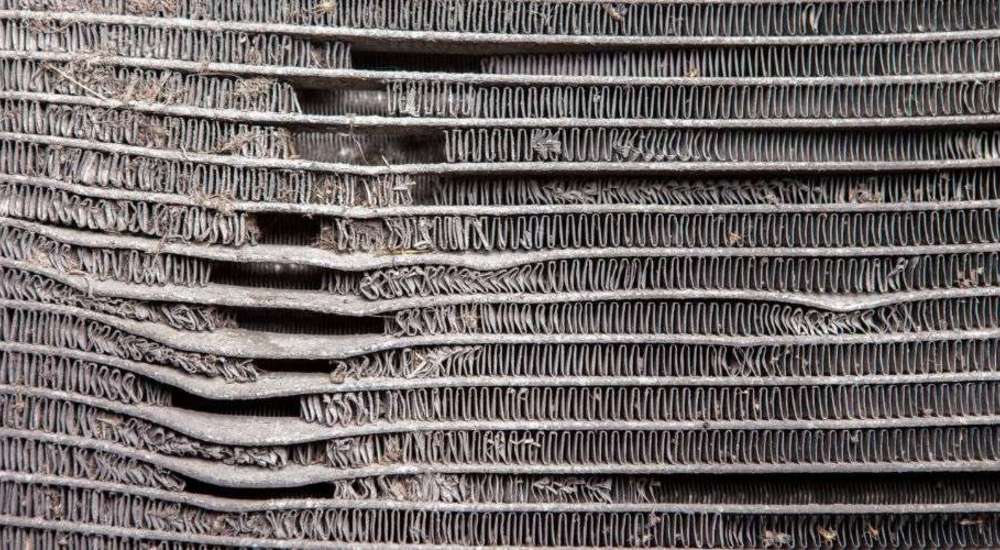
Sludge, rust, or gel buildup can block coolant flow even with a brand new thermostat installed.
Where Internal Clogs Hide
• Radiator tubes become restricted, reducing cooling efficiency
• Heater core blockages cause no heat and restrict overall circulation
• Engine coolant jackets clog, especially in aluminum blocks prone to corrosion
Causes of Coolant Buildup
Old coolant loses its corrosion inhibitors over time. Mixing incompatible coolants like OAT with IAT creates sludge. Using tap water instead of distilled water introduces minerals that cause scaling.
Flush or Replace
Try a reverse flush with water first. If there is no improvement, remove the radiator and inspect the flow directly. For engine block clogs, consider a chemical flush or professional cleaning.
Collapsed Radiator Hoses
A soft or aged lower radiator hose can collapse under suction, blocking the return flow to the radiator.
Why Lower Hoses Collapse
The reinforcement spring inside the hose can break or be missing. Age weakens the rubber, making it prone to collapsing. This is more common in older vehicles like early Golf models and older Mercedes vehicles.
How to Test
Run the engine to operating temperature. Carefully feel the lower radiator hose. If it feels flat or pulses abnormally, it is collapsing internally. Replace with a reinforced hose that includes an internal spring, especially on the suction side.
Thermostat Issues Even After Replacement
Replacing the thermostat does not guarantee success. Installation errors are surprisingly common and often overlooked.
Common Thermostat Mistakes
• Installed upside down with the spring facing the wrong direction
• Wrong temperature rating for your vehicle
• Blocked bleed hole prevents air from escaping
How to Test Thermostat Operation
Mark the thermostat position before removal to note the orientation. Test in hot water. It should start opening at its rated temperature. Alternatively, use an infrared gun to measure housing temperature as the engine warms. A temperature rise indicates opening. No change means it is stuck closed.
Low Coolant Level Effects
No coolant means no circulation. Even small leaks disrupt the entire system flow.
Why Low Coolant Stops Flow
The water pump cavitates when it spins air instead of liquid. Air pockets form, breaking the siphon effect. The heater core runs dry, reducing flow feedback to the system.
Find Hidden Leaks
Check hoses, water pump, radiator, and heater core connections for external leaks. Look for white exhaust smoke indicating coolant burning internally or milky oil indicating head gasket failure. Check the overflow hose for cracks if the reservoir level drops without visible leakage.
Drive Belt Problems
No belt movement means no water pump movement on mechanically driven systems.
Belt-Driven Pump Failures
A serpentine belt that is glazed, loose, or broken will not spin the water pump. On timing belt vehicles, a broken belt stops both engine operation and coolant flow.
Quick Inspection Steps
Open the hood with the engine off. Check belt tension. It should have about half to one inch of deflection. Look for cracks, fraying, or glazing. Confirm pulley alignment is correct.
How to Test Coolant Circulation
Do not guess. Verify actual flow using these reliable methods.
Visual Flow Test with Radiator Cap Off
Only perform this on systems with an accessible radiator cap. Remove the cap when the engine is cold. Start the engine and let it warm up. Watch the coolant in the radiator. No flow until about 80°C is normal because the thermostat is closed. Swirling after warm-up indicates good circulation. No movement even when hot means blockage, air lock, or failed pump.
Hose Temperature Check
Run the engine to normal temperature. Carefully feel both the upper and lower radiator hoses. Both hot indicates likely good flow. Upper hot but lower cold means the thermostat is not opening or there is a blockage. Both cold means no circulation or the engine has not warmed.
Infrared Temp Gun Test
Measure the upper radiator inlet. It should be hot at about 85 to 100°C. Measure the lower radiator outlet. It should be slightly cooler at about 70 to 85°C. A temperature difference of 10 to 15°C means heat exchange is happening and flow is good. Minimal difference indicates poor circulation or an air lock.
Modern Car Cooling System Checks
Newer vehicles require different diagnostic approaches than older cars.
Electric Pump Diagnostics
Electric pumps have no belt and no pulley. They run on ECU command. Check with a scan tool for coolant pump duty cycle or status. Confirm engine coolant temperature rises normally in live data. Watch for diagnostic trouble codes like P0128 or P2181.
Testing Without a Radiator Cap
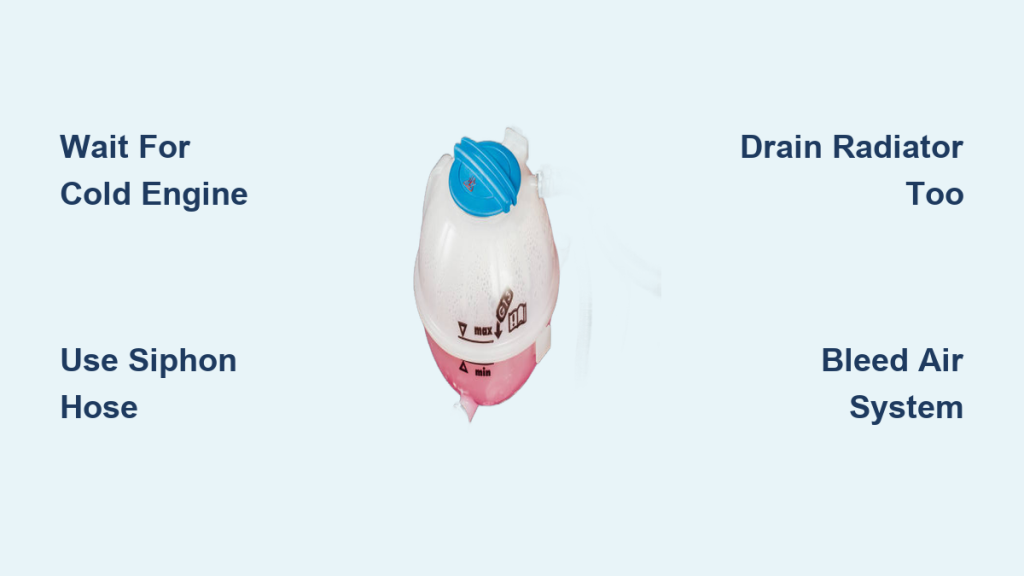
Many modern cars only have an expansion tank. Observe the reservoir during warm-up. Coolant should rise as it expands. During cool-down, it should draw back into the radiator. No movement could indicate a clogged hose, bad cap, or air lock.
Prevent Coolant Circulation Problems
Avoid issues before they happen with regular maintenance.
Replace Coolant on Schedule
OAT coolants last up to 5 years or 160,000 km. IAT coolants need replacement every 2 years or 40,000 km. HOAT lasts 3 to 5 years depending on your vehicle. Always flush thoroughly when replacing.
Use Distilled Water Only
Tap water contains calcium and magnesium that form scale. Always mix antifreeze with distilled water, typically in a 50/50 ratio.
Inspect Hoses Every Six Months
Look for soft spots, cracks, and bulges. Replace hoses every 5 to 8 years even if they appear okay.
Bleed System After Any Work
Any time the cooling system is opened for thermostat, radiator, water pump, or hose work, bleed the system thoroughly. Skipping this causes approximately 30% of post-repair overheating problems.
Final Checklist: Is Coolant Circulating
Check these indicators to confirm proper circulation.
• Engine holds normal temperature
• Heater blows hot air
• Upper and lower radiator hoses get hot
• Coolant moves in the radiator if visible
• No warning lights or steam
If all of these are true, coolant is circulating and you are good. If any are false, start troubleshooting by checking coolant level and condition, testing the thermostat with a temperature gun, inspecting the water pump and hoses, bleeding the system completely, pressure testing for leaks, and scanning for diagnostic trouble codes on modern vehicles.
Frequently Asked Questions About Car Coolant Not Circulating
How do I know if my water pump is bad
Listen for unusual noises like grinding or whining from the front of the engine. Check for coolant leaks around the pump weep hole. Look for steam or overheating. A failed water pump often shows external clues even when the belt appears to spin the pulley normally.
Can a bad thermostat cause no coolant circulation
Yes. A thermostat stuck closed prevents coolant from flowing to the radiator entirely. Even after replacement, incorrect installation or wrong temperature ratings can cause the same problem. Always verify the thermostat opens at its rated temperature using a temp gun or hot water test.
Why does my car overheat after thermostat replacement
The most likely cause is an air lock in the system. Improper bleeding leaves trapped air that blocks circulation. Other possibilities include a faulty water pump that was not diagnosed before replacing the thermostat, or a collapsed radiator hose that was not noticed during the repair.
What happens if you drive with no coolant circulation
Driving even briefly with no coolant circulation causes rapid engine overheating. This can warp cylinder heads, blow the head gasket, or seize the engine entirely. Stop immediately if the temperature gauge climbs into the red. Continuing risks catastrophic engine damage.
How do I check coolant flow without special tools
Use the hose temperature test. Run the engine to operating temperature. Feel both radiator hoses. Both should be hot. If the upper hose is hot but the lower is cold, the thermostat is not opening or there is a blockage. Use an inexpensive infrared thermometer for more accurate readings.
Can low coolant cause poor circulation
Yes. Low coolant levels cause the water pump to cavitate, meaning it pumps air instead of liquid. This creates air pockets that break the siphon effect and reduce flow. Always maintain proper coolant levels and check for hidden leaks.
Key Takeaways for Fixing Car Coolant Not Circulating
Car coolant not circulating is a serious issue that leads to engine overheating and damage. Start troubleshooting with simple checks. Verify coolant level and condition first. Test the thermostat operation with a temperature gun. Inspect hoses for collapse or damage. Listen for water pump noises. Bleed the system thoroughly after any service work.
Use the hose temperature test and infrared thermometer to confirm actual flow. On modern cars, use a scan tool to check electric pump operation and diagnostic trouble codes. Replace coolant on schedule and use distilled water only. Inspect hoses every six months and replace every five to eight years.
If the engine does not overheat and the heater works, circulation is likely fine. Trust the symptoms, not doubts. With this guide, you can diagnose accurately and fix fast before serious damage occurs.