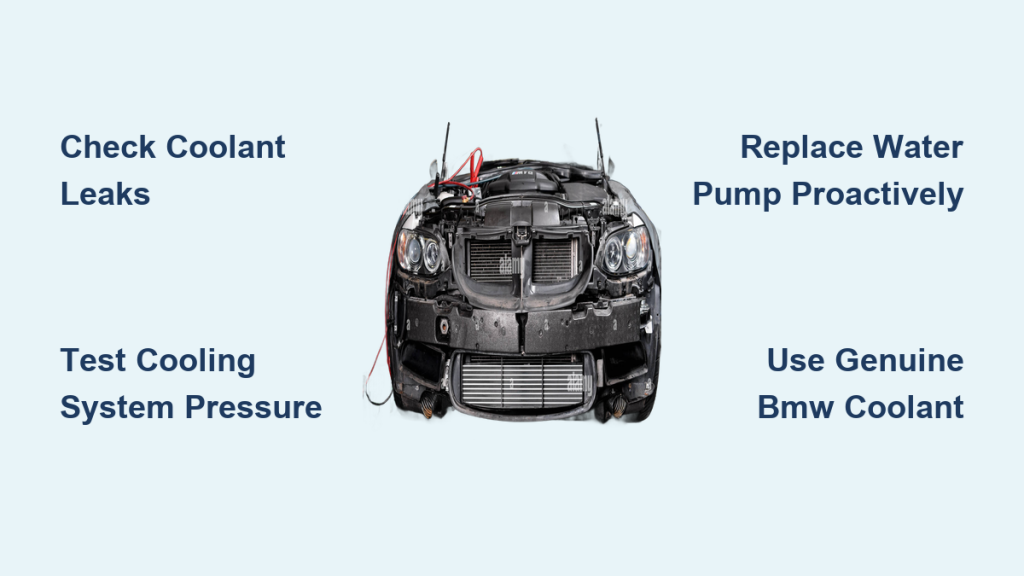
A failing BMW radiator can turn a routine drive into an engine-destroying disaster in minutes. Your BMW’s high-performance engine generates extreme heat, and the cooling system is its only defense against thermal runaway. When the radiator leaks, clogs, or fails, temperatures spike fast, warping cylinder heads and cracking engine blocks within moments. Ignoring a rising temperature gauge or a small coolant puddle can escalate a manageable repair into a multi-thousand-dollar engine replacement. This guide walks you through recognizing early warning signs, understanding professional diagnostic methods, and maintaining your cooling system to factory standards.
You’ll learn how to identify hidden failures, decide between repair and replacement, and choose a qualified shop that uses genuine BMW parts. Whether you drive a turbocharged N54 or a classic E46, these strategies protect your investment and keep your engine running cool for years to come.
Spot Early Warning Signs of BMW Radiator Failure

Recognize Overheating Symptoms on the Road
The most urgent warning is a temperature gauge climbing into the red zone. On BMW dashboards, you may also see a “Check Engine” light or a “Reduced Engine Power” message. These alerts mean your engine is exceeding safe thermal limits. Even brief overheating episodes cause cumulative damage to internal components. If you notice the temperature rising while driving, pull over immediately and shut off the engine. Continuing to drive risks warped cylinder heads, blown head gaskets, or complete engine seizure.
Find Visible Coolant Leaks Under the Vehicle
After parking, look beneath your BMW for puddles of green, pink, or orange fluid. Coolant color depends on the formulation your vehicle uses. Common leak sources include:
- Radiator core: Pinhole leaks or cracks from corrosion or road debris impact
- Hose connections: Soft, swollen, or cracked rubber hoses at the fittings
- Water pump weep hole: Small drips indicating seal failure
- Reservoir tank: Brittle plastic or cracked seams in the expansion tank
Recurring drops in coolant level without visible pooling suggest internal leaks or slow evaporation through micro-fractures. Check the coolant reservoir weekly and investigate any unexplained loss right away.
Detect Hidden Internal Cooling System Failures
Not every radiator problem shows itself externally. A clogged radiator restricts coolant flow and reduces heat dissipation even when no leaks are visible. Warning signs include:
- Engine runs hot in stop-and-go traffic but cools at highway speeds
- Heater blows lukewarm air instead of hot
- Coolant appears brown, sludgy, or contaminated
A thermostat stuck closed prevents coolant from reaching the radiator entirely. A stuck-open thermostat prevents proper engine warm-up. Both conditions mimic radiator failure and require full-system diagnosis to confirm the root cause.
Professional Diagnostic Methods BMW Shops Use
Pressure Test the Cooling System for Micro-Leaks
Technicians use a hand pump to pressurize the cooling system to BMW’s specified range, typically 1.4 to 2.0 bar. The system must hold pressure for at least 10 minutes without dropping. A pressure drop confirms a leak, whether external and visible or internal into combustion chambers or engine oil. This test catches micro-leaks that visual inspection misses.
Scan Thermal Data Logs from Onboard Sensors
BMW’s computer stores real-time temperature data from multiple sensors, including the engine block, radiator inlet, and radiator outlet. A professional shop downloads these logs to identify:
- Erratic temperature spikes during normal driving
- Discrepancies between sensor readings
- Delayed electric fan activation
This data confirms whether the radiator responds correctly or whether control modules are failing.
Test Radiator Flow Efficiency Internally
To detect internal clogs, technicians may use an infrared thermometer to compare inlet and outlet temperatures. A small temperature difference signals poor heat transfer. They may also perform a chemical flush and inspect the discharged fluid for debris. In severe cases, the radiator is removed and tested with pressurized water to measure flow rate. Restricted flow can reduce cooling capacity by up to 60 percent, even in a cosmetically intact radiator.
Evaluate Water Pump and Thermostat Function
The water pump impeller can corrode, crack, or break apart, halting circulation. Technicians check for bearing noise, coolant seepage at the weep hole, and impeller spin resistance. The thermostat is removed and submerged in heated water to verify it opens at the correct temperature, usually 87 to 95°C for BMW engines. A delayed or incomplete opening causes immediate overheating.
Repair or Replace: How to Make the Right Decision
When Temporary Repairs Might Be Acceptable
Small leaks in plastic radiator end tanks can sometimes be sealed with epoxy or brazing if the core remains intact. However, BMWs operate under high thermal stress, and these fixes rarely last. Consider temporary repair only if:
- The vehicle is low-value or used infrequently
- Replacement parts are on backorder
- You need time before selling the car
For daily drivers or performance models, replacement is the only reliable option.
When Full Replacement Is Mandatory
Replace the radiator immediately if you notice any of the following:
- Core fin damage or bent rows blocking airflow
- Corrosion holes in aluminum tubes
- Leaks at integrated transmission cooler lines
- Previous repair attempts that have failed
Modern BMW radiators often include transmission fluid coolers and electric fan assemblies. These integrated systems require complete replacement when any major component fails.
Choose Genuine BMW Parts Over Aftermarket Options
Aftermarket radiators frequently fail within one to two years due to thinner aluminum cores, inferior plastic tank materials, and incorrect transmission cooler routing. Genuine BMW radiators are engineered for precise thermal load, pressure tolerance, and exact fitment. The extra cost, typically $150 to $300 more, pays off through longer service life and warranty coverage. Never install counterfeit or budget parts on a high-output BMW engine.
Flush the Cooling System the Right Way

Remove Sludge, Corrosion, and Old Fluid
BMW coolant degrades over time. After two to three years, corrosion inhibitors break down, leading to aluminum corrosion, scale buildup, and water pump impeller erosion. A complete flush removes old fluid, sediment, and trapped air pockets. Simply draining the radiator leaves roughly 40 percent of old coolant in the block and heater core. Professionals use a pressurized flush machine to reverse-flow the system and extract all contaminants.
Refill with BMW-Approved Coolant Only
BMW specifies LL-04 or LL-18 coolant depending on model year. These silicate-free, organic acid technology fluids protect aluminum components and last up to four years. Using universal or traditional green coolant causes gel formation, corrosion, and premature water pump failure. Always mix with distilled water, since tap water introduces minerals that accelerate scaling.
Bleed Air from the System After Refill
BMW engines trap air in high points such as the thermostat housing. These air pockets create vapor locks that block coolant flow. After refilling, technicians open bleed valves, run the engine with the expansion tank cap off, cycle the heater from cold to hot, and use a vacuum fill tool to pull air out before sealing the system. An improperly bled system overheats even with a brand-new radiator.
Replace Critical Components Proactively

Swap the Water Pump Every 90,000 Miles
BMW water pumps often use plastic impellers and seals that degrade with age. Failure is sudden and catastrophic. Replace the pump every 90,000 miles, even if no symptoms appear. Warning signs include a high-pitched whine from the front of the engine, coolant stains on the pump body, and steam from the exhaust indicating an internal leak. Pair the pump replacement with the thermostat and serpentine belt for maximum service value.
Install a New Thermostat with Every Coolant Service
Thermostats wear out as the wax pellet loses accuracy. A delayed opening causes overheating, while a stuck-open thermostat causes poor fuel economy and cold-running engines. Replace with a Siemens or Behr OEM-spec unit, since aftermarket thermostats often open at incorrect temperatures. Install with a new rubber seal and torque to factory specifications, usually 15 to 20 Nm.
Upgrade Hoses and Clamps During Repairs
BMW rubber hoses dry rot and swell with age. Replace the upper and lower radiator hoses, heater hoses, and bypass hose during any major cooling service. Reinforced silicone hoses offer better heat resistance and longer life. Secure all connections with OEM-style constant-tension clamps rather than screw-type hardware store clamps, which can over-compress and fail under pressure.
Prevent Cooling System Failure with Smart Maintenance
Schedule a Coolant Flush Every Two to Three Years
BMW’s factory schedule may state “lifetime” coolant, but that assumes ten years of ideal driving conditions. Real-world use degrades coolant faster. Flush every two years for daily drivers or turbocharged models like the N54, S63, and B58. Flush every three years for low-mileage or garage-kept vehicles. Test coolant pH annually. A reading below 7.0 means the fluid is acidic and corrosive.
Inspect and Clean Radiator Fins Monthly
Road debris, bugs, and leaves clog radiator fins and reduce airflow. Clean gently with a low-pressure water spray, a fin comb to straighten bent rows, and a degreaser for oily buildup. Never use a pressure washer. High pressure bends fins and damages internal tubes.
Monitor Coolant Level Every Week
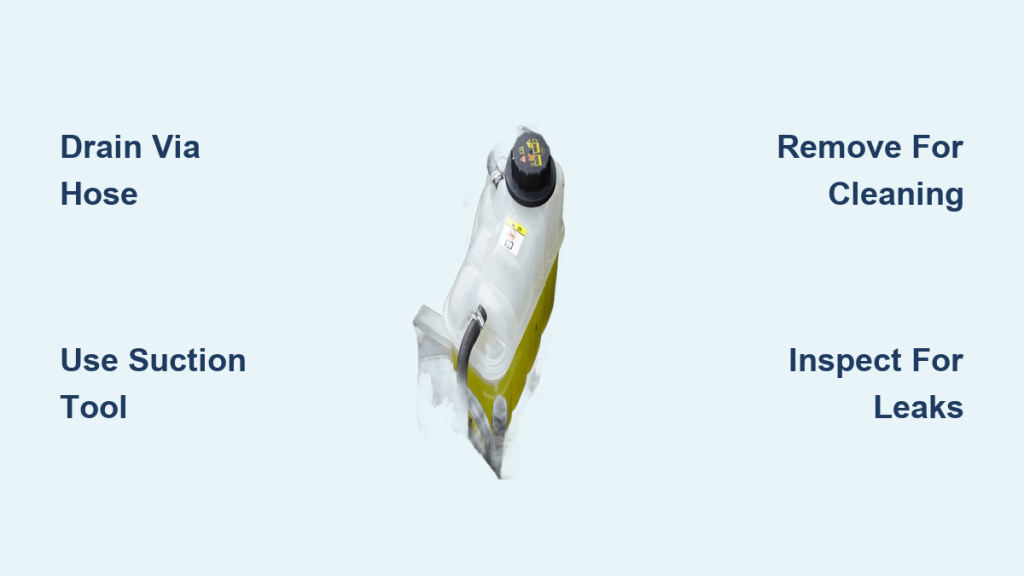
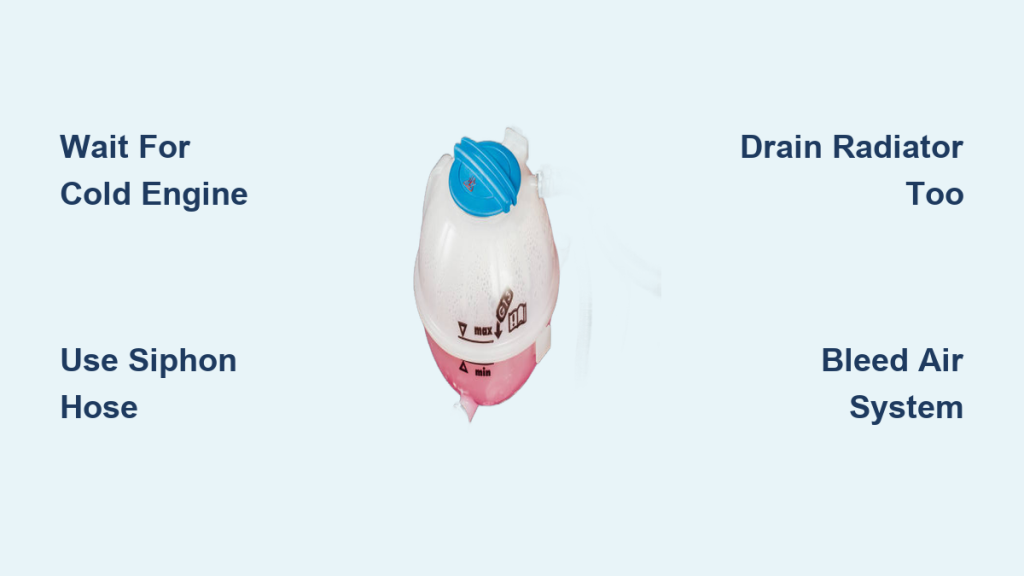
Check the expansion tank when the engine is cold. The level should sit between the “Min” and “Max” marks. A drop indicates an external leak, internal consumption through a head gasket issue, or evaporation from a loose or failing cap. Replace the expansion tank cap every five years. The pressure valve inside can fail and allow coolant to escape.
Perform a Pre-Season System Check
Before summer heat or winter storage, pressure test the system, verify electric fan operation, inspect belts and pulleys, and confirm heater function. Catching small issues early prevents roadside breakdowns and expensive towing.
Choose a Qualified BMW Repair Facility
Verify BMW-Specific Expertise and Training
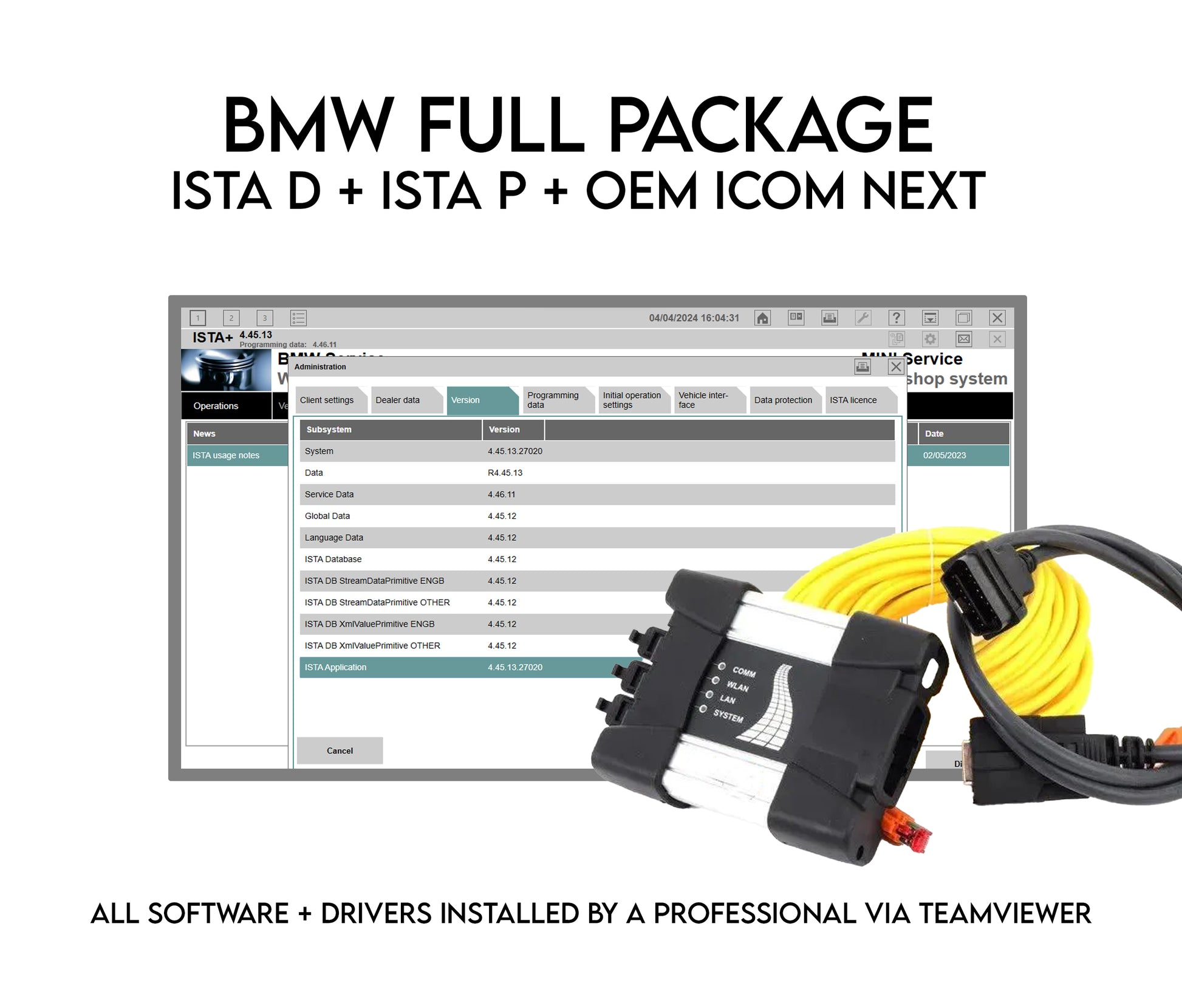
Not every shop can properly service BMW cooling systems. Look for facilities with ASE-certified technicians who hold BMW STSA or equivalent factory training. The best shops use dealer-level diagnostic tools such as ISTA or Autologic. Membership in the BMW Car Club of America or similar organizations signals a commitment to factory standards. These specialists understand model-specific quirks, including the N54’s high-pressure fuel pump issues and the E46’s notorious plastic hose failures.
Confirm a Genuine Parts Policy
Ask directly whether the shop uses OEM BMW parts or aftermarket alternatives. Reputable facilities use genuine BMW radiators, OEM water pumps and thermostats, and BMW-approved LL-04 or LL-18 coolant. They should provide part numbers and show you the original packaging before installation.
Expect Transparent Communication Throughout the Service
The best shops explain why a repair is needed, what failure looks like internally, how long the job takes, and what warranty terms apply. A typical BMW radiator replacement takes two to four hours. Warranty coverage should extend at least two years on parts and labor. Avoid shops that upsell unnecessary services or cannot show diagnostic test results.
Frequently Asked Questions About BMW Radiator Repair
How much does BMW radiator repair cost on average?
A BMW radiator replacement typically costs between $700 and $1,500 at an independent shop, including parts and labor. Dealerships often charge $1,200 to $2,500. Costs vary based on model, integrated transmission cooler complexity, and labor rates in your region. Additional parts like hoses, the water pump, and thermostat can add $200 to $500 to the total.
How long does a BMW radiator last before needing replacement?
Most BMW radiators last between 80,000 and 120,000 miles. However, plastic tank degradation, coolant chemistry breakdown, and road debris damage can shorten this lifespan. Proactive replacement at the first sign of failure prevents secondary engine damage that costs far more to repair.
Can I drive my BMW with a small coolant leak?
Driving with any coolant leak is risky. Even a slow leak can cause sudden overheating during slow traffic or hot weather. Top off the reservoir with the correct BMW coolant and drive directly to a repair shop. Avoid long trips or highway speeds until the leak is diagnosed and fixed.
What type of coolant does my BMW require?
BMW vehicles require silicate-free, organic acid technology coolant. Most models use LL-04 formulation, while newer engines may specify LL-18. These fluids are typically blue, pink, or yellow depending on the exact specification. Using traditional green coolant causes chemical reactions that damage aluminum components and seals.
How do I know if my BMW water pump is failing?
Common signs include a high-pitched whining noise from the front of the engine, coolant stains on the pump housing, visible drips from the weep hole, and rising engine temperature at idle. Since BMW water pumps often use plastic impellers that fail suddenly, proactive replacement at 90,000 miles is strongly recommended.
Is it worth repairing an old BMW radiator instead of replacing it?
Repair is rarely worthwhile for BMW radiators. Temporary fixes like epoxy or brazing on plastic tanks usually fail within months due to thermal cycling. The labor cost of disassembly and reassembly often approaches the cost of a new radiator. Replacement with genuine BMW parts provides reliable, long-term cooling performance.
Key Takeaways for Protecting Your BMW Cooling System

A BMW radiator repair is about more than swapping a part. It is about restoring a precision-engineered thermal management system designed to protect one of the most complex engines on the road. Overheating leads to warped heads, blown gaskets, and seized engines. Costs that dwarf any repair bill.
Recognize early symptoms like rising temperatures, coolant puddles, and heater performance changes. Insist on genuine BMW parts and BMW-approved coolant during every service. Follow a strict maintenance schedule with coolant flushes every two to three years and proactive water pump replacement at 90,000 miles. Choose a qualified BMW specialist with factory training, dealer-level diagnostic tools, and transparent communication.
Take immediate action at the first sign of trouble. Schedule a professional cooling system inspection today to confirm your radiator, water pump, and thermostat are ready for the demands of daily driving.