Your engine runs hot, and the cooling system is the only thing standing between reliable performance and catastrophic overheating. Coolant degrades over time, losing its anti-corrosive properties and turning into a sludgy mess that clogs radiators and corrodes aluminum components. Learning how to drain and replace coolant is essential maintenance that protects your engine for thousands of miles.
This guide walks you through the complete process: draining both the radiator and engine block, flushing contaminated fluid, refilling with the correct 50/50 mix, bleeding air pockets, and disposing of old coolant responsibly. You’ll find specific tools, step-by-step procedures, and expert tips to get the job done safely.
Prepare Your Vehicle Safely for Coolant Service
Before touching any tools, your car needs proper setup. Skipping these steps leads to burns, spills, and incomplete drainage.
Confirm Engine Is Completely Cold
Never open the cooling system when the engine is warm. Pressurized hot coolant or steam can cause severe burns instantly. Let the engine sit overnight or wait at least four hours after shutdown. Pop the hood early to help residual heat escape faster.
Park on Level Ground
A flat surface ensures all coolant drains completely. If using ramps or jack stands, position the vehicle so the radiator drain plug sits at the lowest point. Tilting the car uphill traps fluid in the engine block.
Lift Vehicle Securely
Use ramps or a floor jack with manufacturer-recommended lift points, then support with jack stands. Never work under a vehicle held only by a jack. This gives clear access to the radiator drain plug and engine block bolt.
Position Drain Pan Beneath Radiator
Place a 10-liter drain pan directly under the radiator’s lower edge. Some coolant drips slowly after the main flow stops, so give it time. Keep rags nearby for spills.
Drain Old Coolant from Radiator and Engine Block

Removing all old fluid prevents contamination and ensures fresh coolant performs as intended. Most DIYers skip critical drain points, leaving behind contaminated fluid.
Remove Radiator Cap First
With the engine cold, twist off the radiator cap slowly to release vacuum. This allows smooth drainage. Leave the cap off throughout the entire drain and refill process until final bleeding.
Open Radiator Drain Plug
Locate the drain plug on the lower left or right side of the radiator. Use a wrench or socket to open it. Coolant will pour out aggressively, so step back and wait. Let it drain for 10-15 minutes until dripping stops completely.
Pro Tip: If your radiator has no drain plug, disconnect the lower radiator hose using pliers to loosen the clamp. Be ready for a surge of fluid.
Drain Engine Block and Heater Core
This step is often skipped, but up to 40% of coolant can remain trapped in the engine block and heater core. Find the engine block drain bolt, typically on the passenger side near the front. Position your drain pan underneath, remove the bolt, and let fluid drain fully.
• Find the engine block drain bolt on the passenger side
• Position drain pan underneath before removing
• Inspect the bolt washer and replace if cracked or compressed
Warning: Some engines lack a block drain plug. In these cases, remove the lower radiator hose to drain the engine completely.
Reinstall Drains with Proper Torque
After draining, replace the washer on the engine bolt. Apply high-temperature thread sealant to prevent leaks. Torque to spec: 58 lb-ft for a 1999 Acura Integra. Always check your manual for your vehicle’s specifications. Tighten the radiator drain plug firmly but avoid over-tightening aluminum threads.
Flush Cooling System When Contaminated
If coolant appears brown, rusty, or contains sludge, flushing is mandatory. Mixing new fluid with old gunk reduces efficiency and risks blockages.
Choose Between Standard or Extreme Flush
| Flush Type | Use Case | Duration |
|---|---|---|
| Standard Flush | Slightly dirty coolant, routine service | 20-45 minutes |
| Extreme Flush | Oil or fuel contamination, heavy sludge | 45-90 minutes |
Products like Nulon Radiator Flush and Clean or Pro-Strong Cooling System Flush break down deposits safely.
Perform the Flush Cycle
- Close both drain plugs securely
- Pour flush solution into the radiator
- Top up with tap water (minerals help agitation during flushing)
- Replace radiator cap
- Start engine and set heater to maximum heat (opens the heater core valve)
- Let idle 20-90 minutes depending on flush type
- Monitor temperature gauge and shut off immediately if overheating occurs
Note: Never drive the vehicle during a flush. Idle only with the engine stationary.
Rinse System Until Water Runs Clear
Flushing leaves behind chemical residue that can react with new coolant and form gel. Rinsing removes all traces of flush chemicals and loosened debris.
Drain Flush Mixture Completely
After the flush cycle, shut off the engine and wait for it to cool. Open both drain plugs and remove the lower hose if needed. Drain all fluid completely.
Repeat Rinse Cycle Until Clear
- Close all drains firmly
- Fill radiator with demineralised or clean tap water
- Start engine and let it reach operating temperature
- Shut off, cool completely, then drain again
Repeat this flush-and-drain process 2-3 times or until the discharged water runs clear and colorless.
Critical: Never skip rinsing. Leftover flush chemicals can react with new coolant and create gel that clogs your system.
Mix and Add Correct Coolant Type
Using the wrong coolant type or incorrect ratio compromises protection and leads to overheating or corrosion.
Select Proper Coolant Type
Check your owner’s manual for the correct specification. Common types include:
• IAT (Inorganic Additive Technology) – Green, older vehicles
• OAT (Organic Acid Technology) – Orange or red, long-life, used in GM and Dodge vehicles
• HOAT (Hybrid OAT) – Yellow or gold, used in Fords, Chryslers, and many imports
Important: Never mix coolant types. Chemical incompatibility causes gel formation, clogs, and heater core failure.
Use 50/50 Coolant-to-Water Ratio
The ideal balance provides freeze protection to -34°C (-30°F) and raises boiling point to approximately 129°C (265°F) under pressure. Use 50% coolant and 50% demineralised or distilled water. For a 4.4-liter system like a 1999 Acura Integra, mix 2.2 liters of coolant with 2.2 liters of distilled water.
Shortcut: Use pre-mixed 50/50 coolant to eliminate measuring errors.
Avoid Common Coolant Mistakes
• Using tap water in the final fill causes mineral buildup
• Exceeding 70% coolant ratio reduces heat transfer efficiency
• Reusing old coolant leaves degraded inhibitors
• Pouring concentrate without dilution creates immediate overheating risk
Refill Cooling System Properly
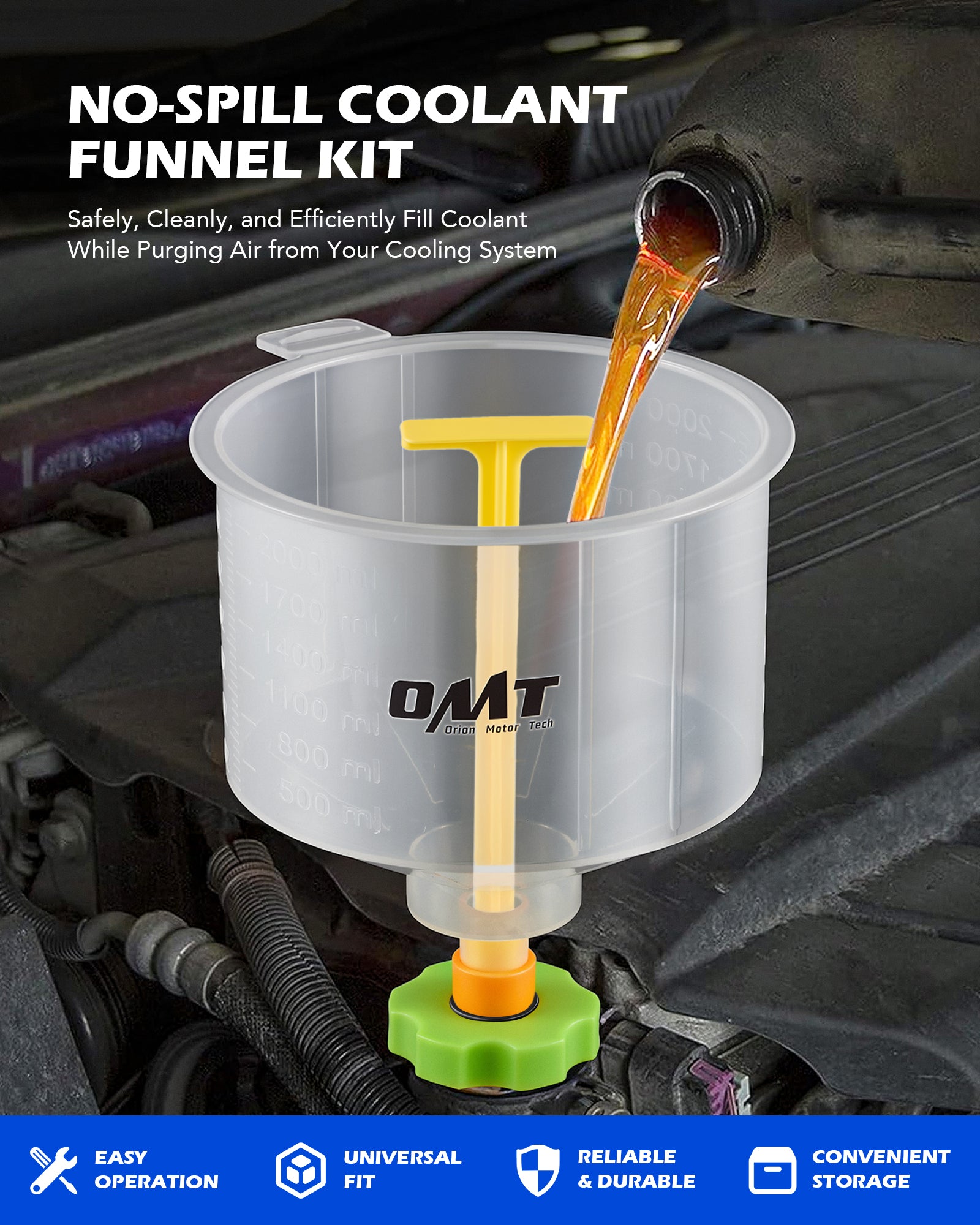
A proper refill sets the stage for effective air bleeding and stable long-term operation.
Clean and Fill the Overflow Reservoir
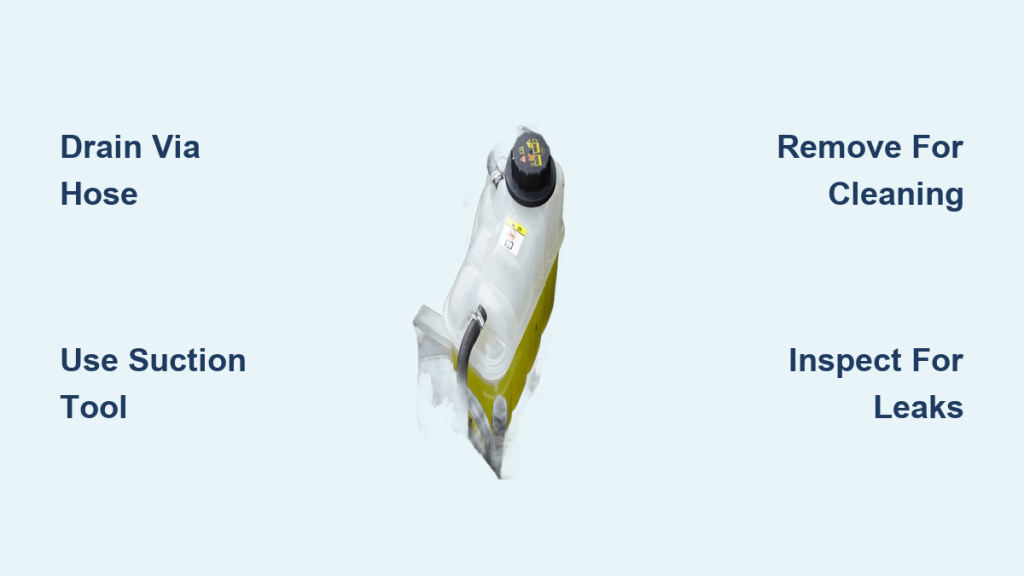
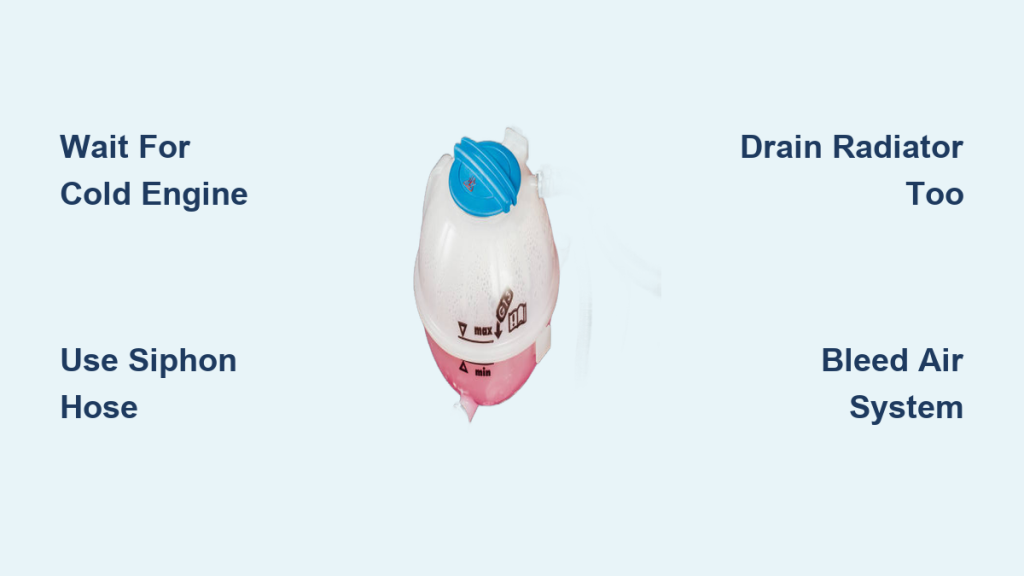
Remove the coolant overflow tank if accessible. Clean the inside with water to remove sediment. Reinstall and fill to the “MAX” line with your 50/50 coolant mixture.
Fill Radiator Through the Neck
With the radiator cap still off, fill directly into the radiator until coolant reaches the base of the filler neck. Do not install the cap yet because air needs to escape during bleeding.
Tip: Use a funnel with a filter to prevent debris from entering the cooling system.
Bleed Air from the System
Air pockets cause overheating, poor heater output, and false temperature readings. Bleeding is non-negotiable for proper system function.
Perform Standard Air Bleed
- Leave radiator cap off completely
- Set heater to maximum heat and highest fan setting
- Start engine and let it idle outdoors without load
- Watch coolant level drop suddenly when the thermostat opens
- Air bubbles rise and pop at the surface
- Top up continuously as the level falls
- Once level stabilizes and no bubbles appear, install the cap
Run Until Fan Cycles Twice
Continue idling for 20-30 minutes until the radiator fan turns on at least twice. This confirms full operating temperature and complete air purge.
Warning: Some modern vehicles like BMW, Audi, and newer Toyotas require a scan tool to activate electric water pumps or open thermostats during bleeding. Consult your manual.
Repeat If Overheating Returns
If temperature fluctuates or the heater blows cold, repeat the bleeding process. Check for a stuck thermostat or air lock in the heater core.
Test Drive and Finalize the Job
Your work isn’t complete until the system proves stable under real driving conditions.
Check All Connection Points for Leaks
Inspect the radiator drain plug, engine block bolt, hoses and clamps, water pump weep hole, and reservoir connections. Tighten any seepage immediately.
Take a 15-20 Minute Test Drive
Monitor the temperature gauge which should stabilize in the middle. The heater must blow consistently hot with no warning lights appearing. If overheating occurs, stop immediately, cool down, and re-bleed the system.
Top Off After Complete Cooling
After the test drive, let the engine cool completely. Open the reservoir and top off to “MAX” if needed. Final contraction often reveals hidden air pockets that need filling.
Dispose of Old Coolant Responsibly
Used coolant is toxic and environmentally hazardous. Never pour it down drains or onto the ground.
Store Used Coolant Safely
Pour used fluid into a sealed container with a screw cap. Label it clearly: “Used Engine Coolant – Toxic.” Keep it away from children and pets because coolant’s sweet smell attracts animals.
Recycle at Approved Facilities
Take used coolant to auto parts stores like AutoZone, O’Reilly, or Advance Auto. Municipal hazardous waste centers and certified recycling facilities also accept it, often free of charge.
Key Takeaways for Draining and Replacing Coolant
Draining and replacing coolant protects your engine from overheating and extends its lifespan significantly. The critical steps include draining both the radiator and engine block to remove all old fluid, flushing only when coolant appears contaminated, rinsing until water runs completely clear, using the correct 50/50 mixture with demineralised water, and bleeding all air pockets thoroughly. Always follow your vehicle’s specific torque specifications and coolant type requirements. With this procedure completed properly, your cooling system delivers reliable performance for years to come.
Frequently Asked Questions About Draining and Replacing Coolant
How often should I drain and replace coolant?
Most vehicles need coolant replacement every 24,000 to 36,000 miles or 24 to 36 months. Some modern vehicles with long-life coolant can go up to 100,000 miles. Check your owner’s manual for specific intervals.
Can I use tap water instead of distilled water in my coolant?
Never use tap water for the final fill because it contains minerals that cause scaling and corrosion. Use distilled or demineralised water only. Tap water is acceptable only during flushing to help agitate contaminants.
What happens if I don’t bleed air from the cooling system?
Air pockets cause overheating, reduce heater output, and create false temperature readings. Unbled air can also lead to cavitation damage on the water pump and uneven coolant circulation.
Do I need to drain the engine block as well as the radiator?
Yes, draining the engine block is crucial because up to 40% of coolant can remain trapped in the engine block and heater core. Skipping this step leaves contaminated fluid that mixes with new coolant.
Is it safe to mix different colors of coolant?
No. Different coolant technologies (IAT, OAT, HOAT) contain incompatible chemical additives that can react and form gel. Always use the coolant type specified in your owner’s manual.