If you’ve ever opened your hood and wondered where the coolant actually belongs, you’re not alone. The short answer is yes, coolant can go into the radiator, but only in specific situations. For most routine maintenance, your vehicle’s coolant reservoir is the correct fill point.
Understanding the difference between these two locations protects your engine from damage and keeps you safe from scalding injuries. Below, you’ll learn exactly when to add coolant to the radiator, when to use the reservoir, and how to handle emergencies without harming your vehicle.
Coolant Reservoir vs. Radiator: Where to Add Fluid

Modern vehicles use two separate containers for engine coolant, and each serves a unique purpose. Knowing which one to use prevents costly mistakes.
Why the Reservoir Handles Routine Top-Offs
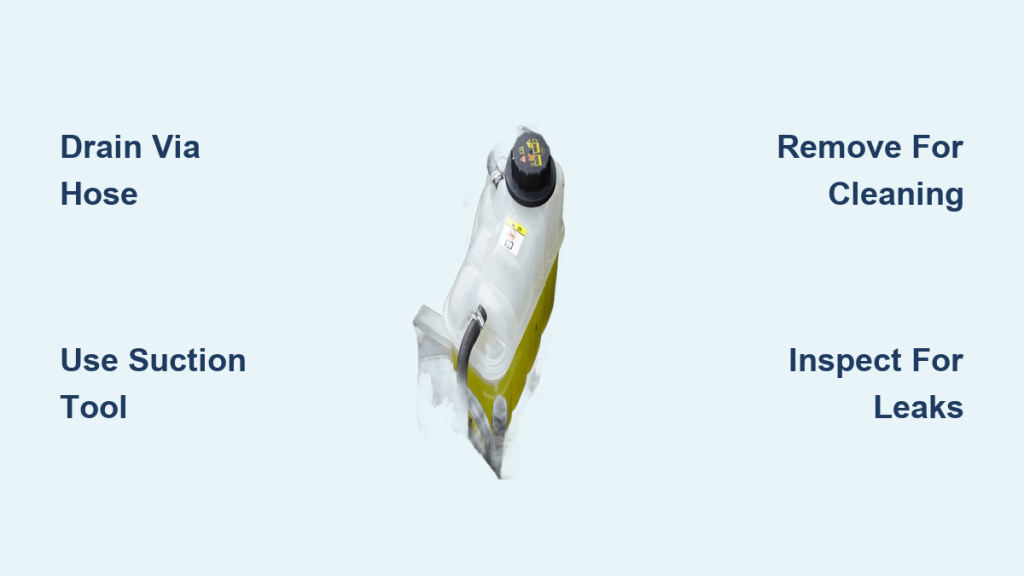
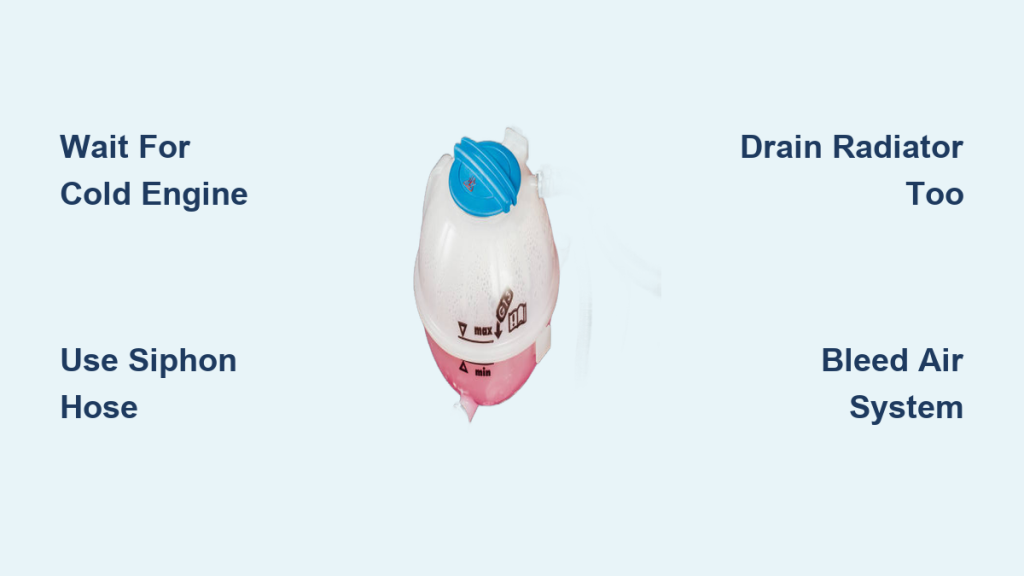
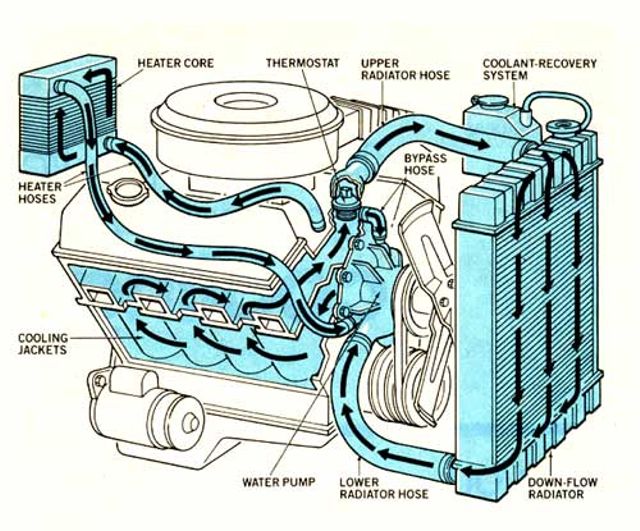
The coolant reservoir (also called the overflow tank) is a translucent plastic container near the front of your engine bay. It usually has “MIN” and “MAX” or “FULL” markings on its side and is labeled “Coolant” or “Engine Coolant.”
This tank acts as a pressure buffer. As your engine heats up, expanding coolant flows into the reservoir. When the engine cools, vacuum pulls the fluid back into the radiator. This cycle prevents air pockets and maintains stable pressure throughout the cooling system.
To top off coolant safely:
1. Park on level ground and let the engine cool for at least 30 minutes.
2. Open the hood and locate the translucent reservoir.
3. Check the fluid level against the MIN and MAX lines.
4. Slowly add the correct coolant type until it reaches the FULL mark.
5. Replace the cap securely.
Overfilling leaves no room for thermal expansion. This causes overflow when the engine heats up and can lead to leaks or hose damage.
When to Fill the Radiator Directly
While the reservoir handles most situations, there are times when you must add coolant to the radiator itself.
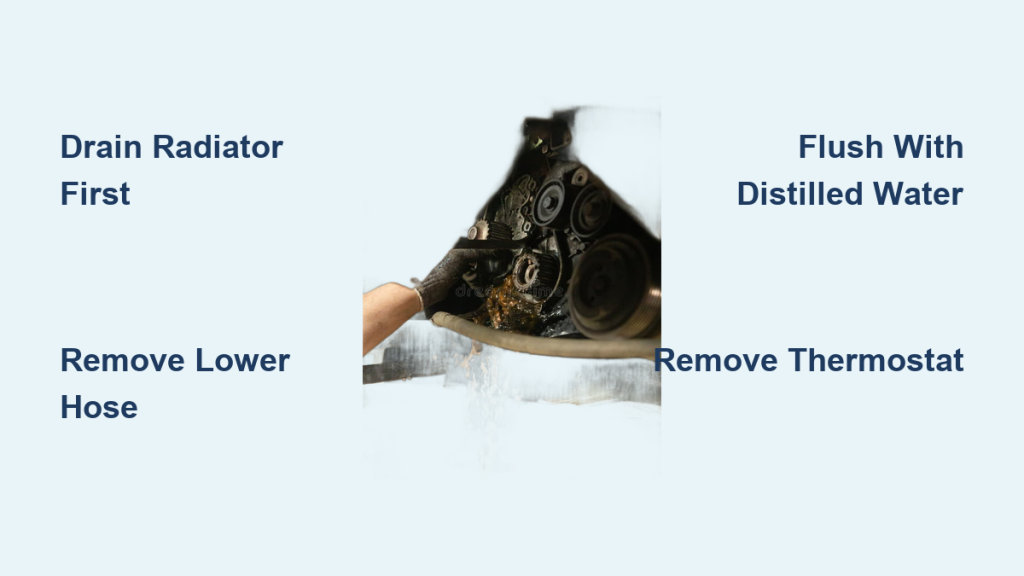
During a Full Coolant Flush
When you drain and replace all the fluid in your cooling system, the radiator needs direct filling. This primes the core completely and minimizes trapped air. After draining the system, pour coolant directly into the radiator filler neck until the fluid reaches just below the rim.
If the Reservoir Is Damaged or Missing
A cracked or absent overflow tank removes your ability to auto-replenish coolant. In this case, the radiator becomes your only access point. Fill it carefully when the engine is cold, then monitor levels closely until you can replace the reservoir.
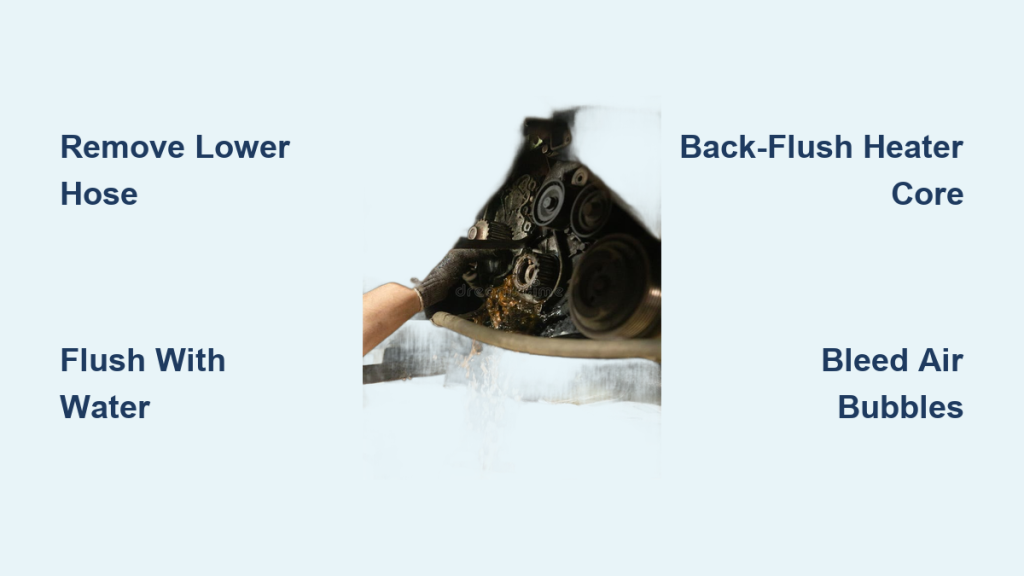
To Bleed Trapped Air from the System
Air pockets block coolant circulation and cause overheating, cold heater output, or gurgling sounds. Filling the radiator directly helps push these bubbles out through the filler neck. This “burping” process restores proper flow and prevents hot spots in the engine.
Safety Steps Before Opening the Radiator Cap
The cooling system operates under high pressure, often exceeding 15 psi. Removing a cap at the wrong time can cause serious burns.
Never Open a Hot Cooling System
Hot coolant can reach temperatures above 250°F (121°C) without boiling because of system pressure. Removing the cap releases this pressure instantly, causing superheated fluid to flash into scalding steam. Always wait at least 30 to 60 minutes after shutting off the engine before touching any cap.
Safe Pressure Release Procedure
Even on a cool engine, follow these steps:
1. Wear gloves and eye protection.
2. Cover the cap with a thick rag.
3. Turn the cap counterclockwise slowly to the first detent.
4. Pause and listen for hissing sounds.
5. Wait until all hissing stops completely.
6. Only then fully unscrew and remove the cap.
If fluid bubbles up during this process, retighten the cap immediately and wait longer. Patience prevents injury.
Choosing the Right Coolant for Your Engine
Coolant is a precision-engineered chemical blend, not just colored water. Using the wrong type damages your engine over time.
Mix Coolant with Distilled Water
Most engines require a 50/50 mixture of coolant and distilled water. This ratio raises the boiling point to roughly 226°F and lowers the freezing point to about -34°F. It also prevents corrosion inside the radiator, water pump, and engine block.
Never use tap water for routine mixing. Minerals like calcium and magnesium leave scale deposits that clog narrow passages and reduce cooling efficiency. Distilled water is the only safe choice for concentrate mixing.
Don’t Mix Different Coolant Types
Coolants use different chemical technologies:
– OAT (Organic Acid Technology), often orange, red, or yellow
– HOAT (Hybrid OAT), usually yellow, turquoise, or pink
– IAT (Inorganic), traditional green
Each formula contains unique corrosion inhibitors. Mixing incompatible types causes gel formation, sludge buildup, and clogged passages. Always check your owner’s manual for the correct specification, and when in doubt, match what is already in your system.
Emergency Water Use When Coolant Is Unavailable
Running out of coolant on the road can leave you stranded. Water works as a temporary fix, but only for a short time.
How Long You Can Drive on Water
If your reservoir is empty and the engine is overheating, let everything cool completely. Then add clean water to the reservoir or radiator. You can typically drive 5 to 15 minutes on water alone before overheating becomes a serious risk, depending on speed, load, and weather.
Risks of Prolonged Water Use
Water lacks corrosion protection and boils at a lower temperature than coolant. Extended use leads to rust inside the radiator and engine block, premature water pump failure, and freeze damage in cold weather. After using water, have your system fully flushed and refilled with proper 50/50 coolant as soon as possible.
Bleeding Air Pockets After a Coolant Refill
Even after filling correctly, air can remain trapped in the cooling system. This causes frustrating symptoms that mimic serious engine problems.
Recognizing an Airlock
Watch for these warning signs after a refill:
– Temperature gauge spikes shortly after driving
– Heater blows cold air despite a warm engine
– Gurgling sounds from the dashboard
– Coolant level drops without visible leaks
How to Bleed the System
- Park on level ground with the engine cold.
- Remove the radiator cap (or reservoir cap if accessible).
- Start the engine and set the heater to maximum heat with low fan speed.
- Squeeze the upper radiator hose repeatedly to force air out.
- Let the engine warm to operating temperature.
- Add coolant as the level drops.
- Replace the cap once levels stabilize.
Some vehicles have dedicated bleeder valves. Check your service manual for model-specific instructions.
Coolant Maintenance Schedule and Warning Signs
Prevention keeps your cooling system reliable for years. Build these habits into your routine.
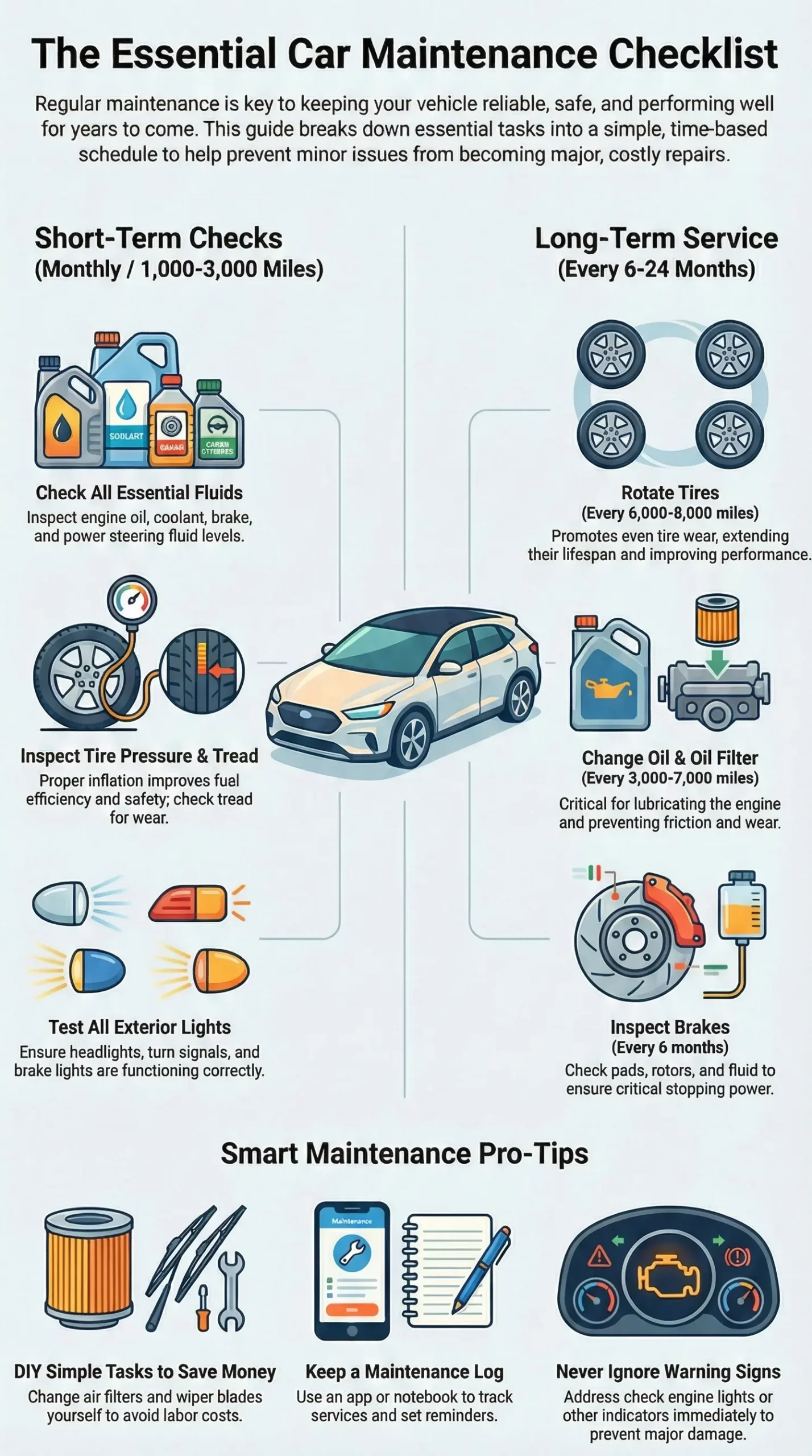
Check Levels at Every Oil Change
Inspect the reservoir each time you change your oil. Look for low levels, discoloration, or sludge. Brown or rusty fluid suggests internal corrosion. Oil contamination in the coolant may indicate a failing head gasket.
Replace Coolant Every 2 to 3 Years
Most manufacturers recommend a complete coolant flush every 30,000 to 60,000 miles, or every 2 to 3 years. Over time, corrosion inhibitors deplete and leave metal parts vulnerable.
Signs you need a flush soon:
– Coolant appears dark or cloudy
– Rust particles float in the fluid
– Frequent overheating episodes
– Declining heater performance
A professional flush removes old fluid, debris, and contaminants, then refills with fresh coolant. This protects your engine and improves long-term efficiency.
Frequently Asked Questions About Adding Coolant to the Radiator
Can I put coolant directly into the radiator?
Yes, but only during a full flush, when bleeding air pockets, or in emergencies. For routine top-offs, always use the coolant reservoir when the engine is cold.
Where exactly do you put coolant in a car?
Check the translucent overflow tank near the front of the engine bay. It has MIN and MAX markings. Add coolant here for everyday maintenance.
Is the coolant reservoir the same as the radiator?
No. The radiator is the main heat exchanger where coolant circulates through the engine. The reservoir is a separate overflow tank that manages expansion and pressure balance.
How long should I wait before opening the radiator cap?
Wait at least 30 to 60 minutes after turning off the engine. The system must be completely cold to avoid scalding steam when you release the cap.
Can I mix green coolant with pink or orange coolant?
No. Different coolant chemistries (OAT, HOAT, IAT) contain incompatible inhibitors. Mixing them causes gel, sludge, and clogged passages. Always use the type specified in your owner’s manual.
What happens if I overfill the coolant reservoir?
Overfilling prevents room for thermal expansion. Excess coolant pushes out through the overflow hose when the engine heats up, causing mess and potential air introduction into the system.
Final Takeaways on Adding Coolant to Your Radiator
So, does coolant go into the radiator? Yes, but only when the situation calls for it. Use the reservoir for daily top-offs, and reserve direct radiator filling for flushes, air bleeding, or emergencies.
Three habits will keep your cooling system healthy:
– Always check levels when the engine is cold
– Use the correct coolant type mixed with distilled water
– Never open a hot radiator cap
Your next step is simple: open your hood, locate your reservoir, and verify the fluid level sits between the MIN and MAX lines. If it does, you’re set for your next drive. If not, grab the correct coolant and top off safely.