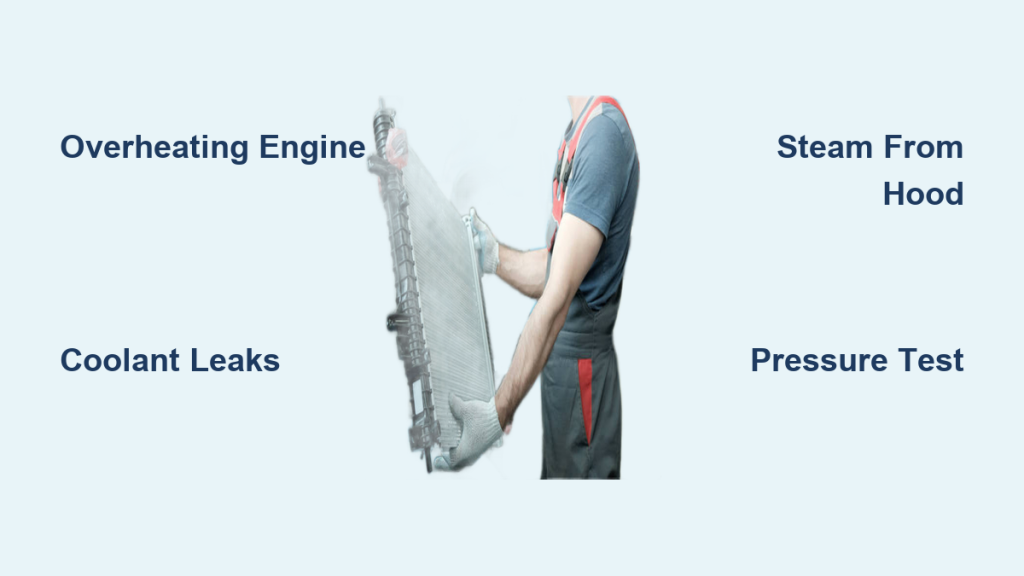
Your temperature gauge climbs into the red, steam pours from under the hood, or you spot a bright puddle in the driveway. These are urgent signs that radiator repair in Pike Creek cannot wait. Ignoring cooling system problems risks warped cylinder heads, blown gaskets, or complete engine failure. For drivers in the 19808 zip code and nearby Wilmington, Newark, and Bear, more than 50 RepairPal Certified shops stand ready. This guide covers warning signs, repair steps, real cost data, and the top-rated local mechanics for radiator repair in Pike Creek.
Spot Radiator Failure Early
.png)
Catching cooling system trouble before serious engine damage occurs saves both time and money. Knowing what to watch for helps you act fast.
Overheating Engine Clues
A temperature gauge that climbs past normal is your first warning. If the needle reaches “H” or stays elevated, coolant is not circulating properly. Overheating often starts as an occasional issue but escalates quickly. Even short drives at high temperatures can warp cylinder heads. Pull over safely and let the engine cool before checking fluid levels.
Coolant Leak Indicators
Puddles under your car after parking likely indicate coolant. Look for green, orange, or pink fluid with a sweet smell. Leaks commonly originate from cracked hoses, corroded radiator tanks, or damaged fins. If you constantly refill coolant, an active leak exists somewhere in the system. Never drive with low coolant levels.
Steam from the Hood
Visible steam means coolant is boiling and escaping. This signals an emergency that demands immediate action. Continuing to drive risks irreversible engine damage. Allow the engine to cool completely before opening the hood. Never remove the radiator cap while the system is hot.
Diagnose Like a Pro
Guessing wastes money and leaves the real problem untouched. A proper diagnosis ensures the correct fix the first time.
Pressure Test the System
Technicians use a pressure tester to simulate operating conditions. The tool pumps air into the cooling system to locate hidden leaks. If pressure drops, a leak exists in the radiator, hoses, or cap. This test confirms the problem without disassembly.
Inspect Hoses and Fittings
Cracked, swollen, or brittle hoses fail under pressure. A greasy feel signals oil contamination from internal engine leaks. Hoses should feel firm yet flexible. Replace any showing wear, since labor overlaps with radiator work and doing it now saves money.
Check for Internal Damage
Overheating can damage more than the radiator itself. Mechanics inspect the thermostat, water pump, and head gasket. A failed head gasket may push exhaust gases into the cooling system, creating bubbles in the overflow tank. Milky residue in the oil is another serious red flag.
Repair vs. Replace: What Works Best

Minor issues sometimes allow a targeted repair, but most radiator failures demand full replacement.
Fix Small Leaks Safely
Pinhole leaks or minor cracks in metal sections can sometimes be sealed with epoxy or soldering. However, modern radiators use plastic end tanks that crack easily and cannot be reliably patched. Repair only works when the core remains intact and the vehicle has lower mileage.
When Full Replacement Is Needed
Complete replacement becomes necessary if:
– Plastic end tanks are split
– Core fins are crushed or corroded
– Multiple leaks exist throughout the system
– Previous stop-leak products were used
Replacement ensures long-term reliability and prevents repeat breakdowns.
Radiator Replacement Steps
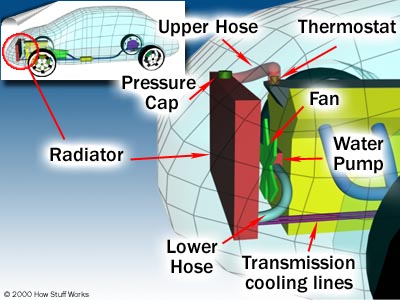
A proper radiator swap demands precision. Here is what the job includes and why doing it right matters.
Drain and Disconnect
Coolant must be fully drained before removal begins. Technicians disconnect hoses, electrical connectors for fans, and mounting brackets. Some vehicles require bumper or shroud removal, especially trucks like the F-150 or Silverado.
Remove the Old Radiator
Careful extraction avoids damaging nearby components such as AC lines or cooling fans. The unit is lifted out, often requiring two people for larger models. Old gaskets are cleaned off to ensure a perfect seal on reinstallation.
Install the New Radiator
The new unit goes in using the reverse order of removal. Match OEM specifications, since aftermarket radiators vary in quality. Plastic tanks must align perfectly. Reuse serviceable parts like fan switches only after confirming they function properly.
Bleed Air from the System
Air pockets block coolant flow and create hot spots. Some vehicles need special procedures, such as raising the front end or opening bleed valves. A proper bleed ensures the engine reaches normal operating temperature without overheating.
Avoid Costly DIY Mistakes
Radiator replacement looks simple, but hidden pitfalls make it risky for beginners.
Misdiagnosis Happens Often
Overheating does not always point to the radiator. A stuck thermostat, failed water pump, or bad radiator cap can mimic the same symptoms. Replacing the radiator will not fix these underlying issues. Always pressure-test first.
Bleeding Errors Cause Damage
Improper bleeding leaves air trapped inside the system. That creates localized overheating even with a brand-new radiator. Some newer Hondas and Toyotas require scan tools to activate electric fans during the fill process.
Front-End Disassembly Required
Many modern cars need bumper removal for access. Without the right tools and guides, you risk breaking clips or misaligning parts. Labor time varies widely, from 2 to 3 hours for a Corolla up to 6 hours for full-size trucks.
Recommendation: Trust a Pro
Unless you have OEM service manuals and mechanic experience, a certified shop is the safer choice. The risk of engine damage from a flawed repair far outweighs the labor savings.
Know the True Repair Cost
Prices vary by vehicle model. Parts, labor, and coolant type all shape the final bill.
Average Replacement Costs
Most radiator replacements in Pike Creek cost between $1,353 and $1,528. Certified shops offer a standard 12-month or 12,000-mile warranty. Here is what you will pay by model:
| Vehicle Model | Cost Range |
|---|---|
| Toyota Corolla | $832 – $987 |
| Toyota Camry | $933 – $1,118 |
| Honda Accord | $954 – $1,085 |
| Honda Civic | $961 – $1,104 |
| Honda CR-V | $993 – $1,145 |
| Nissan Altima | $1,246 – $1,407 |
| Ford F-150 | $1,553 – $1,745 |
| Chevrolet Silverado | $1,637 – $1,806 |
Larger trucks cost more due to complex front-end access and pricier parts.
Why Prices Vary
- Labor Time: SUVs and trucks take longer
- Coolant Type: Some require specific long-life formulas
- Fan Assembly: Electric fans may need recalibration
- Cooling System Flush: Extra $75 to $125 if clogged
Top Pike Creek Radiator Repair Shops
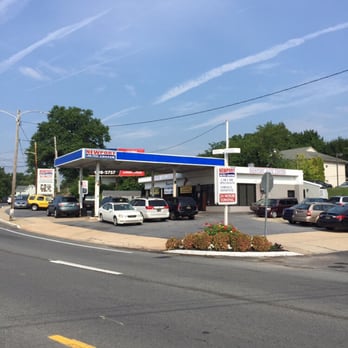
Choose a trusted local shop for cooling system fixes. These top-rated mechanics serve the Pike Creek area.
Newport Auto Center
Rated 5.0 from 13 reviews, this shop sits 3.9 miles away at 307 W Newport Pike, Wilmington, DE. Doors open at 7:00 AM Monday through Friday. Known for fast diagnostics and honest pricing. Offers free loaner cars for major repairs.
Ed’s Auto Repair
Located at 4601 Governor Printz Blvd, Wilmington, DE, only 2.86 miles from Pike Creek. Holds a 4.5-star rating. Opens at 8:30 AM Monday through Friday. Specializes in domestic trucks and SUVs. Uses only OEM-grade radiators.
Admiral Tire & Auto of Newark
At 1929 Kirkwood Hwy, Newark, DE, 8.45 miles away. Earned 4.9 stars from 19 customers. Full-service center with same-day repairs. Offers free shuttle service within 5 miles.
Fox Run Auto
In Bear at 610 Connor Blvd, 11.77 miles out. Holds a 4.9-star rating from 102 reviews. ASE-certified technicians. Performs full cooling system flushes with every radiator replacement.
Kirkwood Auto Center
A local favorite at 4913 Kirkwood Highway, Wilmington, DE 19808. Call 302-408-7950. Open Monday through Friday, 7:30 AM to 5:00 PM. Focuses exclusively on radiator issues, including leak repairs, full swaps, and cooling system tune-ups. Uses high-quality parts and explains failures clearly.
Prevent Future Radiator Issues
Extend your repair’s life with smart maintenance and proven practices.
Replace Coolant on Schedule
Use only the type specified in your owner’s manual. Most modern coolants last 5 years or 100,000 miles. Old coolant becomes acidic and corrodes the radiator from the inside.
Upgrade Worn Components
While the radiator is out, replace:
– Thermostat
– Radiator cap
– Upper and lower hoses
– Water pump if near end of life
Doing it all at once cuts labor costs and prevents repeat visits.
Skip the Leak Stopper
Chemical sealants like Bar’s Leaks provide a false fix. They clog heater cores, thermostat passages, and radiators. Mechanics often refuse warranty work on systems with stop-leak residue. Fix leaks properly instead of masking them.
Never Ignore Cooling System Warnings
Delaying radiator repair leads to disaster. The consequences multiply quickly.
Engine Damage Risks
Overheating causes:
– Warped cylinder heads
– Blown head gaskets
– Cracked engine blocks
– Seized pistons
Repairs can exceed $2,500, more than five times the cost of a new radiator.
Stranded on the Road
A sudden coolant leak leaves you stranded. Towing adds $100 to $200. Breakdowns in traffic are dangerous. Fix leaks before they leave you waiting on the shoulder.
Lower Fuel Efficiency
Engines run best between 195 and 220°F. Overheating or under-cooling throws off fuel mapping. Expect 5 to 15 percent worse gas mileage with a failing cooling system.
Frequently Asked Questions About Radiator Repair in Pike Creek
How much does radiator repair cost in Pike Creek?
Most radiator replacements in Pike Creek cost between $1,353 and $1,528. Compact cars like the Toyota Corolla run $832 to $987, while full-size trucks like the Chevrolet Silverado reach $1,637 to $1,806. Certified shops include a 12-month or 12,000-mile warranty.
How long does a radiator replacement take?
Labor time depends on the vehicle. A Toyota Corolla takes 2 to 3 hours. Full-size trucks like the F-150 or Silverado can take up to 6 hours due to front-end disassembly requirements. Most same-day repairs finish within one business day.
What are the signs I need radiator repair?
Watch for a rising temperature gauge, coolant puddles under the car, and steam from the hood. Frequent coolant refills also signal an active leak. Any of these symptoms warrant an immediate pressure test.
Can I drive with a leaking radiator?
Driving with a coolant leak is risky. Low coolant levels cause overheating, which warps cylinder heads and blows head gaskets. Pull over safely, let the engine cool, and arrange for a tow if the leak is severe.
Are chemical leak sealers safe to use?
Chemical sealers are not recommended. They temporarily plug leaks but clog heater cores, thermostat passages, and the radiator itself. Many mechanics refuse warranty work on systems treated with stop-leak products.
Where can I find certified radiator repair near Pike Creek?
Top options include Newport Auto Center, Ed’s Auto Repair, Admiral Tire & Auto of Newark, Fox Run Auto, and Kirkwood Auto Center. All are within 12 miles of Pike Creek and hold ratings of 4.5 stars or higher.
Key Takeaways for Radiator Repair in Pike Creek
Radiator repair in Pike Creek protects your engine from catastrophic damage. Watch for overheating, coolant loss, and steam from the hood. Get a pressure test to confirm the real issue before replacing parts. Full replacement is usually the best long-term fix, especially on high-mileage vehicles or those with plastic end tanks. Avoid DIY traps and stop-leak gimmicks that cause bigger problems down the road. Stick with certified mechanics like Kirkwood Auto Center or Newport Auto Center for reliable service. Schedule your repair today and prevent a $3,000 engine job tomorrow.