
Spent coolant, often called antifreeze, may seem like a minor automotive byproduct. But improper disposal can have major consequences. Ethylene glycol-based coolant, the most common type, is highly toxic and attracts animals and children with its sweet taste. When dumped down drains or onto the ground, it can poison water supplies, harm wildlife, and violate environmental laws. Recycling coolant is not just responsible, it is often required by law.
This guide covers how to identify, store, and recycle coolant safely while staying compliant with regulations. You will learn where to take used antifreeze, how the recycling process works, and what to avoid at all costs.
Identify Your Coolant Type First

Before recycling, confirm what kind of coolant you are handling. Using the wrong method or mixing types can create hazardous waste or damage engines.
Check Color and Label Carefully
Coolant comes in green, yellow, orange, red, pink, or blue. Each color once signaled a specific type, but today’s formulations vary by manufacturer. Color alone is unreliable. Green or yellow usually means traditional ethylene glycol with inorganic acid technology, common in pre-2000 vehicles. Orange often indicates GM’s Dex-Cool, while red, pink, or blue may be for Asian or European models. Always verify using the vehicle owner manual or the original product label.
Use Test Strips for Accuracy
When in doubt, use coolant test strips. These detect glycol concentration, pH levels, and inhibitor depletion. More advanced kits can distinguish between ethylene and propylene glycol. This step is critical for shops recycling large volumes or handling mixed batches.
Never Mix Coolant Types
Combining different coolants like OAT and IAT can cause gel formation, clog radiators, and ruin engine cooling systems. Cross-contamination also complicates recycling. Keep ethylene and propylene glycol separate during collection.
Store Used Coolant Safely
Proper storage prevents leaks, exposure, and regulatory violations. This is especially important if you are not recycling immediately.
Use a Labeled HDPE Container
Collect used coolant in a clean, leak-proof container made of high-density polyethylene. The original antifreeze jug is ideal if undamaged. Never reuse food or beverage bottles. This risks accidental ingestion due to coolant sweet smell and taste.
Label the container clearly with:
• Used Antifreeze or Waste Coolant
• Date of collection
• Type if known
Keep It Secure and Separate
Store the container out of reach of children and pets. Keep it away from heat sources and direct sunlight. Use secondary containment like a drip pan to catch spills. Keep coolant away from oil, fuel, brake fluid, and solvents. Mixing fluids can make the batch non-recyclable and hazardous.
Do Not Store Indefinitely
Long-term storage increases the risk of leaks and degradation. Recycle coolant as soon as possible. For businesses, federal rules limit storage to 90 days for large quantity generators unless permitted otherwise.
Where to Recycle Coolant
You do not need special permits to recycle coolant. Many local options exist for households and businesses.
Auto Parts Stores Accept Used Coolant
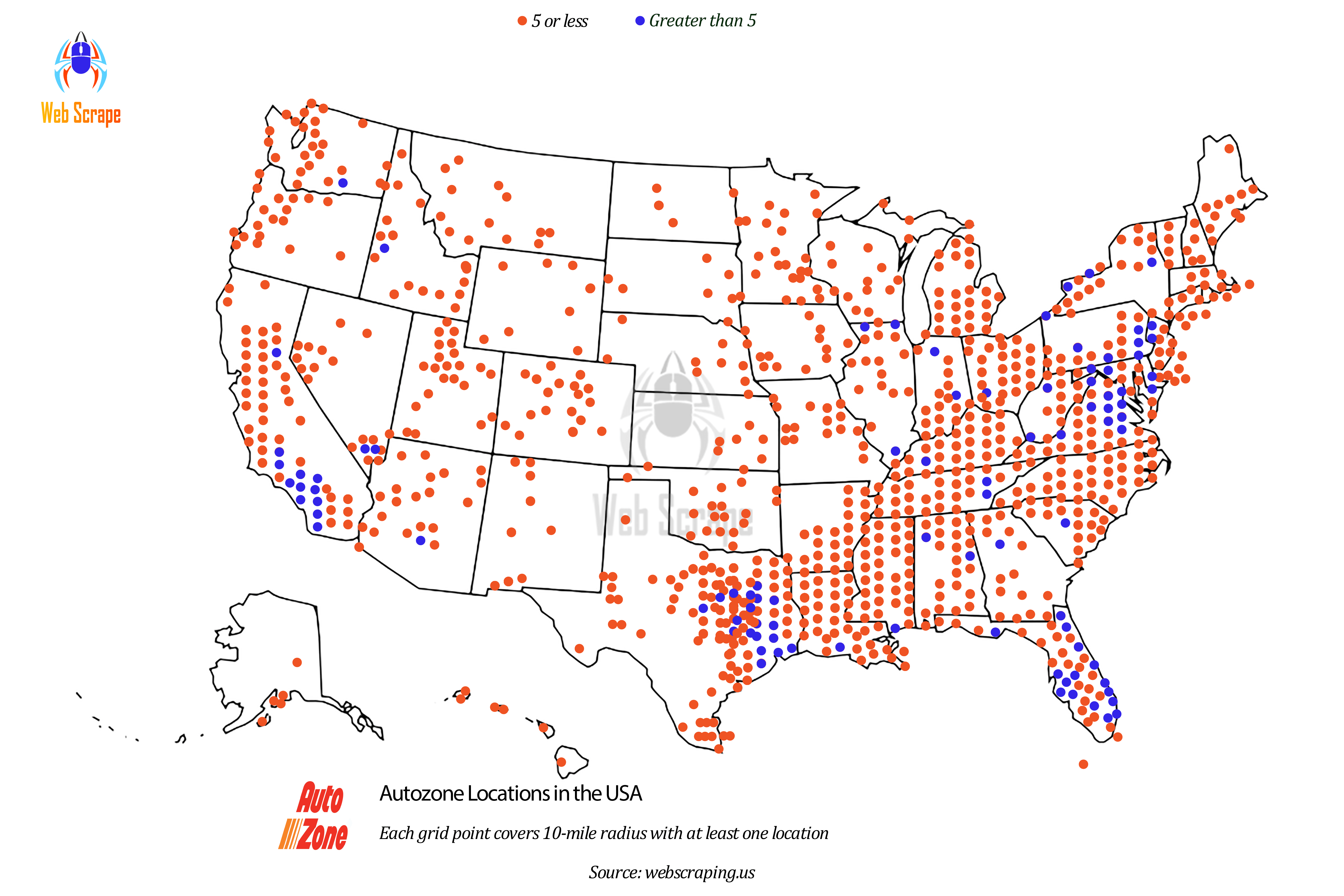
Many national retailers offer free recycling. AutoZone locations accept used antifreeze at no cost. Call ahead to confirm. O’Reilly Auto Parts and Advance Auto Parts also participate in some locations, especially in states with strict environmental rules. These stores partner with licensed recyclers.
Use Household Hazardous Waste Programs
Most municipalities run HHW programs for safe disposal of toxic materials. Orange County, Florida residents can drop off coolant at county HHW facilities with no curbside pickup. Outagamie County, Wisconsin is part of the TriCountyRecycling program with Brown and Winnebago Counties. Appointments are required via recyclemoreoutagamie.org. Santa Fe, New Mexico and Cuyahoga County, Ohio offer seasonal or year-round collection events.
Commercial Facilities for Businesses
Auto shops, fleets, and industrial users must use licensed handlers. In Ohio, examples include Environmental Specialists Inc in Youngstown, Heritage-Crystal Clean in North Royalton, Rice Oil and Environmental in Akron, and Everclear in Austintown. These providers offer pickup services, waste manifests, and compliance documentation.
Coolant Recycling Process Explained
Understanding how recycling works ensures you are sending usable fluid, not contaminated waste.
Step 1: Filtration Removes Solids
Used coolant passes through multi-stage filters down to 1 to 5 microns. This removes rust, scale, dirt, and debris. It restores clarity and prevents system blockages in reused coolant.
Step 2: Distillation Recovers Pure Glycol
Vacuum distillation heats the fluid at low pressure. Water and glycol evaporate separately from oils and heavy metals. The vapor is condensed back into clean glycol ready for reconditioning.
Step 3: Ion Exchange Removes Metals
Dissolved contaminants like lead, copper, and aluminum are removed using ion exchange resins. This step is crucial for restoring coolant corrosion protection.
Step 4: Additives Are Replenished
Corrosion inhibitors degrade over time. Recycled coolant is recharged with fresh additives to meet ASTM D3306 for light-duty or ASTM D4985 for heavy-duty standards.
Step 5: Final Testing Ensures Quality
Reconditioned coolant is tested for freeze point, boiling point, pH, and contaminant levels. Only coolant that passes is repackaged and resold.
On-Site Recycling for Shops
Mobile or in-shop units filter, deionize, and re-additive coolant in real time. This allows immediate reuse, cutting waste and supply costs by up to 70 percent. This is ideal for high-volume repair facilities.
Follow Legal Disposal Rules
Coolant disposal is regulated at federal, state, and local levels. Ignoring rules can lead to fines, even for homeowners.
Federal Rules Under RCRA
The U.S. EPA regulates hazardous waste under the Resource Conservation and Recovery Act. Used antifreeze is not automatically hazardous. But it becomes hazardous if lead exceeds 5 mg/L or if it is mixed with halogenated solvents. Businesses must follow full RCRA protocols if their waste is classified as hazardous.
State and Local Laws Are Stricter
Many states ban pouring coolant down drains or into storm sewers. Some require recordkeeping for shops and prohibited disposal into septic systems. Mandatory recycling for commercial generators is required in certain areas. Check your state environmental agency website for specific rules.
Business Compliance Requirements
Auto shops must train employees in hazardous waste handling. They must use waste manifests for off-site shipments and store waste for no more than 90 days. Businesses must maintain disposal records for 3 or more years and prepare spill kits with secondary containment. Violations can result in fines of 10,000 dollars or more per day.
Avoid Illegal Disposal Methods
Some practices are not only dangerous, they are illegal.
Never Pour Coolant Down Drains
Flushing antifreeze down sinks, toilets, or storm drains bypasses treatment systems. Storm sewers discharge directly into rivers and lakes. This contaminates water, kills aquatic life, and violates the Clean Water Act.
Do Not Dump on Ground or in Trash
Pouring coolant onto soil or driveways allows it to leach into groundwater. Placing it in curbside garbage or recycling bins risks exposure to sanitation workers and contaminates waste streams.
No Mixing with Other Fluids
Combining coolant with oil, fuel, or bleach creates hazardous waste. It may release toxic gases or render the batch unrecyclable.
Prevent Health and Environmental Risks
Improper handling puts people, pets, and ecosystems at risk.
Ethylene Glycol Is Life-Threatening
As little as 100 mL can be fatal to an adult. In pets, even a tablespoon can cause kidney failure. Symptoms include vomiting, seizures, and difficulty breathing. Immediate treatment with fomepizole or ethanol is critical.
Propylene Glycol Is Safer but Still Risks
While less toxic, large spills deplete oxygen in waterways, suffocating fish. Always recycle even safer coolants.
Spills Must Be Contained
Use absorbents like kitty litter or commercial spill pads. Collect residue and dispose of it as hazardous waste. Never hose down spills. This spreads contamination.
Best Practices for Home and Shop
Follow these steps to recycle coolant safely and efficiently.
For DIYers: Recycle Like a Pro
Use funnels and drip pans to minimize spills. Label and seal containers immediately. Transport coolant upright in a secure bin. Recycle at AutoZone or HHW events. Never stockpile, dispose promptly.
For Businesses: Cut Costs and Risk
Invest in on-site recycling units. Train staff on spill response and compliance. Switch to propylene glycol in high-risk areas. Use closed-loop transfer systems to prevent leaks. Document every disposal for audits.
Educate Others
Share safe disposal tips with neighbors, renters, or employees. Campaigns like HazardousHal in Wisconsin use humor to remind people not to be a pain, keep hazardous waste out of the drain.
Frequently Asked Questions About Recycling Coolant
Can I Pour Antifreeze Down the Drain?
No. Pouring antifreeze down household drains, sewer systems, or storm drains is illegal in most jurisdictions. It poses serious environmental and health risks and can result in fines.
How Do I Know If Antifreeze Is Recyclable?
Most antifreeze is recyclable if not heavily contaminated with oil, fuel, or solvents. Facilities may reject coolant that appears emulsified, sludgy, or has a strong petroleum odor. Contact your local recycler for acceptance criteria.
Where Can I Take Used Antifreeze for Recycling?
Options include auto parts retailers like AutoZone, household hazardous waste drop-off sites, licensed recycling facilities, and scheduled HHW events. Many municipalities offer free collection.
What Is the Difference Between Ethylene Glycol and Propylene Glycol Antifreeze?
Ethylene glycol is more toxic but widely used for superior thermal properties. Propylene glycol is less toxic, biodegradable, and safer for sensitive environments, though slightly less efficient thermally.
Do I Need an Appointment to Recycle Coolant?
For HHW programs, yes. Many municipalities require appointments. For example, Outagamie County Wisconsin mandates scheduling via their online portal. Auto parts stores typically do not require appointments.
Is There a Cost to Recycle Coolant?
For households, recycling is often free at HHW facilities and participating auto parts stores. Commercial generators may incur fees based on volume and service type.
Key Takeaways for Recycling Coolant Responsibly

Recycling coolant protects water, wildlife, and public health while avoiding legal trouble. Whether you change your own oil or run a repair shop, the steps are clear. First, identify your coolant type using labels, manuals, or test strips. Second, store used coolant in a labeled, sealed HDPE container away from children and other fluids. Third, recycle through approved channels like AutoZone, HHW programs, or licensed facilities. By doing so, you help close the loop on automotive fluids and support a cleaner, safer planet.