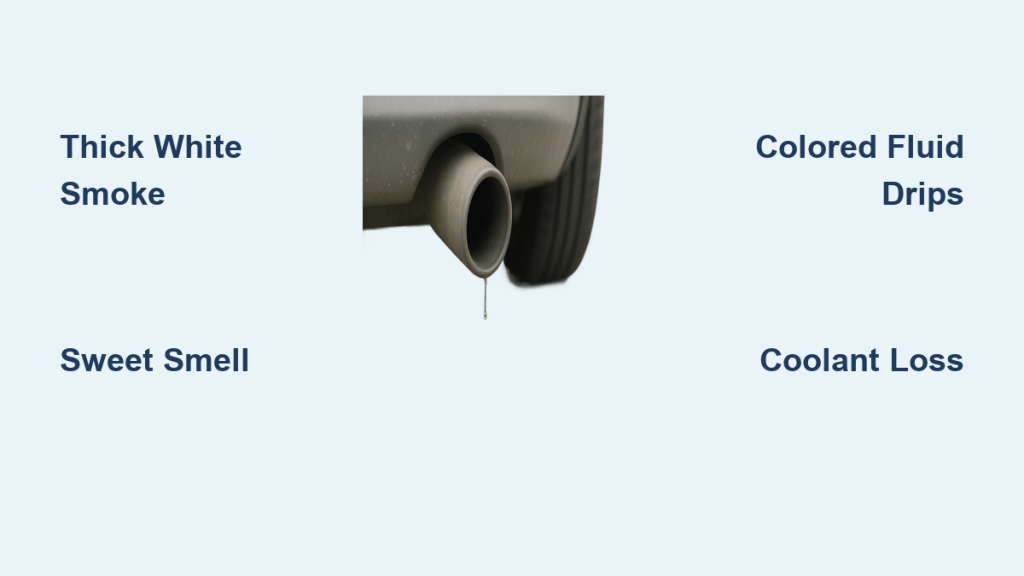
You start your car on a cool morning and notice thick white smoke pouring from the tailpipe. It doesn’t clear up after the engine warms up. You smell something sweet, almost like maple syrup, and realize your coolant reservoir keeps dropping, but there’s no visible leak under the hood. These are classic warning signs that coolant is leaking into the exhaust, a serious mechanical issue that requires immediate attention.
This problem typically stems from a failed head gasket, cracked cylinder head, or cracked engine block that allows coolant to enter the combustion chamber and exit through the exhaust as steam or fluid. Unlike normal condensation, which clears quickly, coolant-related smoke is persistent, pungent, and dangerous if ignored. Left unchecked, it can lead to hydrolock, overheating, piston damage, and complete engine failure.
In this guide, you’ll learn how to accurately diagnose coolant in the exhaust using simple observations, DIY tests, and professional diagnostic tools. You’ll also discover how to differentiate it from other exhaust issues, confirm the root cause, and understand when professional repair becomes essential.
Recognizing the Key Warning Signs
The first step in identifying coolant leaking into your exhaust is learning to spot the distinctive symptoms. These signs often appear gradually and worsen over time, so paying attention to changes in your vehicle’s behavior is crucial.
Thick White Smoke That Persists After Warm-Up
If your exhaust emits dense white smoke that continues well after the engine reaches normal operating temperature, coolant is likely burning in the combustion chamber. This isn’t normal condensation from cold starts. Real coolant smoke appears thick and voluminous, increases under acceleration, and carries a sweet or syrupy smell from ethylene glycol. The intensity often worsens as the engine heats up, distinguishing it from the thin vapor that clears within 30 to 60 seconds during a cold start.
Colored Fluid Dripping From the Exhaust
Seeing green, orange, pink, yellow, or blue fluid dripping from your muffler, resonator, or exhaust joints is a major red flag. This fluid matches your coolant type and feels slightly slick or oily. Unlike water, it doesn’t evaporate quickly and won’t freeze in cold weather due to antifreeze properties. This colored residue collects at low points in the exhaust system where moisture condenses, making it a strong indicator that coolant is traveling through your exhaust pipes.
Unexplained Coolant Loss Without Visible Leaks
If you’re constantly topping off your coolant reservoir but can’t find any external leaks from hoses, radiator, or water pump, the coolant is being burned internally. To confirm this, mark the coolant level when the engine is cold, drive normally without overheating, then recheck the level after the engine cools. A measurable drop confirms internal consumption, likely through the exhaust system.
Primary Causes of Coolant Entering the Exhaust
Understanding what causes this problem helps you target the right repair. The most common culprits involve internal engine damage that creates a pathway between coolant passages and the combustion chamber.
Failed Head Gasket
The head gasket seals the combustion chamber, coolant passages, and oil galleries between the cylinder head and engine block. A breach between a combustion chamber and a coolant passage allows coolant to enter the cylinder during the intake or compression stroke. Common failure triggers include engine overheating, improper head bolt torque, detonation, and thermal cycling over time. Once compromised, the gasket may allow bidirectional leakage, meaning exhaust gases enter the cooling system while coolant enters the combustion chamber.
Cracked Cylinder Head
Severe or repeated overheating can crack a cylinder head, especially if coolant freezes due to improper antifreeze mixture. Aluminum heads are more prone to warping and cracking than cast iron. When a crack intersects both a coolant passage and a combustion chamber, it enables direct coolant flow into the cylinder, which then exits through the exhaust as white smoke.
Cracked Engine Block
Although less common, a cracked engine block represents a more severe problem that often requires engine replacement. Frozen coolant expanding in cylinder walls, extreme thermal stress, or structural fatigue can cause cracks that allow coolant to leak into cylinder bores or combustion areas, leading to expulsion via the exhaust.
DIY Diagnostic Tests You Can Perform
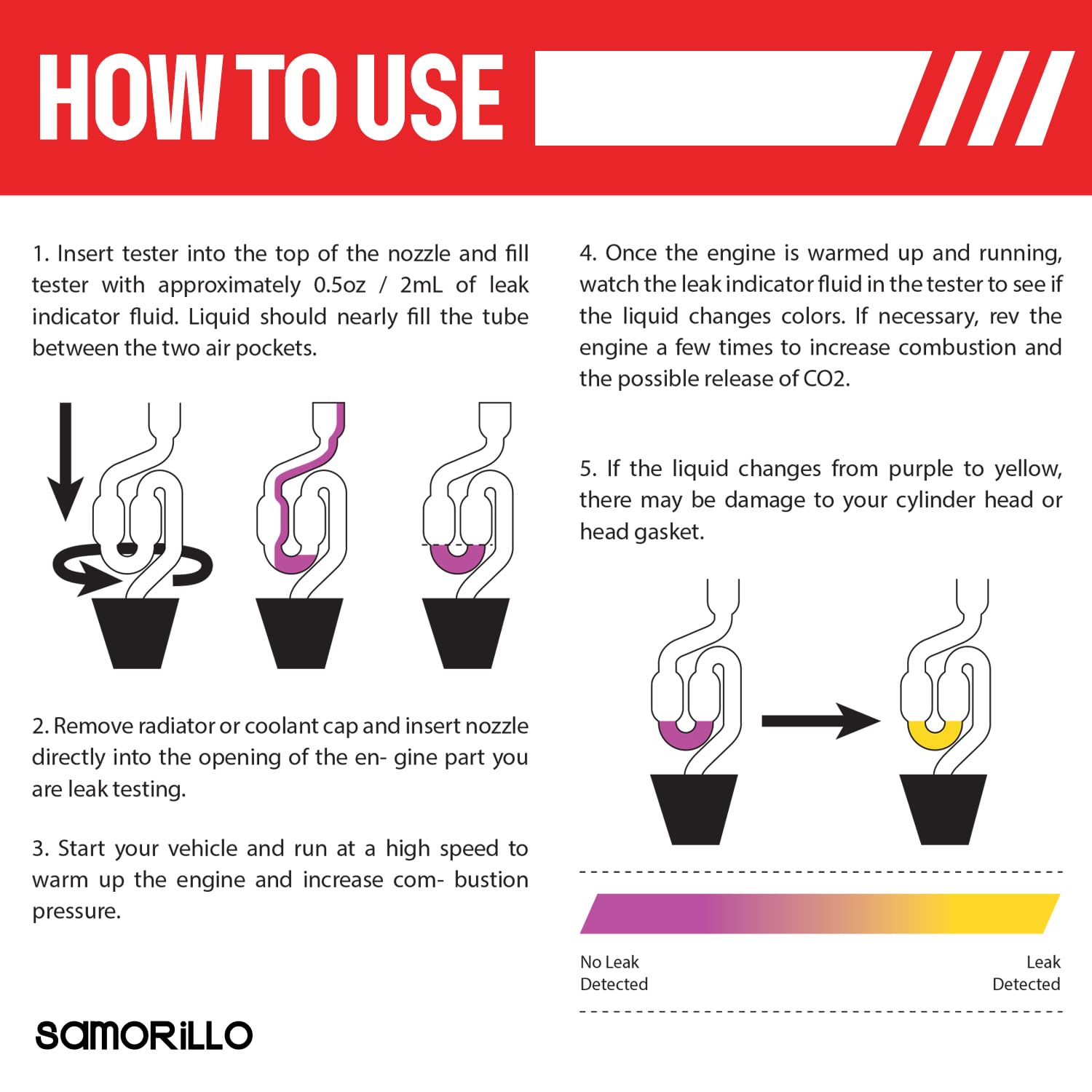
Before heading to a mechanic, several tests can help you confirm whether coolant is indeed leaking into your exhaust. These methods range from simple observations to basic diagnostic tools available at auto parts stores.
The Block Dye Test for Combustion Leaks
This chemical test detects exhaust gases in your coolant, which is the gold standard for diagnosing head gasket failure. You’ll need a combustion leak tester like the Block Tester BT-500 and indicator fluid, typically bromothymol blue. Cool the engine, remove the radiator cap when safe, attach the tester to the radiator neck, fill the chamber with blue indicator fluid, and pump the bulb to draw air from the cooling system through the fluid. A color change from blue to green or yellow indicates a positive result for exhaust gases, confirming a breach that likely allows coolant into the exhaust.
Testing for Bubbles in the Radiator
With the engine off and cool, remove the radiator cap carefully. Start the engine and watch the coolant surface. If you see continuous air bubbles resembling boiling, even at normal operating temperature, combustion gases are entering the cooling system. This two-way failure means if exhaust gases get into the coolant, coolant can certainly get into the combustion chamber and out through the exhaust.
Coolant Pressure Test With Spark Plugs Removed
To confirm coolant is seeping into a cylinder, remove all spark plugs and attach a cooling system pressure tester to the radiator. Pressurize to 15 psi or your vehicle’s specification. Watch the spark plug holes. If coolant squirts out of any cylinder, you’ve found the breach, whether it’s a cracked head or failed head gasket.
Inspecting Spark Plugs for Coolant Evidence
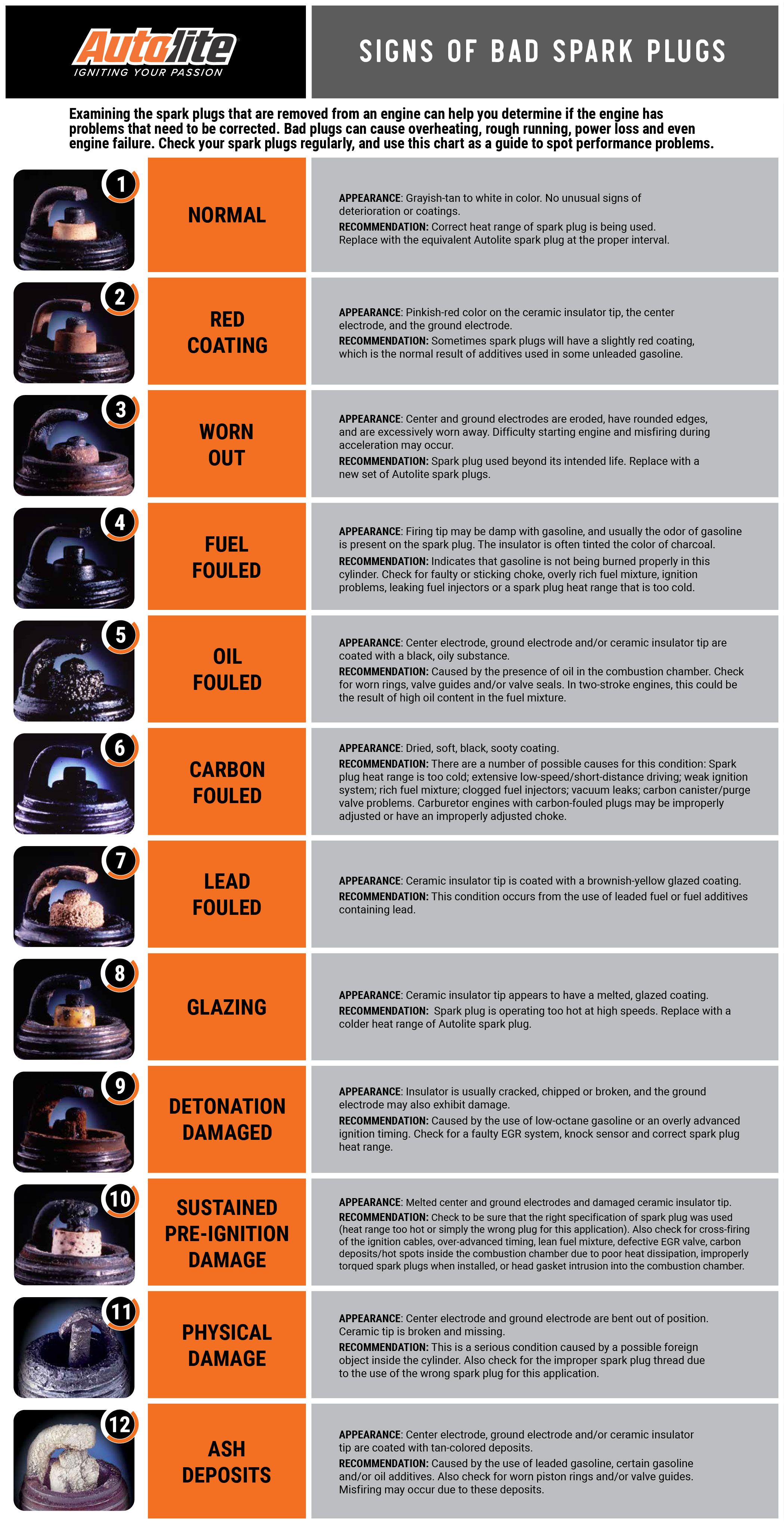
Removing and inspecting spark plugs provides direct visual evidence of coolant entering the combustion chamber. A plug from a cylinder with coolant leakage will show white, chalky, or powdery deposits on the tip. The electrodes will appear clean or steam-washed, lacking the normal carbon buildup found on healthy plugs. You might also notice corrosion on the threads. Comparing affected plugs to others reveals the difference clearly: the compromised cylinder looks unnaturally clean because coolant washes away combustion residue.
Professional Diagnostic Methods
When home tests aren’t conclusive, professional mechanics have access to more advanced diagnostic tools that provide definitive answers.
Borescope Inspection of Cylinders
Inserting a flexible borescope through the spark plug hole allows direct visual inspection of the piston and cylinder wall. Look for unusually shiny or clean piston crowns compared to other cylinders, wet spots or residue, and washed-out carbon patterns. This direct evidence confirms coolant is entering the combustion chamber.
Cylinder Leak-Down Test
This test pressurizes each cylinder at top dead center and listens for air escape. Listen at the radiator neck for bubbling, which indicates a coolant passage breach. Hearing air at the oil filler cap suggests an oil passage leak. Bubbling in the coolant when the cylinder is pressurized provides definitive confirmation that the coolant path is compromised.
Oil Analysis for Hidden Contamination
Even if your oil looks normal, it may contain coolant. Sending a sample to a laboratory like Blackstone Labs for analysis can detect sodium and potassium, elements present in coolant, using ICP spectrometry. Gas chromatography can identify glycol molecules even in trace amounts. This confirms contamination without visible milky oil symptoms.
Differentiating Coolant Smoke From Other Exhaust Conditions
Not all exhaust smoke indicates a coolant leak. Understanding the differences helps you avoid misdiagnosis and unnecessary repairs.
| Condition | Smoke Color | Smell | When It Occurs | Key Difference |
|---|---|---|---|---|
| Normal Condensation | Light white | None | Cold start only | Clears fast, no color, no smell |
| Coolant Leak | Thick white | Sweet | Persistent, under load | Colored fluid, coolant loss |
| Oil Burning | Blue-gray | Acrid | Acceleration, startup | From valve seals or turbo |
| Rich Fuel Mixture | Black | Gasoline | Acceleration | Caused by sensor or injector issues |
The sweet smell and colored fluid dripping from the exhaust are your best indicators that it’s specifically a coolant issue rather than oil or fuel problems.
Checking for Milky or Contaminated Oil
Lift the oil filler cap or inspect the dipstick. If you see milky, frothy, or mayonnaise-like residue, coolant has leaked into the crankcase. This indicates severe head gasket failure or a crack affecting both coolant and oil passages. If oil appears contaminated, do not drive the vehicle. Risk of hydrolock, bearing damage, and engine seizure is severe.
Special Cases: Intake Manifold Gasket Failure
Some engines, particularly GM LS V8s and certain Ford V6s, route coolant through the intake manifold. A failed intake gasket can leak coolant into the intake ports, which then flows into the cylinders and out the exhaust. The key difference is that milky oil typically won’t appear since coolant doesn’t reach the crankcase. White smoke, coolant loss, but clean oil strongly suggests an intake manifold gasket rather than a head gasket failure.
What Comes Next After Confirmation
Never replace a head gasket based on smoke alone. Verify with block testing, leak-down testing, and visual inspection first. Many issues mimic coolant leaks, so accurate diagnosis saves money and prevents unnecessary labor.
Once confirmed, the repair involves removing cylinder heads, inspecting the gasket for burn marks, erosion, or separation, and checking head and block flatness with a straight edge and feeler gauge. Maximum allowable warp is 0.002 inches over 6 inches. The head and block should be pressure tested for cracks. Choose the right repair based on the problem: replace the head gasket and resurface the head if warped, replace or weld a cracked cylinder head, or consider engine replacement for a cracked block.
During reassembly, use new head bolts because torque-to-yield bolts stretch and must not be reused. Follow exact torque sequences and specifications, flush the entire cooling system, refill with 50/50 coolant and water mix, and bleed air thoroughly to prevent overheating.
Preventing Future Coolant Leaks
Monthly coolant level checks catch problems early. Address overheating immediately by shutting down the engine if temperature spikes. Use the correct coolant type for your vehicle, whether OAT, HOAT, or IAT, and never mix coolant types, which can cause gel formation and flow restrictions. Flush the cooling system every 30,000 to 60,000 miles per manufacturer guidelines. Watch for early signs like slight smoke, minor coolant loss, or gurgling noises from the cooling system.
Final Warnings
No stop-leak product fixes a cracked head or blown gasket. These products may temporarily reduce symptoms but can clog radiators or damage catalytic converters. Driving with coolant in the exhaust risks catastrophic failure including hydrolock, warped or cracked heads, seized pistons, and bearing washout. Early diagnosis saves thousands of dollars. A $1,500 head gasket job beats a $5,000 engine replacement.
Frequently Asked Questions About Coolant Leaking Into Exhaust
How can I tell if white smoke is from coolant or just condensation?
Normal condensation appears as thin, light white vapor that clears within 30 to 60 seconds after starting the engine. Coolant-related smoke is thick, persistent, continues after warm-up, and carries a sweet or syrupy smell. If the smoke doesn’t clear or gets worse with acceleration, it’s likely coolant.
Can I drive my car if coolant is leaking into the exhaust?
Driving with this problem is dangerous and can cause catastrophic engine damage. Coolant in the combustion chamber can cause hydrolock, which bends connecting rods or cracks pistons. If you notice the symptoms, stop driving and have the vehicle towed to a mechanic for diagnosis.
What’s the most common cause of coolant entering the exhaust?
A blown or failed head gasket is the most common cause. It seals the combustion chamber and coolant passages between the cylinder head and engine block. When it fails, coolant can leak into the combustion chamber and exit through the exhaust as white smoke.
How much does it cost to repair coolant leaking into exhaust?
Repair costs vary by vehicle and damage severity. A head gasket replacement typically costs $1,000 to $2,500 including labor. A cracked cylinder head may require replacement at $1,500 to $4,000. A cracked engine block often requires engine replacement, which can cost $3,000 to $8,000 or more.
Will using stop-leak products fix this problem?
No reliable chemical additive can repair a blown head gasket or cracked component. Stop-leak products may temporarily reduce symptoms but do not address the root cause. They can also clog radiators, damage water pumps, and harm catalytic converters.
Can a compression test help diagnose this issue?
Yes. A compression test measures pressure buildup in each cylinder during cranking. Low compression in one or more cylinders suggests leakage. More than 15% variation between cylinders indicates a problem. A leak-down test provides even more definitive evidence by pressurizing each cylinder and listening for air escaping into the cooling system.
Key Takeaways for Diagnosing Coolant in Your Exhaust

If you see thick white smoke with a sweet smell, colored fluid dripping from the exhaust, and unexplained coolant loss, coolant is likely leaking into your exhaust. This is not a maintenance issue but a mechanical failure requiring professional repair. Confirm the diagnosis using multiple tests including the block dye test, spark plug inspection, and cylinder leak-down test. Use at least three to four tests together for the most accurate diagnosis. Early detection prevents catastrophic engine failure and expensive repairs. Act quickly when symptoms appear, diagnose accurately, and fix the problem properly. Your engine depends on it.