
If your coolant warning light is on, your engine is at risk. This red or yellow dashboard alert means your vehicle’s cooling system is compromised, potentially leading to overheating, warped parts, or total engine failure. Ignoring it can cost thousands in repairs. The good news? You can diagnose and often fix the issue yourself with basic tools and careful steps. Whether the light is red (overheating), yellow (low coolant), or won’t turn off after refilling, this guide walks you through what’s really going wrong and how to fix it fast, safely, and correctly.
You’ll learn how to check coolant levels, spot leaks, refill properly, reset the system, and troubleshoot persistent lights, especially in sensitive models like Volkswagen and Audi. We’ll also cover what coolant to use, how to avoid air pockets, when to suspect a bad sensor, and how to prevent future problems. No fluff, just actionable steps to get your car running safely again.
Why Your Coolant Light Comes On (and What Each Color Means)
The color of your coolant warning light tells you how urgent the problem is. Do not guess. Act based on what you see on your dashboard.
Red Light Means Stop Driving Immediately
A red coolant light means your engine is already overheating. Continued driving risks catastrophic damage. Pull over safely, turn off the engine, and wait 30 to 60 minutes for it to cool. Never open the radiator cap while hot because pressurized coolant can cause severe burns. Check coolant level, look for obvious leaks, and verify radiator fan operation. The risk includes blown head gaskets, cracked engine blocks, and seized pistons.
Yellow or Amber Light Means Check Coolant Now
This is a warning, not yet an emergency, but it must be addressed immediately. Possible causes include low coolant level, minor leak, failing water pump, or early sensor fault. Avoid heavy acceleration or towing. Check coolant when the engine is cold. Left unchecked, a yellow light turns into a red-light emergency.
Blue Light Means Engine Is Cold
A blue light appears during cold starts, especially in winter. It means coolant is below operating temperature. The light turns off once the engine warms up, typically within 5 to 10 minutes. This is normal behavior and not a problem. If the blue light stays on longer than usual, check the thermostat because it may be stuck open, preventing proper warm-up.
Check Coolant Level Safely in 3 Steps
Low coolant is the most common reason the light comes on. Never skip this step when learning how to fix coolant light issues.
Wait for a Cold Engine
Never open the coolant system when hot. Pressure can cause scalding fluid to erupt and cause serious burns. Wait at least 30 minutes after shutdown, or until the radiator hoses feel cool to the touch.
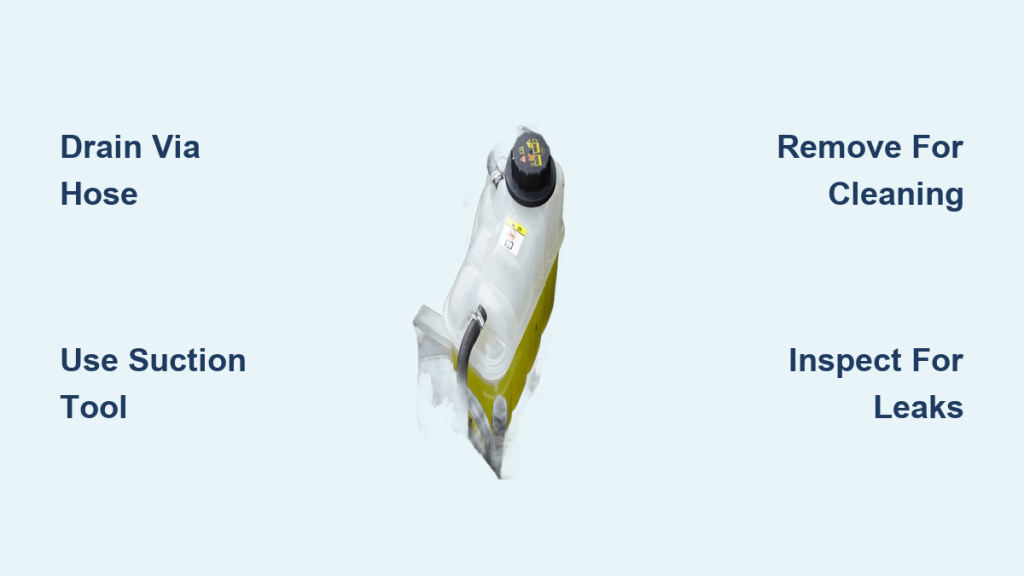
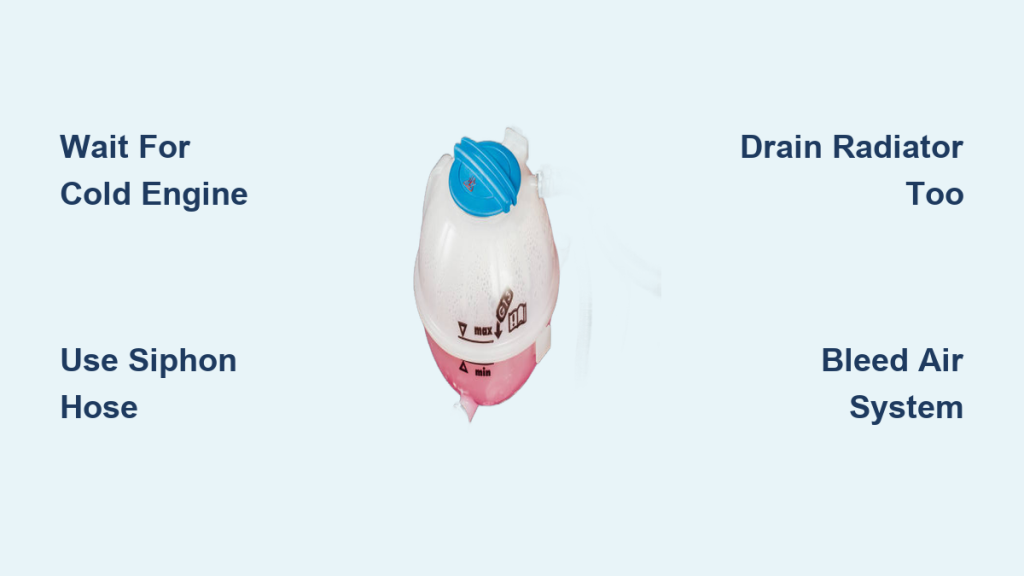
Locate the Expansion Tank
The expansion tank is usually a translucent plastic reservoir near the radiator with Min and Max lines. Some vehicles have a radiator cap instead. Only remove the cap if your vehicle is designed for it and the engine is fully cooled.
Inspect Coolant Level
Look for fluid between the Min and Max marks. If the level is below Min, you have a low-coolant condition. Mark the correct cold-level line with tape for future quick checks.
Find Coolant Leaks Before They Worsen
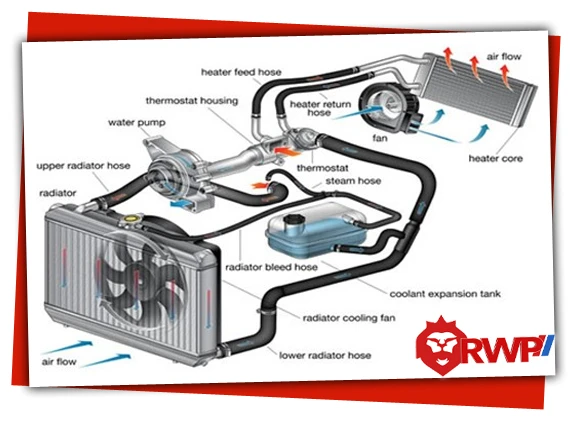
Low coolant usually means a leak. Some leaks are obvious. Others hide in plain sight.
Key Areas to Inspect
Inspect the radiator for cracks, corrosion, or green or pink residue. Check the fins for bent or clogged areas, and inspect plastic end tanks because they are common failure points.
Check the upper and lower radiator hoses and heater hoses. Squeeze them because soft, swollen, or cracked hoses need replacement. Do not forget the hose clamps because loose or corroded ones leak.
Look for drips or stains near the front of the engine at the water pump. Many pumps have a weep hole that leaks when seals fail.
Check inside the cabin for a sweet smell and damp floor on the passenger side because this indicates a heater core leak, which is common in older vehicles.
A weak or damaged radiator cap cannot hold pressure, causing coolant to boil off. Replace the cap every 3 to 5 years or if the seal is cracked.
If you find no visible leak but coolant keeps disappearing, check for milky oil (coolant mixing with oil), white exhaust smoke (coolant burning in the combustion chamber), or bubbling in the coolant tank when the engine runs. These indicate a blown head gasket.
Volkswagen and Audi owners should note that pink G13 coolant leaves white or pink crystalline deposits when it evaporates. Even slow leaks leave traces, so inspect closely.
Choose the Right Coolant for Your Vehicle

Using the wrong coolant can destroy your cooling system. This step is crucial when you fix coolant light problems permanently.
Coolant Types by Manufacturer
Volkswagen and Audi vehicles require G13 (pink) or G48 or G12++ coolants. GM vehicles use Dexcool (orange or pink). Most Japanese vehicles use HOAT (yellow or blue). Older American vehicles use IAT (green).
Never mix coolants. Mixing G13 with green or orange coolant creates sludge that clogs passages and kills water pumps.
Mix 50/50 with Distilled Water
Use 50% coolant concentrate and 50% distilled water unless using pre-mixed coolant. Tap water contains minerals that form scale and cause corrosion. Distilled water ensures purity and proper heat transfer.
In an emergency, only use distilled water temporarily. Replace with the correct mix as soon as possible because water lacks antifreeze and corrosion protection.
Refill Coolant Without Trapping Air
Air trapped in the system causes false readings and overheating. Follow these steps to fix coolant light issues properly.
Step-by-Step Refill Process
Ensure the engine is cold. Remove the reservoir cap. Use a funnel to avoid spills. Fill slowly to just below the Max line. Replace the cap tightly.
Bleed Air from the System
Some vehicles trap air, especially VW and Audi models. Start the engine with the heater on max and the fan high. Let it warm up to operating temperature. Rev the engine slightly at 1500 to 2000 RPM for 30 seconds. Turn off, let cool, recheck the level, and top off if needed.
For advanced bleeding, elevate the front of the vehicle using ramps or jack stands. Remove the radiator cap if safe, run the engine until flow is steady and bubbles stop, then top off and reinstall the cap.
Air pockets cause localized hot spots, false temperature readings, and persistent warning lights.
Fix a Persistent Coolant Light That Will Not Turn Off
You refilled coolant, but the light stays on? The problem is not the level.
Faulty Coolant Level Sensor
The sensor is built into the reservoir cap or bottle in many modern cars, especially VW and Audi models. It degrades over time due to heat and chemical exposure. It sends a false low signal even when the reservoir is full. Fix this by replacing the entire coolant reservoir assembly because the sensor is rarely replaceable alone.
Air in the System
Even small air bubbles block sensor contact. Symptoms include a light that flickers, turns off when driving, and comes back when idle. Bleed the system again to resolve this.
Electrical Issues
Corroded connectors at the reservoir, damaged wiring harness, or ground faults in the sensor circuit can keep the light on. Unplug the sensor connector. If the light goes out, the wiring or sensor is faulty.
Reset the Coolant Warning Light
No reset button exists on most vehicles. The system resets automatically when the issue is fixed.
Conditions for Auto-Reset
The coolant level must be above the sensor threshold. No air blocks the sensor. The sensor and wiring are functional. The engine has been cycled (turned off and on).
Manual Reset Methods
Use an OBD2 scanner to clear coolant-related codes like P0217, P0128, or P0116. Restart the engine, and the light should stay off if the problem is resolved.
Some models require holding the trip or reset button while turning the key to On (not start). Wait for the display to cycle, which may clear stored warnings. Check your owner’s manual for the exact procedure.
Certain VW and Audi modules need VCDS or ODIS software to recalibrate after sensor replacement. This may require a visit to a specialist.
Replacing the reservoir with a new OEM sensor unit often clears the light permanently.
When to Call a Mechanic
Some issues need professional tools. Get help if coolant disappears with no visible leak (possible head gasket), milky oil or white exhaust smoke appears, the engine overheats repeatedly after refill, or an OBD2 scanner shows P0115 to P0118 (temperature sensor fault).
Mechanics can pressure-test the system to find hidden leaks. They can also perform a block test to check for combustion gases in coolant, confirming head gasket failure.
Key Takeaways for Fixing Your Coolant Light
.png?width=684&height=1711&name=Vehicle%20Warning%20Lights%20(1).png)
A red light means engine emergency. Stop immediately. A yellow light means warning. Check coolant now. Never drive long-term without coolant because you risk total engine failure.
Use the right coolant type, especially in VW and Audi vehicles. Low coolant means a leak or sensor issue, so topping off is not enough. A persistent light after refill likely means a bad sensor or air pocket.
The reset happens automatically when the problem is fixed. Prevent problems with regular checks and coolant flushes every 2 to 5 years.
Ignoring the coolant light is one of the fastest ways to destroy an engine. Ten minutes of inspection today can save $3,000 in repairs tomorrow. Act fast, act safely, and keep your engine protected.
Frequently Asked Questions About Fixing Coolant Light
How do I know if my coolant light is serious?
A red coolant light indicates immediate danger and requires you to stop driving. A yellow or amber light is a warning that demands inspection. A blue light during cold starts is normal. If the light stays on after refilling coolant, suspect a faulty sensor or air in the system.
Can I drive with the coolant light on?
Do not drive if the light is red because you risk catastrophic engine damage. A yellow light allows short distances to reach a safe location or repair shop, but avoid heavy loads or towing. Address the issue immediately regardless of color.
Why does my coolant light stay on after filling?
The sensor may be faulty and sending a false low signal. Air trapped in the system can also interfere with proper readings. Electrical issues like corroded connectors or damaged wiring keep the light on. Try bleeding the system first, then replace the coolant reservoir if the problem persists.
What happens if I ignore the coolant warning light?
Ignoring the light leads to engine overheating. This causes warped cylinder heads, blown head gaskets, cracked engine blocks, and ultimately total engine failure. Repair costs can exceed $3,000. Early intervention prevents these expensive problems.
How often should I replace coolant?
Follow your owner’s manual, but generally replace coolant every 2 to 5 years or 30,000 to 100,000 miles. VW and Audi vehicles typically require replacement every 4 years or 60,000 miles. Regular flushing removes debris and restores corrosion protection.