
Seeing the blue coolant light stay on while driving can be confusing, especially when your engine doesn’t feel overheated. Unlike red warning lights, the blue coolant light isn’t an emergency, but it signals that your engine isn’t reaching optimal operating temperature. This guide explains exactly why the light stays on, how to diagnose the real cause, and what fixes actually work.
You’ll learn the most common culprits, step-by-step diagnostic procedures, and proven repair methods. Whether it’s a stuck thermostat or low coolant, you’ll have a clear path to resolving the issue and getting your heater working again.
Why the Blue Coolant Light Stays On
Normal vs. Problematic Behavior
The blue coolant light is a cold engine indicator, not a fault light. It activates when the engine coolant temperature sensor detects temperatures below approximately 120°F. In cold weather, it’s normal for the light to stay on for several minutes. However, if it remains illuminated after 5 to 10 minutes of driving, something is preventing your engine from warming up properly.
Normal behavior includes the light coming on at startup and turning off within 1 to 3 minutes once the engine reaches operating temperature. Problematic behavior includes the light staying on during highway driving, the heater blowing lukewarm or cold air, and coolant temperature readings remaining low on a scan tool. If the light turns blue while driving in warm conditions or after the engine should be warm, investigate immediately.
How Your Cooling System Should Work
Your engine needs to reach 195°F to 220°F for efficient combustion and emissions control. The thermostat stays closed when the engine is cold, allowing it to warm up quickly. Once the coolant hits approximately 180°F to 195°F, the thermostat opens, allowing coolant to flow through the radiator. The engine coolant temperature sensor monitors this process and tells the dashboard when to turn off the blue light. If any part fails, the system thinks the engine is still cold even when it is not.
Most Common Causes of Blue Coolant Light
Thermostat Stuck Open
A stuck-open thermostat is the number one reason the blue coolant light won’t turn off. When the thermostat fails in the open position, coolant circulates through the radiator too early, preventing the engine from warming up properly.
Common symptoms include the engine taking 15 minutes or longer to warm up, heater blowing lukewarm or cold air, and OBD2 scan showing coolant temperature stuck below 140°F. A confirmed fix came from a 2010 Subaru Forester with persistent blue light and poor heat. After replacing the thermostat, coolant temperature jumped from 110°F to 170°F and the blue light turned off within 3 minutes.
Low Coolant Level
Not enough coolant means less heat retention. The system cannot build or maintain temperature, so the blue light stays on. The heater core is the highest point in the cooling system, so low coolant causes no circulation there first, resulting in a cold cabin.
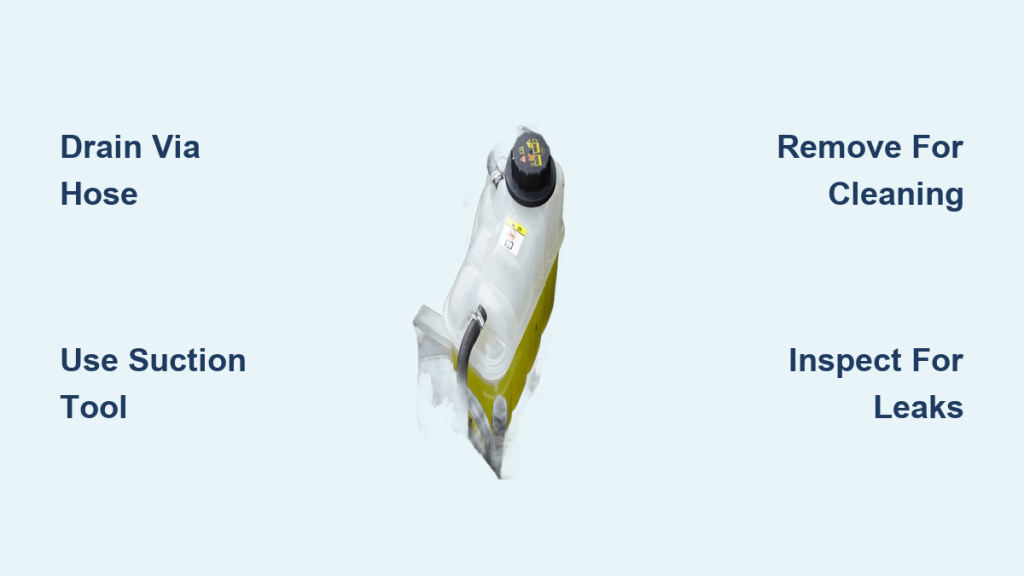
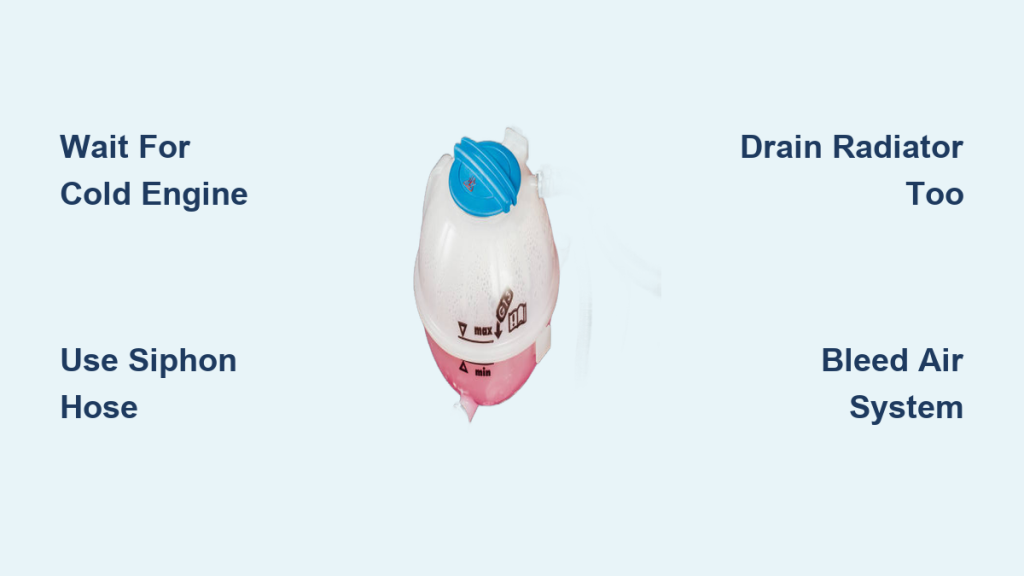
Check the overflow tank when the engine is cold. Top off to the “Low” mark if needed. Look under the car for puddles or white crust on hoses, which indicate leaks.
Air Locks in the Cooling System
Air trapped in the system blocks coolant flow and creates false low-temperature readings. This commonly occurs after coolant changes or thermostat replacements, especially on vehicles with complex cooling system plumbing.
Signs of an air lock include a gurgling noise from the dashboard, fluctuating temperature gauge, and heater that works only at high RPM. Perform a proper burp procedure to resolve this.
Faulty Engine Coolant Temperature Sensor
A malfunctioning sensor can send incorrect low-temperature signals to the ECU. However, if cabin heat works normally when the engine is warm, the sensor is likely accurate. Use an OBD2 scanner to read live coolant temperature data and compare it with actual engine warmth.
Diagnose the Blue Coolant Light Problem
Check Coolant Level and Hoses
Start simple. With the engine cold, remove the radiator cap or check the overflow tank. Fill to the “Low” mark if cold or “High” if warm. Squeeze the upper radiator hose. It should feel firm when hot and soft when cold. If it stays soft or spongy, air or a leak is likely.
Warning: Never open the radiator cap on a hot engine because pressure can cause scalding.
Use an OBD2 Scanner
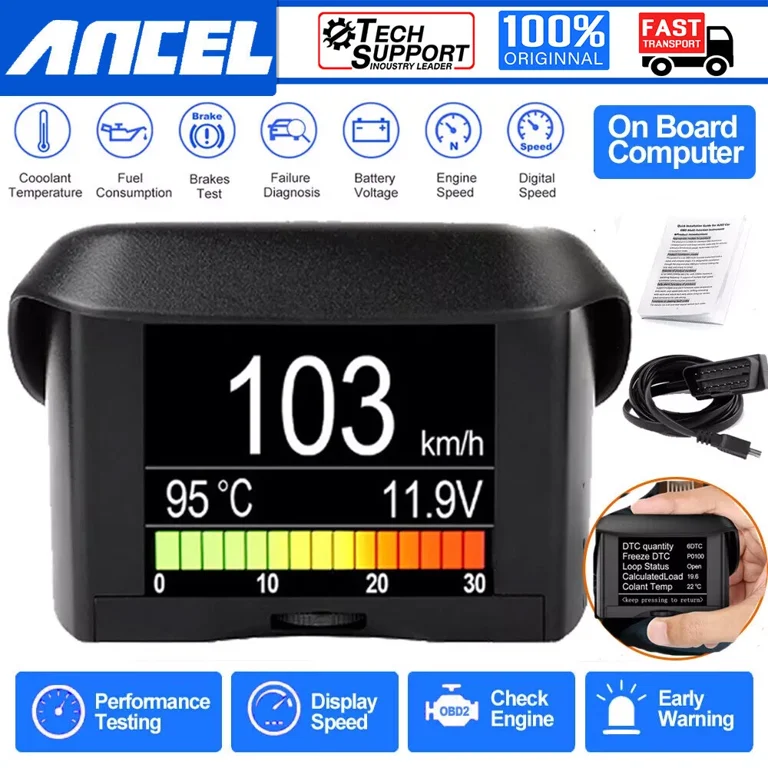
A $30 OBD2 tool can read live coolant temperature data, which is the fastest way to confirm if your engine is actually cold. Plug in the scanner, start the engine, and watch the coolant temperature rise. Normal behavior shows temperature climbing steadily to 195°F to 220°F in 5 to 10 minutes. Problematic behavior shows temperature stalling below 150°F, which likely indicates a thermostat stuck open.
Check for diagnostic trouble codes. Code P0128 indicates the thermostat is below regulating temperature, which almost always points to a bad thermostat. Codes P0117 and P0118 indicate ECT sensor circuit issues.
Test the Thermostat
Remove the thermostat and test it in boiling water. Place the thermostat in a pot of water and insert a thermometer. Heat the water and observe the behavior. The thermostat should start opening at 180°F to 195°F and be fully open by 200°F to 210°F. If it does not open or opens too early, replace it. Use the correct temperature rating, which is usually 195°F.
Bleed Air from the System
Air pockets prevent proper circulation. To burp the system, park on a slight incline with the front higher. Remove the radiator cap while the engine is cold. Start the engine and let it idle. Rev the engine to 2,000 to 3,000 RPM three to five times. Watch for bubbles in the radiator and add coolant as needed. Reinstall the cap and check the overflow level.
Pro tip: Use a coolant filling funnel, also called a burp bottle, for faster and more effective bleeding, especially on Subarus.
Fix the Blue Coolant Light
Replace the Thermostat
This is the most common and effective fix. You will need a wrench or socket set, a new thermostat and gasket, and 50/50 coolant mix.
Drain the coolant below the thermostat housing level. Remove the housing bolts and extract the old thermostat. Clean the housing surface. Install the new thermostat with the spring side facing toward the engine. Replace the gasket or apply sealant. Reinstall the housing, refill the coolant, and bleed the air by revving the engine and checking for bubbles.
Subaru tip: On many models, the thermostat is on the lower intake, accessible from the top with a 10mm deep socket.
Refill and Bleed Correctly
Using the wrong coolant or improper fill technique can cause air locks. Use manufacturer-recommended coolant, such as Subaru blue coolant for Subarus or Honda blue for Hondas. Mix 50% coolant with 50% distilled water. Fill the radiator directly while the engine runs. Rev the engine periodically to dislodge air. Top off the overflow tank to the “High” mark when warm.
Avoid over-tightening the radiator cap or using tap water, which causes corrosion.
Repair Coolant Leaks
If coolant level drops repeatedly, find and fix the leak. Common sources include the radiator (cracks or seepage at seams), hoses (swollen, brittle, or leaking at clamps), water pump (leaking from weep hole or bearing noise), and heater core (sweet smell in cabin, wet floor mats). Replace the faulty part. For internal leaks like head gaskets, seek professional help. Symptoms include milky oil or white exhaust smoke.
Real Case Study: Fixing Blue Light on 2010 Subaru Forester

A 2010 Subaru Forester presented with the blue coolant light staying on at 50 mph, cabin heat failing after 10 minutes, and no overheating but poor fuel economy. Initial attempts to add coolant showed no improvement. An OBD2 scan revealed coolant temperature stuck at 110°F. Testing confirmed the thermostat was stuck open.
The repair involved replacing the thermostat, refilling with half a gallon of 50/50 coolant, and burping the system using the incline method. The result was the blue light turning off in under 3 minutes, the engine reaching 170°F in 14.5 minutes, and heater restoration to full heat. The lesson is clear: always verify with live data rather than guessing.
Preventing the Blue Coolant Light from Returning
Regular Coolant Checks
Check coolant level monthly with the engine cold. Look for the level to be between “Low” and “High,” bright color without rust, sludge, or oil contamination. Top off if low and investigate why.
Flush Coolant on Schedule
Old coolant loses corrosion inhibitors and can clog passages. Flush every 30,000 to 60,000 miles or every 2 to 3 years. After flushing, always bleed the system because air is the number one post-flush issue.
Avoid Short Trips
Frequent short drives prevent the engine from warming up fully, keeping the blue light on. Take longer drives occasionally. In cold climates, use a block heater to speed warm-up. This reduces wear and improves fuel efficiency.
Upgrade Key Components
Prevent repeat failures with better components. Recommended upgrades include a high-quality thermostat from brands like Stant, Gates, or OEM, silicone radiator hoses for more durability than rubber, and testing the radiator cap because a weak cap leads to poor system pressure and air ingress. A $10 radiator cap test can prevent a $200 repair.
When to Call a Mechanic
Seek professional help if the blue light persists after thermostat replacement and bleeding, coolant disappears with no visible leak (possible head gasket), OBD2 shows multiple codes or erratic ECT readings, or the engine overheats after the fix, which indicates a deeper issue. Internal leaks or complex air pockets may require vacuum fill tools or pressure testing.
Key Takeaways for Fixing Blue Coolant Light
| Cause | Symptom | Fix |
|---|---|---|
| Thermostat stuck open | Light on, cold heater, low temp reading | Replace thermostat |
| Low coolant | Soft hoses, poor heat, light on | Top off, find leak |
| Air in system | Gurgling, fluctuating temp | Bleed cooling system |
| Bad ECT sensor | Light on despite warm engine | Scan data, replace sensor |
| Short trips | Light on intermittently | Drive longer, use block heater |
Frequently Asked Questions About Blue Coolant Light
Why does my blue coolant light stay on after starting my car?
It is normal for the blue coolant light to stay on for 1 to 3 minutes after starting because the engine is cold and warming up. If it stays on for more than 5 to 10 minutes while driving, your engine is not reaching operating temperature, which indicates a problem with the thermostat, coolant level, or air in the system.
Can I drive with the blue coolant light on?
Driving with the blue coolant light on is generally safe but not ideal. Prolonged operation below optimal temperature reduces fuel efficiency, increases emissions, and causes long-term engine wear. Avoid aggressive driving until the engine warms up and address the underlying issue promptly.
How much does it cost to fix a blue coolant light?
The most common fix is replacing the thermostat, which costs $100 to $300 for parts and labor. Topping off coolant is free if you do it yourself. Bleeding the system is also free with basic tools. More complex repairs like fixing a head gasket can cost $1,000 or more.
Does the blue coolant light mean my engine is overheating?
No. The blue coolant light indicates the engine is too cold, not too hot. A red coolant light or temperature gauge in the red zone indicates overheating. The blue light is a cold engine indicator and a signal that your engine has not reached operating temperature yet.
Will adding coolant fix the blue light?
It might, if low coolant is the cause. Check the overflow tank when the engine is cold and top off to the “Low” mark if needed. If the light still does not turn off after the engine warms up, the issue is likely a stuck thermostat, air in the system, or a faulty sensor.
How do I know if my thermostat is stuck open?
Symptoms of a stuck-open thermostat include the engine taking 15 minutes or longer to warm up, the heater blowing cold or lukewarm air, and coolant temperature readings remaining below 140°F on a scan tool. An OBD2 scan showing code P0128 also confirms a thermostat problem.
Final Thoughts on Fixing Blue Coolant Light
The blue coolant light is a warning, not a crisis, but ignoring it leads to poor performance, higher emissions, and long-term engine wear. Most fixes are straightforward: replace the thermostat, top off coolant, or bleed air from the system. Use an OBD2 scanner to confirm the real temperature rather than guessing. With the right diagnostic steps, you can fix the blue coolant light in under an hour and get your heater and engine back to normal operation.