Your engine runs hot, the temperature gauge climbs into the red, and you smell something burning. Could your radiator fan be to blame? A failing or non-working radiator fan is a silent threat that can lead to catastrophic engine damage within minutes if ignored. Unlike other cooling issues, this one often strikes when you’re idling or stuck in traffic, leaving you stranded.
This guide breaks down the most common warning signs, from thermal and auditory to electrical and performance-related. You’ll learn what to look for, how to test the system, and what steps to take next. From overheating engines to strange noises and AC troubles, we cover every red flag backed by technical data and real-world diagnostics.
Engine Overheats in Traffic

When your car overheats primarily at low speeds or while idling, the radiator fan is likely at fault. At highway speeds, natural airflow cools the radiator enough to maintain temperature, masking the issue. But in stop-and-go traffic, the electric fan must activate to pull air through the radiator. Without it, heat builds rapidly.
The coolant can’t dissipate thermal energy efficiently, causing the engine temperature to spike within minutes. If the gauge reaches the red zone during city driving but normalizes on the highway, suspect fan failure. This pattern is a hallmark of symptoms of radiator fan not working and should trigger immediate inspection.
Overheating Without Obvious Leaks
If you’re frequently topping off coolant but see no visible leaks, excessive heat from a non-functional fan may be boiling off fluid. High internal pressure forces coolant into the overflow tank or past weak seals, leading to gradual loss. This creates a vicious cycle where low coolant worsens overheating, which further stresses the system.
Check the coolant reservoir level when the engine is cool. Consistently low levels without external dripping point to thermal expansion and evaporation due to poor cooling. Never open the radiator cap on a hot engine, as pressurized steam can cause severe burns.
Steam or Burning Smells Under the Hood
Visible steam or vapor after shutting off the engine signals boiling coolant. Combined with a sweet, pungent odor from antifreeze, this is a clear emergency. Additional smells like burning plastic, rubber, or electrical insulation indicate overheated components near the engine bay.
These odors often come from melting wiring harnesses, degraded hoses, or warped plastic parts near the radiator. If you detect any of these signs, pull over immediately. Continuing to drive risks warping cylinder heads, blowing head gaskets, or seizing the engine.
Temperature Gauge Stays High
A dashboard temperature gauge that remains elevated, even after warm-up, is a direct indicator of cooling system trouble. In normal operation, the needle stabilizes in the middle range once the thermostat opens and coolant circulates. If it climbs toward the red zone and stays there, the radiator fan isn’t doing its job.
Some vehicles display false high readings due to a faulty temperature sensor. But when paired with real-world symptoms like heat under the hood or AC issues, the problem is likely mechanical or electrical.
Gauge Enters Red Zone at Idle
If the needle hits the red zone only when idling, such as at traffic lights or drive-thrus, the lack of forced airflow is the culprit. The radiator fan should engage automatically when coolant reaches 200 to 220°F (93 to 104°C). If it doesn’t, the engine loses its primary cooling aid during low-speed operation.
This symptom is especially dangerous in summer or hilly terrain, where thermal load increases. Even short idling periods can push temperatures beyond safe limits. Monitor the gauge closely and shut the engine off before damage occurs if it rises steadily while stationary.
Fan Fails to Turn On

A completely still fan, even when the engine is hot, confirms a failure. After driving for 15 to 20 minutes, pop the hood carefully and look at the fan behind the radiator. If the engine is warm and the fan isn’t spinning, something in the system has failed.
Most modern vehicles use electric fans controlled by the ECU via a temperature sensor. The fan should activate based on coolant heat or AC demand. No movement means either power isn’t reaching the motor, the motor is dead, or the control signal is missing.
Fan Doesn’t Activate With AC
Turn on the air conditioning to maximum cool. In nearly all vehicles, this forces the radiator fan to run, even if the engine isn’t hot, because the AC condenser needs airflow to release heat. If the fan remains off, the issue is likely electrical, such as a blown fuse, faulty relay, or dead motor.
This simple test helps isolate the problem. If the fan runs when you turn on the AC, the motor is likely good. If it doesn’t, the circuit needs testing.
Manual Check After Engine Warm-Up
Wait until the engine reaches normal operating temperature, usually 5 to 10 minutes of driving. Then park safely and turn off the engine. Once cooled, inspect the fan assembly:
- Check whether blades are intact and free of debris
- Look for cracks or looseness in the shroud
- Verify wires are connected and undamaged
Do not attempt to spin the fan by hand while the engine is running. For mechanical fans that are belt-driven, ensure the clutch isn’t seized. For electric fans, any physical obstruction like leaves or plastic bags can prevent rotation or cause imbalance.
Strange Noises From Fan Area
Unusual sounds from the front of the engine bay often point to mechanical fan failure. Grinding, squealing, rattling, or clicking noises when the fan runs, or tries to run, signal internal damage.
These aren’t subtle hints. They’re urgent warnings. Ignoring them can lead to complete motor failure, blade detachment, or damage to surrounding components.
Grinding or Whining Sounds
A loud grinding noise usually means worn-out motor bearings. As they degrade, friction increases, causing the motor to struggle or seize. A high-pitched whine may indicate an electrical short or voltage irregularity in the motor windings.
Both sounds often worsen over time. You might hear them only during startup or shutdown, when the motor is under the most stress. If the noise stops but the fan doesn’t spin, the motor may be burned out.
Rattling or Vibration While Running
A rattling sound or noticeable vibration suggests physical imbalance. Common causes include:
- Bent or broken fan blades
- Loose mounting bolts
- Debris caught in the shroud
- Warped blade assembly
Even a small imbalance can cause excessive wear on the motor and damage nearby hoses or wiring. Inspect the fan visually and remove any obstructions. Replace damaged blades or the entire assembly if warped.
Air Conditioning Loses Cooling Power

Your AC blowing warm air, especially while idling, is a hidden clue your radiator fan isn’t working. The same fan that cools the radiator also cools the AC condenser located just in front of it. Without airflow, heat can’t escape from the refrigerant, reducing cooling efficiency.
You may notice:
- AC works fine at highway speeds but fails in traffic
- Compressor cycles off due to high pressure
- Cabin air gets warmer the longer you idle
This symptom often appears before severe overheating, making it an early warning sign. If your AC performance drops in hot weather and the engine runs hot, suspect the cooling fan.
AC Triggers Fan but It Doesn’t Run
Since the AC system is wired to force fan operation, this is a critical diagnostic clue. If turning on the AC doesn’t activate the fan, the issue isn’t sensor-based. It’s in the power delivery or motor.
Check the fan relay and fuse first. A simple relay swap, if identical elsewhere in the fuse box, can confirm if it’s the culprit. If the fan still doesn’t run, test for voltage at the motor connector.
Electrical Issues and Warning Lights
Modern vehicles rely on sensors and relays to control the radiator fan. Electrical faults can disable the fan even if the motor is healthy. Warning lights and diagnostic trouble codes help pinpoint the issue.
Check Engine Light With Overheat Code
The ECU monitors engine temperature continuously. If it detects abnormal readings like rapid overheating or a stuck sensor, it may trigger the Check Engine Light. Common codes include:
- P0128: Coolant thermostat malfunction
- P0118: Engine coolant temperature sensor circuit high
- P0480: Fan relay 1 control circuit
Use an OBD2 scanner to retrieve codes. While not all point directly to the fan, they help narrow down whether the issue is thermal, electrical, or sensor-related.
Blown Fuse or Faulty Relay
The fan circuit is protected by a fuse and controlled by a relay. A blown fuse cuts power completely. A stuck relay can leave the fan off or running nonstop.
To test:
- Locate the fuse box under the hood or dash.
- Find the radiator fan fuse using the owner’s manual.
- Remove and inspect, then replace if the metal strip is broken.
- Swap the fan relay with an identical one, such as a horn relay, to test.
If the fan starts after swapping, the relay was faulty. If not, check for power at the fuse and relay terminals using a multimeter.
Fan Runs Constantly or Erratically
A fan that never turns off, or cycles on and off unpredictably, indicates a control system failure. This isn’t normal and can drain your battery or overcool the engine.
Fan Runs All the Time, Even Cold
If the fan spins immediately after starting a cold engine and won’t stop, the relay may be stuck closed or the temperature sensor is sending a false “hot” signal. This wastes power and can cause:
- Premature fan motor wear
- Battery drain when parked
- Poor engine warm-up in winter
Replace the coolant temperature sensor or fan relay to resolve. Test the sensor’s resistance with a multimeter. It should change predictably with temperature.
Intermittent or Random Cycling
Erratic on-off behavior suggests loose wiring, corrosion, or a failing motor. The fan may start, stop, then restart without temperature changes. This reduces cooling efficiency and stresses electrical components.
Inspect connectors at the fan motor, relay, and ECU. Look for:
- Green or white corrosion
- Burnt terminals
- Loose pins
Clean connections with electrical contact cleaner and reseat firmly. If the problem persists, the motor or control module may be failing.
How to Test the Radiator Fan
Before replacing parts, verify the problem with simple tests. You can diagnose most fan issues with basic tools and observation.
Bypass Test to Check Motor Function
This test applies direct power to the fan motor to confirm if it’s alive.
Steps:
- Locate the fan motor connector and unplug it.
- Use jumper wires to connect the motor terminals directly to a 12V power source like the battery.
- Keep hands, tools, and clothing clear, as the fan can spin suddenly.
If the fan spins, the motor is good and the problem is in the control circuit such as the sensor, relay, or wiring. If it doesn’t, the motor is dead and needs replacement.
Multimeter Test for Power and Continuity
Use a multimeter to check for voltage and continuity:
- Test fuse: Set to DC voltage. Place one probe on each end. About 12V on both sides means good. 0V on one side means blown.
- Test motor: Set to ohms. Connect probes to motor terminals. No continuity means open circuit, which indicates a dead motor.
- Test sensor: Measure resistance across sensor terminals. Compare to specs, as resistance should decrease as temperature rises.
These tests isolate whether the issue is power supply, motor, or sensor.
What Causes Fan Failure?
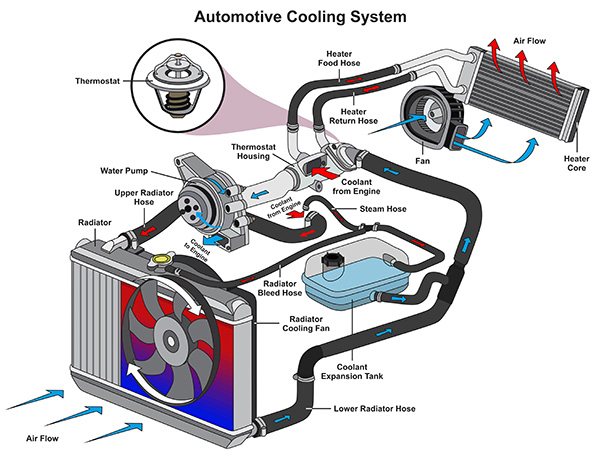
Knowing the root cause prevents repeat failures. The most common culprits are:
- Fan motor burnout, which is the most common cause
- Blown fuse from electrical overload
- Stuck or failed relay
- Faulty coolant temperature sensor
- Wiring damage or corrosion
- Low coolant level causing false readings
- Thermostat stuck closed, preventing proper flow
Refer to the diagnostic table below:
| Component | Failure Sign | Test Method |
|---|---|---|
| Fan Motor | No spin, grinding noise | Bypass test, continuity check |
| Fuse | No power to circuit | Visual or multimeter test |
| Relay | Fan off or on constantly | Swap with known good relay |
| Temperature Sensor | Fan never activates | Resistance test with multimeter |
| Wiring | Intermittent operation | Inspect for breaks or corrosion |
| Coolant Level | Erratic fan, overheating | Check reservoir when cold |
What to Do If Fan Fails
If you suspect fan failure, act quickly to avoid engine damage.
Immediate Safety Steps
- Pull over if the temperature gauge enters the red zone.
- Turn off the engine and do not keep driving.
- Wait for the engine to cool, at least 30 to 60 minutes.
- Do not open the radiator cap while hot.
- Inspect visually for broken blades, debris, or disconnected wires.
Can You Drive With a Bad Fan?
Only in limited cases:
- Short distance under 5 miles
- Light traffic
- Constantly monitoring the temperature gauge
- Driving at steady highway speeds for ram-air effect
If the gauge rises, stop immediately. Towing is the safest option for long distances or city driving.
Repair Costs and Prevention
Replacing a radiator fan assembly typically costs $200 to $500, including labor. Costs vary by vehicle, with dual-fan systems or complex access areas increasing the price.
Cost-Saving Tips
- Replace just the motor if the shroud is intact
- Swap relays or fuses yourself, often under $20 in parts
- Clean debris instead of replacing parts
Prevent Future Failures
- Inspect the fan during oil changes, looking for cracks, debris, and wear
- Keep the radiator clean using compressed air to blow out leaves and bugs
- Change coolant on schedule to prevent corrosion and sensor failure
- Check electrical connections annually for corrosion
Frequently Asked Questions About Symptoms of Radiator Fan Not Working
What are the first signs of a failing radiator fan?
The earliest signs include engine overheating at idle or in traffic, the temperature gauge climbing toward the red zone, and the AC blowing warm air when stationary. You may also notice the fan not spinning even when the engine is hot.
Can I drive with a broken radiator fan?
You can drive short distances under 5 miles at highway speeds where natural airflow helps cool the radiator. However, avoid idling or stop-and-go traffic. If the temperature gauge rises, pull over immediately to prevent engine damage.
How do I test if my radiator fan is working?
Start the engine and let it reach operating temperature. The fan should activate automatically between 200 and 220°F. You can also turn on the AC to maximum cool, which forces the fan to engage. If it doesn’t spin in either case, test the fuse, relay, and motor.
Why does my car overheat only at idle?
At idle, there’s no natural airflow through the radiator. The electric fan must pull air to cool the coolant. If the fan fails, heat builds rapidly. At highway speeds, ram-air effect masks the problem, which is why overheating appears only at low speeds.
How much does it cost to fix a radiator fan?
Replacing a radiator fan assembly typically costs $200 to $500 including labor. If only the relay, fuse, or sensor needs replacement, costs are much lower, often under $50 in parts.
What causes a radiator fan to stop working?
Common causes include a burned-out fan motor, blown fuse, faulty relay, bad temperature sensor, or damaged wiring. Low coolant levels and a stuck thermostat can also trigger fan-related symptoms.
Key Takeaways on Symptoms of Radiator Fan Not Working
A failing radiator fan is a ticking time bomb for your engine. The most critical warning signs include overheating at idle, the temperature gauge entering the red zone, the fan not spinning when hot, strange grinding noises, and AC losing cooling power. Electrical symptoms like a blown fuse, faulty relay, or Check Engine Light with cooling codes also point to fan trouble.
If you notice any of these symptoms, test the system immediately using the bypass and multimeter methods described above.