Adding coolant the old way often leaves air pockets that lead to overheating, poor heater performance, or even engine damage. A coolant funnel solves this by sealing to your radiator or reservoir, letting you refill cleanly while purging trapped air with the engine running. This method is especially critical on modern vehicles where air gets stuck in high points like the heater core or engine block.
Using a coolant funnel is not just about avoiding spills. It ensures your cooling system works as designed, giving you better temperature control, preventing premature water pump wear, and catching serious issues like head gasket failure early. In this guide, you will learn exactly how to use a coolant funnel step by step, avoid common mistakes, and understand why it is a must-have tool for any coolant service.
Choose the Correct Adapter for Your Vehicle

Match Funnel to Radiator Neck Size
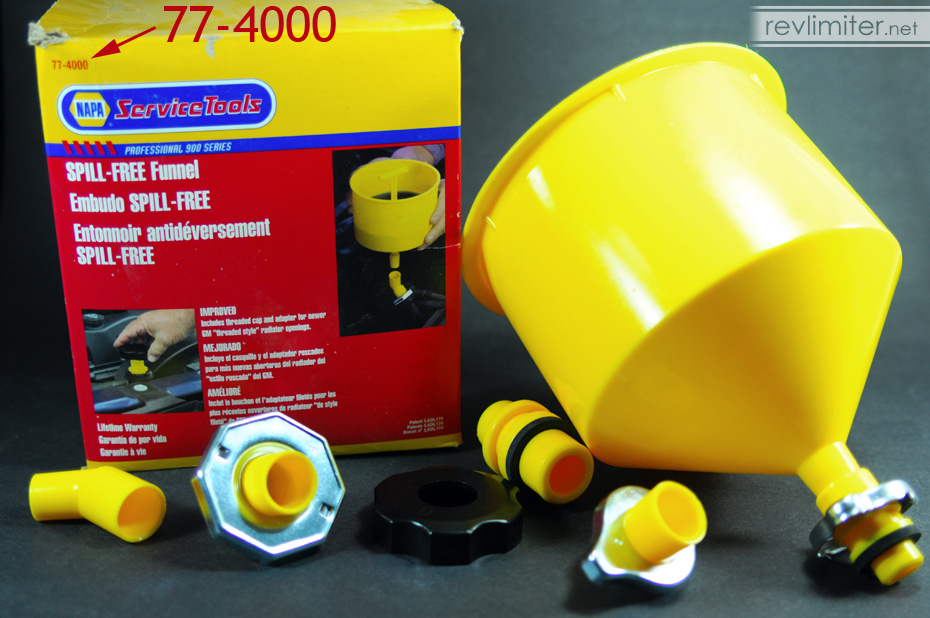
Coolant funnels come with multiple rubber adapters to fit different radiator or reservoir openings. Before attaching anything, identify the correct size for your vehicle. Common diameters include 38mm, 42mm, and 48mm. Refer to your kit guide or test-fit each adapter until one seats snugly without gaps.
Use the rubber gasket side down to create an airtight seal. If your filler neck is recessed or angled, add a straight or angled extension from the kit to ensure proper alignment. Never force an adapter. It should press in smoothly and stay seated under light pressure.
Identify the Correct Filling Location
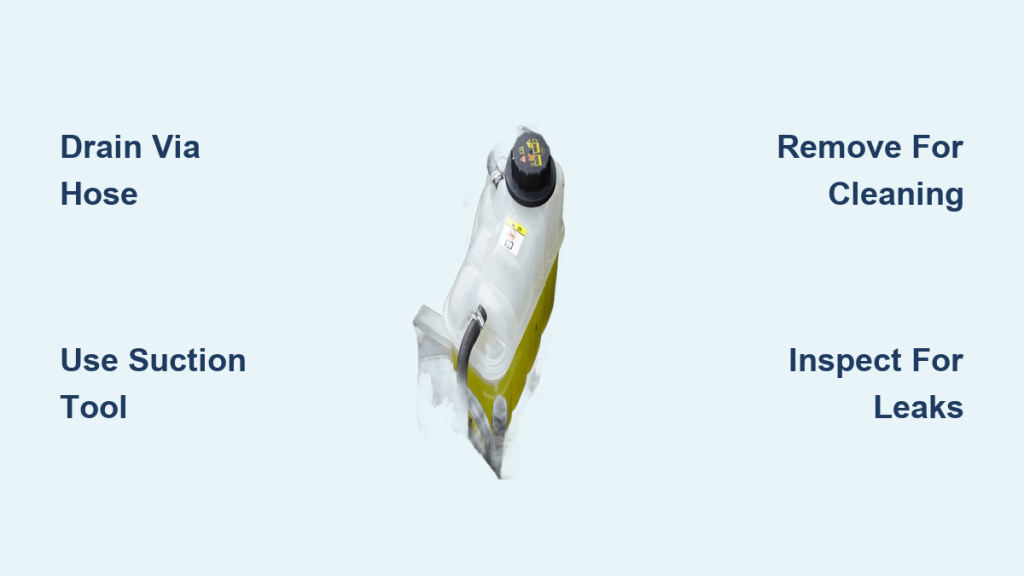
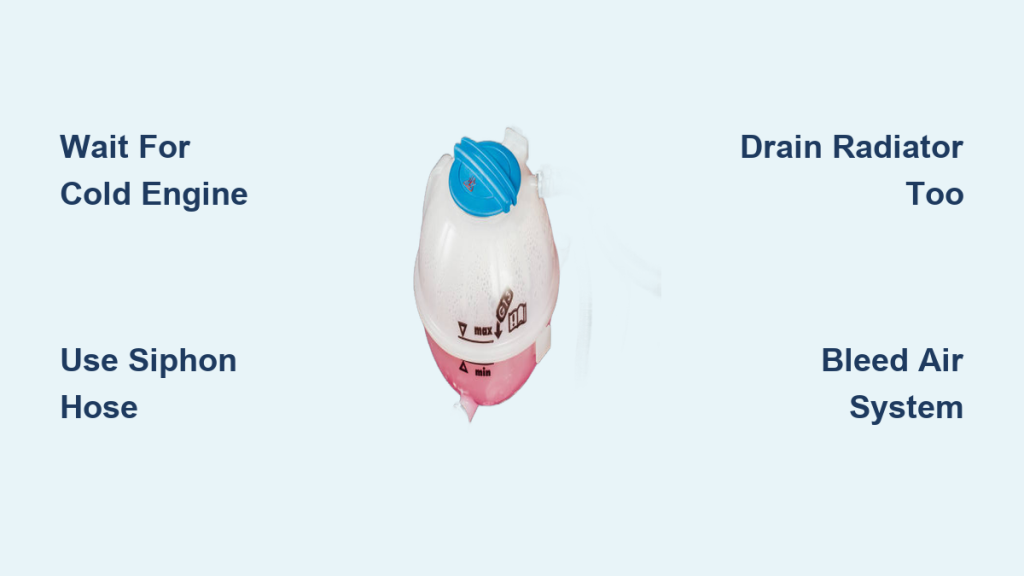
Not all cars use the radiator cap for filling. Many modern vehicles, like the 2005 Toyota Sienna or Ford models with remote expansion tanks, require filling at the coolant reservoir instead. Check your owner manual or service specs to confirm where to attach the funnel.
On systems with a pressurized remote tank, do not assume it is a burp tank. These are part of the sealed system and must be filled according to manufacturer instructions. In some cases, you will need to access a radiator service port for effective bleeding.
Install Funnel on a Cold Engine
Remove Cap Only When Cool
Never open the cooling system when hot. Wait until the engine has fully cooled, ideally overnight or at least 2-3 hours after shutdown. Opening a pressurized system can release scalding steam and coolant.
Once cool, carefully twist off the radiator cap or reservoir cap. Set it aside in a clean place. If the cap is stiff or damaged, replace it. Reusing a worn cap risks leaks or pressure failure.
Attach Adapter and Funnel Securely
Push the correct adapter firmly into the filler neck. Make sure it is seated all the way and does not wobble. Then connect the funnel body to the adapter or extension. Lock the top cap in place to prevent accidental dislodging during engine operation.
Give the entire assembly a gentle tug to test stability. It should feel solid. A loose connection will leak coolant and break the seal needed for air bleeding.
Fill Coolant and Start the Engine
Pour Coolant to Half-Full Mark
Use a 50/50 mix of antifreeze and distilled water unless your vehicle requires a specific coolant type. Pour slowly into the funnel, filling only to one-third or half full. This leaves room for thermal expansion and rising bubbles during warm-up.
Avoid overfilling. Excess coolant can overflow once the engine heats up, creating mess and potential electrical hazards near belts and sensors.
Idle Engine with Heater on Maximum
Start the engine and let it idle. Turn the cabin heater to maximum temperature and fan speed. This opens the thermostat and forces coolant through the heater core, which is critical for removing trapped air.
Watch the funnel closely. You will likely see bubbles rising within seconds. This is normal and indicates air escaping from the system. As air leaves, the coolant level will drop.
Monitor the Air Bleeding Process
Watch for Bubbles and Level Changes
Bubbles in the funnel mean air is being purged. At first, you may see rapid bubbling. As the system clears, bubbles slow and eventually stop. This process can take 5-15 minutes depending on the vehicle.
Some models, like Subarus and BMWs, are notorious for holding air. For these, raise the front wheels with ramps to tilt the engine and help air rise to the filler point.
Top Off Coolant as System Draws
As air escapes, the system pulls more coolant from the funnel. Keep an eye on the level and replenish as needed to maintain half-full. Be ready to add coolant multiple times during this phase.
If the level drops fast and does not stabilize, check for leaks in the funnel setup. A faulty seal or loose adapter can prevent proper vacuum draw.
Complete the Thermostat Cycling Process
Wait for Upper Hose to Heat Up
The upper radiator hose warming up is a clear sign the thermostat has opened and full circulation has begun. This usually happens within 3-10 minutes of idling.
Once hot, squeeze the upper hose gently. You should feel pressure and movement, confirming flow. Repeat squeezing several times to help dislodge stubborn air pockets.
Cycle Engine Multiple Times for Best Results
For thorough bleeding, let the engine run long enough for the thermostat to open and close 2-3 times. This ensures all coolant paths are flushed and air is fully expelled.
Some technicians recommend revving slightly for short bursts to increase flow, but avoid high RPMs with the cap off. Stick to light load for safety.
Remove Funnel Safely
Let Engine Cool Before Disassembly
After bubbling stops and levels stabilize, turn off the engine. Do not remove the funnel immediately. Wait at least 15-30 minutes for the system to cool and pressure to equalize.
Removing the funnel while hot can cause a vacuum collapse, pulling air back in or spilling coolant.
Detach and Reinstall Original Cap
If your funnel uses a manual stopper, insert it into the base before lifting the funnel to prevent spillage. Kits with a floating valve automatically seal when detached. Just lift straight up.
Remove the extension and adapter from the filler neck. Wipe the area clean with a rag. Replace the radiator or reservoir cap securely. Then, after the engine has fully cooled, check the overflow tank level and top off if needed to the cold line.
Diagnose Problems Using the Funnel
Spot Combustion Gases in Coolant
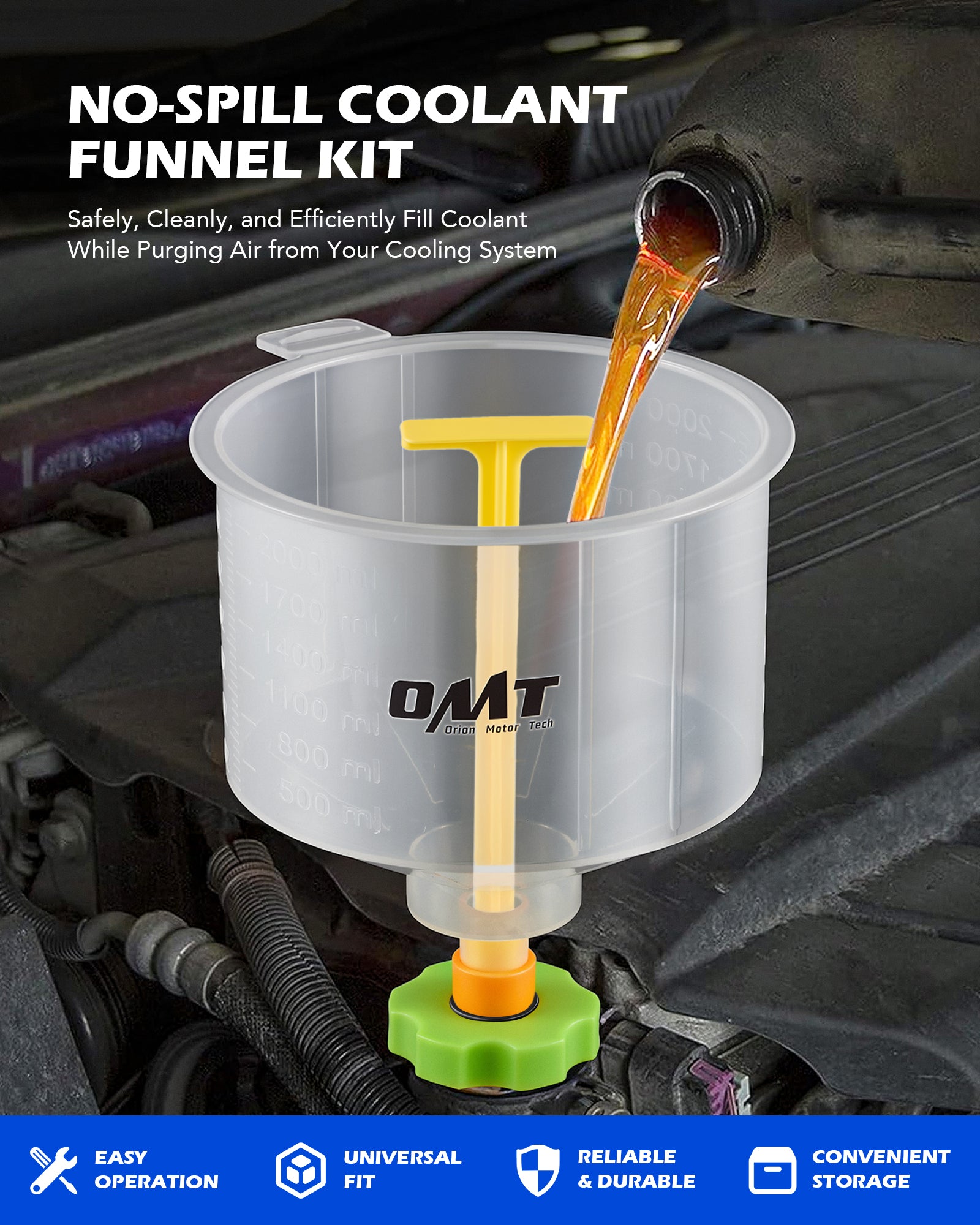
A clear funnel lets you detect serious engine problems. If you see a continuous stream of small bubbles even after the engine warms up, it may indicate a blown head gasket, cracked cylinder head or block, or failed intake manifold gasket.
These gases enter the cooling system under compression and show up as steady bubbling, unlike the sporadic bubbles of trapped air.
Identify Persistent Airlocks
If the coolant level keeps dropping or the heater blows cold after refill, air may still be trapped. Reattach the funnel and repeat the burping process. For vehicles with bleeder valves, open them slightly with the engine off, then close once coolant flows bubble-free.
Avoid Common Mistakes
Do not overfill the funnel. Filling beyond half-capacity risks overflow as the coolant expands. Always leave space for air and movement.
Never skip bleeder screws on models with high-point bleed screws. Open them before starting the engine. Let air escape first, then close once liquid flows out. Skipping this step can leave air locked in the system.
Avoid cheap or incompatible funnels. Low-quality plastic can crack from heat or chemical exposure. Always use a funnel made from polyethylene or polypropylene.
Do not run unattended. Even at idle, coolant can surge. Stay present during the entire process to monitor for leaks, overflow, or unexpected behavior.
Select the Right Funnel Kit
Look for Quality Components
A good kit includes multiple interchangeable adapters, straight and angled extensions, a chemical-resistant plastic funnel, a floating valve or stopper plug, and graduated markings for volume tracking.
Brands like Lisle Spill-Free Funnel or No Spill Coolant Radiator Funnel Kit are trusted by professionals and DIYers alike.
Check for Pressure Tester Compatibility
Some kits accept fittings used with coolant pressure testers, increasing versatility. This is useful for diagnosing leaks or performing system checks after refill.
Expect to pay $25 or more. Inexpensive kits often lack proper seals or durable materials. Invest in a reusable, well-built funnel. It pays for itself in clean, reliable coolant changes.
Maintain and Store Your Funnel
Rinse the funnel, adapters, and extensions with clean water after each use. Residual coolant can crystallize and degrade rubber seals over time. Let all parts air dry before storing.
Inspect rubber gaskets regularly for cracks, hardening, or deformation. Replace worn adapters to maintain a leak-proof seal.
Store the kit in a cool, dry place away from sunlight and chemicals. Avoid leaving it near gasoline, oil, or solvents, which can weaken plastic and rubber components.
Frequently Asked Questions About Coolant Funnels
Can I use a coolant funnel on any vehicle?
Most coolant funnel kits include multiple adapters to fit common radiator and reservoir neck sizes. Check your vehicle specifications to confirm the correct fill location, as some modern cars require filling at the reservoir rather than the radiator.
How long does the air bleeding process take?
The air bleeding process typically takes 5-15 minutes, depending on your vehicle. Some models, particularly Subarus and BMWs, may require longer periods or additional steps like raising the front wheels to fully purge trapped air.
What does continuous bubbling indicate after the engine warms up?
Continuous bubbles after the engine reaches operating temperature often indicate combustion gases entering the cooling system. This can signal a blown head gasket, cracked cylinder head, or failed intake manifold gasket. Have the system inspected by a professional.
Do I need to use a coolant funnel for simple top-offs?
Using a coolant funnel is recommended even for top-offs because it helps prevent air from being introduced into the system. It also allows you to monitor for abnormal bubble patterns that might indicate underlying issues.
Key Takeaways for Using Coolant Funnels
A coolant funnel is an essential tool for maintaining your vehicle cooling system. By following the proper procedure, you ensure complete air removal, prevent overheating, and extend the life of critical components like the water pump and heater core.
The most important steps are selecting the correct adapter for your vehicle, waiting for the engine to cool completely before starting, and monitoring the bubbling process until it stops. Do not skip the thermostat cycling step, and always check the overflow tank after the system has fully cooled.
Whether you are doing a simple top-off or a full coolant change, using a funnel the right way delivers professional results at home. Invest in a quality kit with multiple adapters and chemical-resistant materials. It will serve you well for years of reliable coolant service.