Few things are more stressful than seeing your temperature gauge climb into the red zone. If your vehicle is leaking coolant or running hot, a radiator replacement may be unavoidable. The good news is that for most cars, a professional mechanic can finish the job in 2 to 4 hours. DIYers, however, should plan for 7 to 8 hours or even a full day, particularly on their first attempt.
The timeline shifts based on your vehicle type, how easy the radiator is to access, and whether you’re swapping out related parts like hoses or thermostats at the same time. In this guide, you’ll learn exactly what affects radiator replacement time, the step-by-step process, and how to decide between doing it yourself or hiring a pro.
Automotive vs. Residential Radiator Timelines
Before scheduling any work, it’s worth clarifying which kind of radiator you need to replace. The timelines for automotive and home heating radiators are dramatically different.
Car Radiator: 2 to 8 Hours
A professional can typically replace an automotive radiator in 2 to 4 hours. On luxury or performance models with cramped engine bays, the job can stretch past 4 hours. DIYers tackling the project for the first time often spend 7 to 8 hours wrestling with hidden bolts, coolant disposal, and air bleeding.
Home Heating Radiator: 20 Minutes
Swapping a residential heating radiator, such as replacing an old panel with a designer model, takes roughly 20 minutes when plumbing connections are standard. The job involves shutting off water, draining the unit, and reconnecting the pipes.
This article focuses on automotive radiator replacement, where precision and system integrity matter most.
Key Factors That Affect Replacement Time
Several variables influence how long a radiator swap actually takes. Understanding these helps you plan realistically.
Vehicle Make and Model
Not every engine bay is built the same. Radiator accessibility depends heavily on your vehicle’s layout:
- Front-engine, front-wheel-drive vehicles (like Honda Accord or Toyota Camry) usually offer the easiest access.
- Transverse-mounted engines often require removing the air conditioning condenser, fan shroud, or radiator support brackets before the radiator can come out.
- Luxury and performance cars (BMW, Audi, Lexus) pack components tightly, which adds disassembly time.
Simpler access can save around 30 minutes. Complex removals can add 1 to 2 hours.
Coolant Drain and Refill Duration
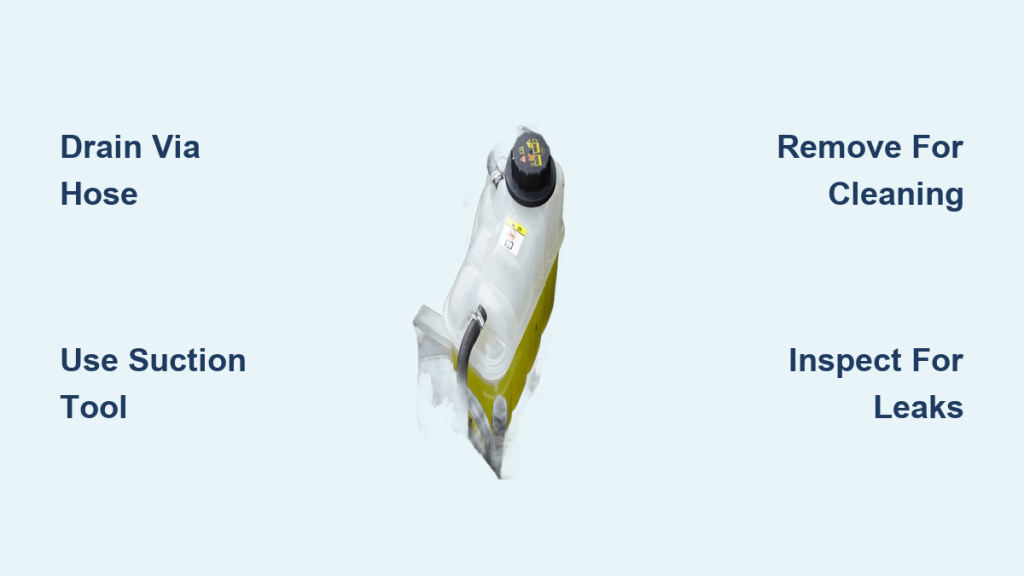
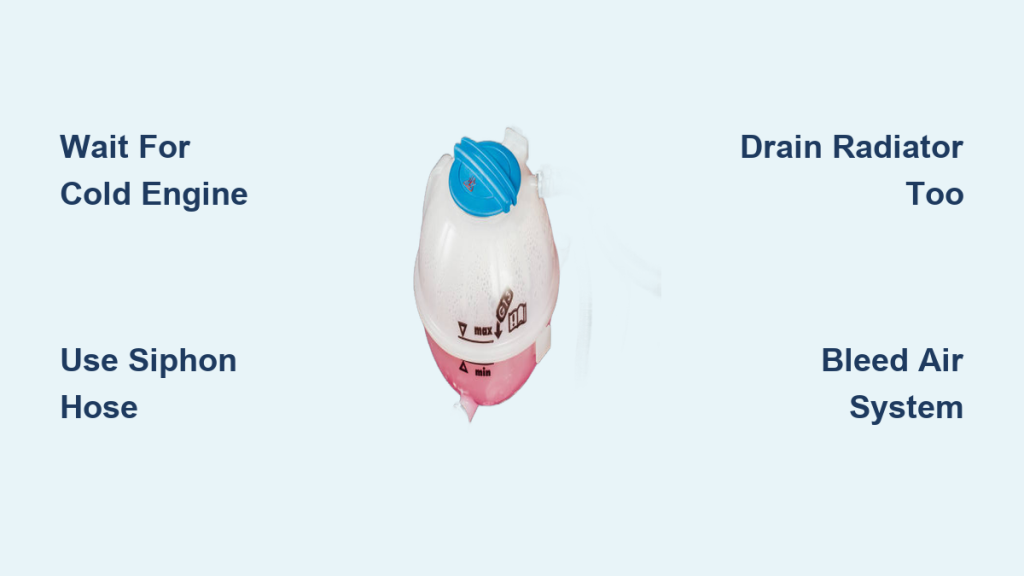
Fluid management is unavoidable. Draining old coolant safely takes 30 to 60 minutes, depending on whether your radiator has a drain valve or requires hose disconnection.
Refilling and bleeding the system adds another 30 to 45 minutes. Skipping proper bleeding risks air pockets, which can cause overheating even with a brand-new radiator.
Ancillary Component Replacement
Most mechanics recommend replacing related parts during the same service:
- Radiator hoses (15 to 20 minutes)
- Thermostat (+30 minutes)
- Coolant reservoir (+15 minutes)
- Radiator fan or shroud (+45 minutes)
Bundling these jobs prevents repeat labor and saves money over time.
Mechanic Experience and Tools
A pro with a lift, organized bins, and years of experience finishes faster and cleaner. Amateurs often struggle with:
- Finding all mounting bolts
- Avoiding stripped threads
- Properly routing hoses
- Correctly bleeding the system
The result is that pros finish in under 4 hours, while DIYers may need a full day.
Step-by-Step Radiator Replacement Process
Here’s how a radiator replacement unfolds from start to finish, with timing included for each phase.