
Yes, driving without coolant will make your car overheat, often within minutes. Engine coolant is the backbone of your engine’s thermal management system, absorbing heat from critical components like the cylinder head and engine block. Without it, heat builds up rapidly, leading to catastrophic failure. Even a partially low coolant level can cause air pockets, false temperature readings, and localized overheating that damage internal parts before the gauge registers a problem.
This guide breaks down exactly how coolant prevents overheating, what happens when it is missing, how fast damage occurs, and how to protect your engine from costly repairs.
How Coolant Prevents Overheating
Coolant does far more than absorb heat. It is a precision-engineered fluid designed to keep your engine running safely under extreme conditions. In a properly filled system, coolant circulates continuously, removing heat from the hottest parts of the engine and releasing it through the radiator.
Coolant Functions and System Pressure
Coolant performs four critical functions in your engine. First, it transfers heat by absorbing thermal energy from combustion chambers, cylinder heads, and exhaust valves. Second, it raises the fluid boiling point up to 129°C at atmospheric pressure, with even higher temperatures under system pressure. Third, it provides freeze protection in cold climates, effective down to -34°C with a 50/50 mix. Fourth, it protects metals from corrosion and lubricates the water pump seals and bearings.
The cooling system operates under positive pressure, typically 15 to 18 psi, maintained by the radiator cap. This pressure ensures continuous flow and prevents boiling. Without coolant, the system cannot maintain pressure, leading to rapid temperature spikes.
Why Air Cannot Replace Coolant
Air has very low thermal conductivity and no heat capacity compared to coolant. When air enters the cooling system due to low fluid levels, it creates vapor locks that block proper circulation. These air pockets insulate hot engine zones, especially in cylinder heads where temperatures can exceed 200°C during operation.
The temperature gauge could show too low of a temperature due to lack of coolant coming out of the engine. The coolant will start to boil and then condense on the temperature sensor, and it will show hot. This misleading reading delays driver response, and by the time the engine visibly steams or the check engine light comes on, serious damage has already occurred.
Signs of Low or No Coolant
You do not need steam pouring from the hood to know something is wrong. Early warning signs can appear long before total failure.
Temperature Gauge Abnormalities
Watch for three key indicators. The gauge reading too high means the needle climbs into the red zone under load or at idle. Reading too low is less obvious, as the sensor is not immersed in fluid so it reads ambient temperature rather than actual engine heat. Erratic swings indicate air bubbles passing over the sensor.
Any unusual gauge behavior demands immediate inspection.
No Heat from Cabin Heater
The heater core relies on hot coolant to warm the cabin. If you turn on the heat and get only cold air, even when the engine feels hot, it is a strong sign coolant is low or trapped by air pockets.
Steam, Smoke, and Power Loss
Steam from under the hood or a sweet, syrupy smell means coolant is boiling off. This usually happens after just a few minutes of driving with little or no coolant. Overheating can also trigger engine protection systems, causing some vehicles to enter limp mode to prevent further damage.
With the low coolant it was telling the transmission it was getting too hot and therefore it would not go faster. This was a diagnosis of a 1999 LS1 Trans Am that lost power and could only reach 35 mph.
How Fast Does Damage Occur

Time is everything when driving without coolant. The longer you drive, the higher the risk of irreversible damage.
Timeline of Engine Damage
Within 2 to 5 minutes under normal driving conditions, an engine with no coolant will begin to overheat, especially under load. Steam appears quickly, hoses may bulge, and the engine starts to knock or ping from pre-ignition.
Between 5 and 10 minutes, the water pump fails. The water pump relies on coolant for lubrication and cooling. Running dry destroys the internal seals and bearings in minutes. Water pump running dry, they will destroy themselves very quickly without water in them as they are not designed to run without lubrication and sufficient resistance.
From 10 to 20 minutes, head gasket damage or warped heads occur. Aluminum cylinder heads expand rapidly when overheated, breaking the seal of the head gasket. Symptoms include white smoke from exhaust, milky oil, and bubbles in the radiator. Repair costs range from $1,000 to $2,500 or more.
Beyond 20 minutes, the engine may seize or crack. At this stage, pistons expand and scrape against cylinder walls until the crankshaft stops turning. In extreme cases, thermal stress cracks the engine block or head, requiring complete engine replacement at $3,000 or more.
What Happens When You Drive Without Coolant

Warped Cylinder Head
Aluminum heads are especially vulnerable when overheated. They warp unevenly, preventing the head gasket from sealing properly. This allows combustion gases to escape into the cooling system, worsening overheating. Engines with aluminum heads on iron blocks, such as GM LS series and Ford Modular V8s, are at highest risk due to differing expansion rates.
Blown Head Gasket
One of the most common results of coolant loss. A blown gasket allows coolant to leak into combustion chambers, causing white exhaust smoke. Oil mixes with coolant, creating milky residue under the oil cap. Compression is lost, causing hard starts and misfires.
Seized Pistons
Factory piston-to-wall clearances are extremely tight, often less than 0.002 inches. When the engine overheats, pistons expand and scrape or seize in the bore. The piston will expand marginally due to the heat, and this expansion can be enough to make the piston rub hard on the cylinder casing and make the crankshaft grind to a halt.
Cracked Engine Block or Head
Extreme thermal cycling can crack aluminum heads or cast iron blocks, especially near coolant passages or combustion chambers. A cracked block usually means engine replacement, as repairs are often not cost-effective.
Transmission Damage
Many automatic transmissions use a radiator-mounted cooler. No coolant means no transmission cooling. Overheated transmission fluid breaks down, losing viscosity and lubricity. This leads to slipping gears, delayed shifts, limp mode activation, and permanent transmission failure. In some cases the transmission fluid cooler is internal to the radiator, meaning that a lack of engine coolant can not only cause the engine to overheat, but also the entire transmission.
Can You Drive Without Coolant? Myths vs. Reality
Myth: Short Distances Are Safe
Some believe that as long as the temperature gauge reads normal, it is safe to drive. But this ignores air pockets in the head not being cooled, false sensor readings due to lack of immersion, and reduced thermal capacity of low coolant volume. Even a 5-mile drive with low coolant risks permanent damage.
Myth: Less Coolant Helps Winter Warm-Up
One claim suggests reducing coolant volume speeds engine warm-up in cold weather. While less fluid heats faster, it also increases risk of sudden overheating under load, prevents proper air bleeding leaving hot spots, and removes corrosion protection accelerating rust. Manufacturers design systems for full coolant volume, so never operate below minimum levels.
Exception: Air-Cooled Engines
Classic cars like the VW Beetle or Porsche 911 (pre-1999) use air cooling instead of liquid. These engines have finned cylinders and fans to dissipate heat. They are not relevant to modern liquid-cooled vehicles, so do not apply air-cooled logic to your daily driver.
How to Check and Fix Low Coolant
Safe Coolant Inspection Steps
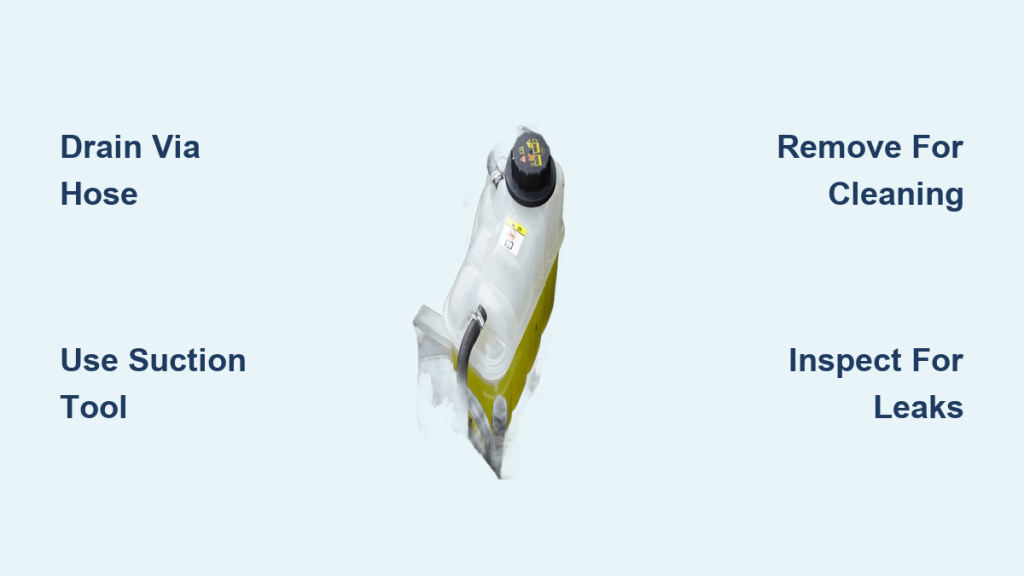
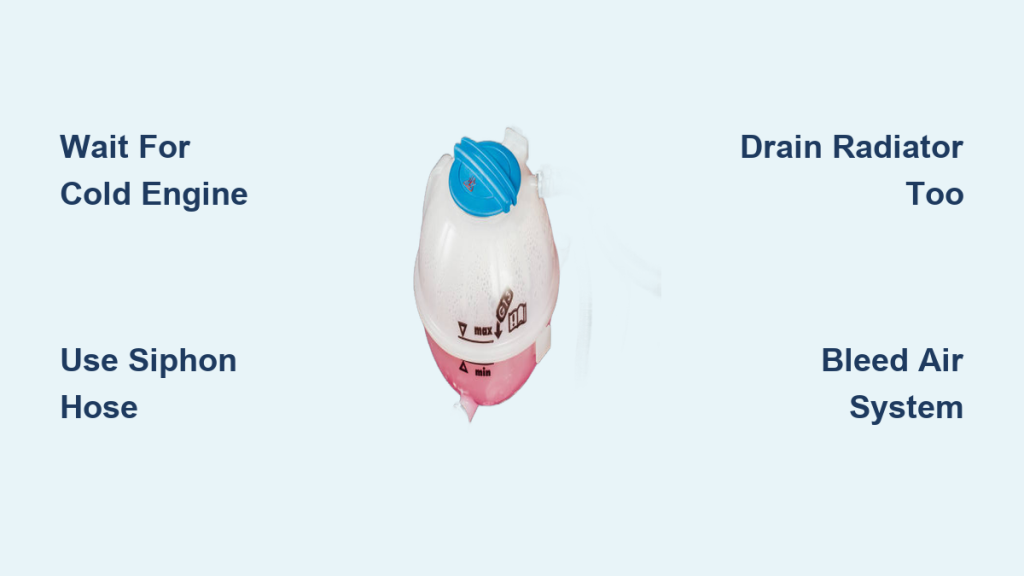
Always wait for the engine to cool before checking. Never open the radiator cap on a hot engine. Check the reservoir tank for coolant level between MIN and MAX lines. Inspect the coolant color, which should be bright green, orange, or red depending on type. Brown or rusty fluid indicates contamination.
Top up with 50/50 premix using the correct coolant type for your vehicle. Run the engine with the cap off to let air escape, and monitor for bubbles which signal a head gasket leak.
Bleeding Air from the System
Many engines trap air in high points like the cylinder head. Failure to bleed leads to hot spots and false readings. Start the engine with the radiator cap off and let it idle for 5 to 10 minutes. Gently rev to 2,000 RPM to circulate fluid. Watch for air bubbles and top off as needed. Replace the cap only when flow is steady and temperature stabilizes.
Some engines require special procedures, so consult your service manual.
Preventing Coolant-Related Overheating
Monthly Maintenance Checklist
Check coolant level when the engine is cold. Inspect hoses for cracks, bulges, or soft spots. Look under the car for puddles of green, orange, or yellow fluid. Replace coolant every 30,000 to 60,000 miles per manufacturer. Pressure test the system if coolant drops without a visible leak.
Common Causes of Coolant Loss
Several issues cause coolant loss. A leaking hose shows wet spots and dried residue, requiring hose replacement. A faulty radiator cap causes coolant overflow and pressure loss, requiring cap replacement. A water pump leak shows drips from the weep hole and bearing noise, requiring pump replacement. A blown head gasket shows white smoke, milky oil, and bubbles in the radiator, requiring major engine work. A cracked radiator shows visible cracks and persistent low level, requiring radiator replacement.
Use the Right Coolant
Never mix coolants such as OAT with IAT. Mismatched coolants can form sludge or gel, blocking flow. Use what is specified in your owner manual. OAT coolants are long-life, usually orange or red. HOAT coolants are common in Fords and Chryslers, yellow or turquoise. IAT is older green coolant that should be replaced every 2 years.
Real-World Cases: What Happens When Coolant Is Missing
Case 1: 1999 LS1 Trans Am Limp Mode
A user reported their son is 1999 LS1 Trans Am began losing power, running at 2,000 RPM while only achieving 35 mph. Greyish smoke and burning smell were observed. The mechanic found very low coolant. Diagnosis showed engine overheating triggered transmission temperature safeguards, forcing limp mode. After refilling coolant and testing, performance returned to normal. The mechanic said it should be ok now but keep an eye on it. Long-term head gasket risk remained.
Case 2: 1997 Ford Expedition Highway Breakdown
Another user described driving with no coolant on the expressway. Within minutes, the vehicle shook violently. Power dropped dramatically. The vehicle approached at turtle pace. Upon parking, it could not reverse. The engine shut down, and restart allowed only limited movement. This illustrates how complete coolant loss leads to rapid overheating and mechanical distress, even over short distances.
Final Answer: Yes, No Coolant Causes Overheating
There is no debate. No coolant equals guaranteed overheating. The engine cooling system is a closed-loop design that depends on fluid volume, pressure, and circulation. Remove the coolant, and the entire system collapses.
Even a short drive without coolant risks warped heads, blown gaskets, seized engines, and transmission failure. While some engines survive brief episodes, it is pure luck, not good practice.
Key Takeaways
No coolant causes immediate overheating within minutes under load. The temperature gauge can lie, as low or no coolant may show false low readings. The water pump fails fast when dry because lubrication comes from coolant. Air pockets prevent cooling even if the reservoir looks full. Transmission damage is possible if the cooler is in the radiator. Never drive with low coolant. Refill and bleed properly before restarting.
A $10 bottle of coolant can save you a $3,000 engine rebuild. Check it monthly. Top it off correctly. And if your engine overheats, shut it off immediately. Your engine life depends on it.
Frequently Asked Questions About Coolant and Overheating
How long can I drive with low coolant before damage occurs?
With no coolant, severe overheating begins within 2 to 5 minutes under load. At 50% coolant, you may have 10 to 20 minutes before likely damage. However, any amount of driving with low coolant risks permanent engine damage.
Can a car overheat without coolant leaking visible?
Yes. Coolant can leak internally into the engine oil or combustion chambers without visible puddles. It can also evaporate slowly through a small leak in the radiator cap seal or heater core. Check the reservoir monthly even without visible leaks.
Why does the temperature gauge show low when coolant is low?
The coolant temperature sensor needs to be immersed in fluid to read accurately. When coolant is low or absent, the sensor reads ambient air temperature instead of engine heat, giving a false low reading while the engine actually overheats.
Does low coolant always cause overheating?
Yes, eventually. Even partial coolant loss impairs heat transfer and creates air pockets. The engine may not immediately show symptoms, but localized overheating in cylinder heads can damage components while the main gauge reads normal.
Can I use water instead of coolant in an emergency?
Water can be used temporarily in an emergency but should be replaced with proper coolant within a few days. Water lacks corrosion inhibitors, boils at a lower temperature, and provides no freeze protection. Plain water also causes rust in the cooling system.
What islimp mode and why does low coolant trigger it?
Limp mode is a protective state where the engine reduces power to prevent damage. Some vehicles monitor transmission temperature through the radiator cooler. Low coolant causes transmission fluid to overheat, triggering limp mode to protect the transmission.