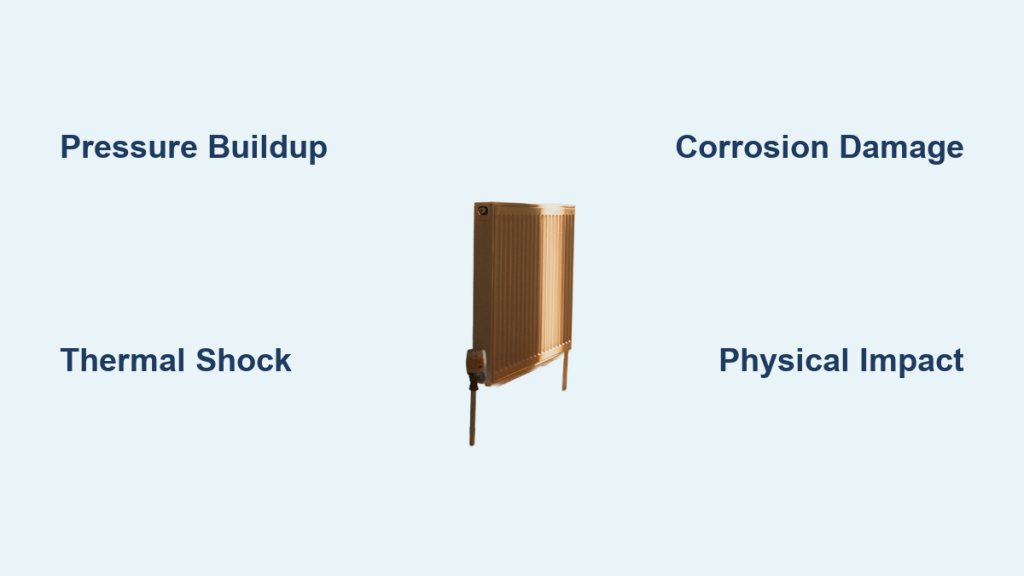
A cracked radiator can stop your car in its tracks and, if ignored, destroy your engine. When coolant escapes through a fracture, temperatures spike fast and metal components warp or seize. But how does a radiator crack in the first place? The answer involves a combination of pressure, heat, age, and external stress that builds up until a weak point gives way.
Understanding the mechanics behind radiator cracking helps you catch problems early and avoid expensive engine repairs. From clogged passages and faulty caps to thermal shock and corrosion, the root causes are predictable and often preventable. In this guide, you’ll learn exactly how radiators fail, how to recognize the warning signs, and what maintenance habits keep your cooling system strong for years.
Pressure and Heat Buildup That Fractures Radiators
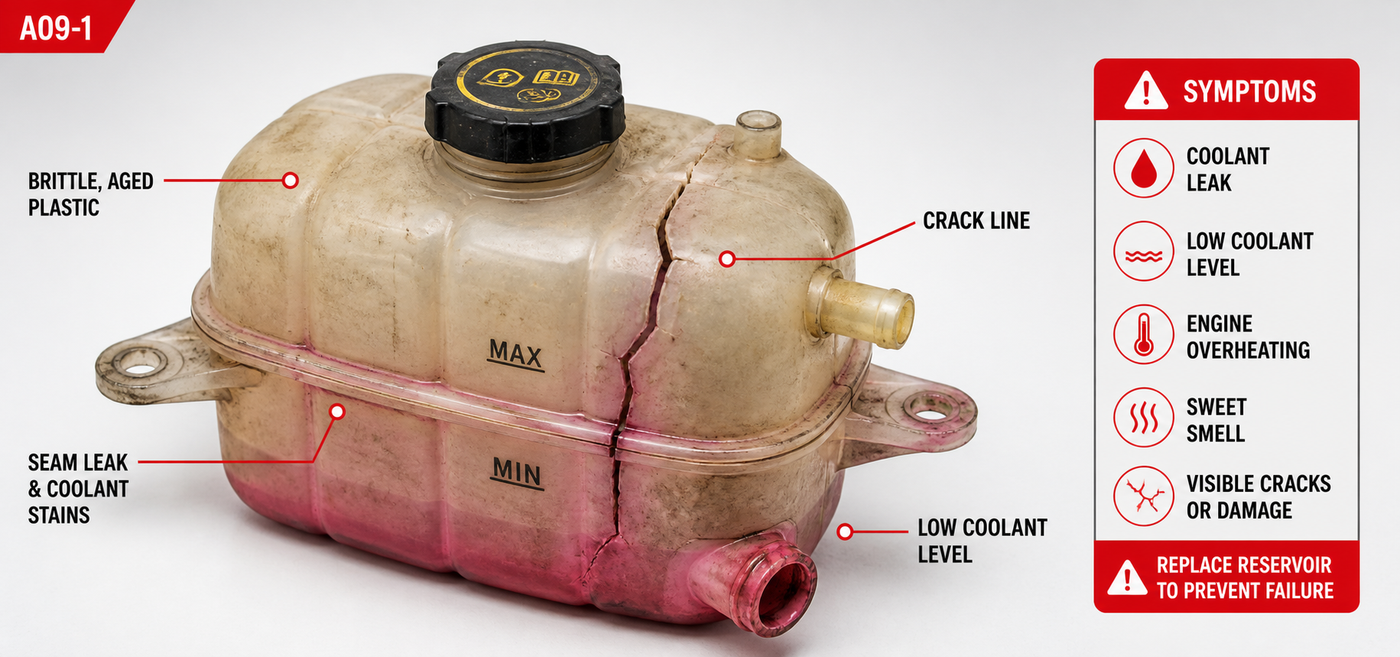
The cooling system is sealed and pressurized by design, but when components fail, pressure can climb beyond safe limits. This excess force targets the weakest areas of the radiator, including plastic tanks, seams, and hose connections.
Clogged Cooling Passages
Debris, rust, and old coolant form sludge that blocks narrow internal tubes. These blockages trap hot fluid in isolated zones, raising localized temperatures and pressure. Over time, this strain cracks already weakened areas, especially in older radiators.
Common indicators include:
– Rising engine temperature during normal driving
– Coolant bubbling inside the overflow tank
– Weak or no heat coming from the cabin vents
Faulty Radiator Cap
The radiator cap works as a pressure relief valve, opening at a set rating (usually 13 to 16 psi). When the cap sticks closed or the seal wears out, excess pressure has nowhere to escape. This forces hoses to swell and seams to split.
A failing cap often causes:
– Swollen or burst upper radiator hoses
– Coolant leaks along tank seams
– Cracks in plastic end tanks
Test the cap during routine service and replace it every 3 to 5 years.
Stuck Thermostat
A thermostat that sticks closed halts coolant flow to the radiator entirely. The engine overheats within minutes, boiling the coolant and sending system pressure through the roof. This sudden spike can crack the radiator core or blow out hoses instantly.
Warning signs include:
– Temperature gauge climbing into the red zone quickly
– No warm air from the dashboard vents
– Steam or coolant spray escaping from under the hood
Leaking Head Gasket
A blown head gasket lets combustion gases push into the cooling system. These high-pressure gases overwhelm the radiator’s design limits and force cracks through plastic tanks or warped cores.
Look for these symptoms:
– Bubbles rising in the radiator or overflow tank
– Milky residue on the oil cap or dipstick
– Thick white smoke pouring from the exhaust
How Thermal Shock Causes Sudden Radiator Cracks
Thermal shock happens when a hot radiator meets cold fluid too quickly. The sudden temperature change creates uneven contraction across metal and plastic, fracturing weak points on contact.
Cold Fluid on a Hot Engine
Pouring cold water into an overheated engine is one of the fastest ways to crack a radiator. The outer layers contract while inner areas stay expanded, tearing the material apart.
Never add coolant when:
– The engine is still hot
– The temperature gauge reads in the red
– Steam is visible from under the hood
Wait at least 30 to 60 minutes for full cooling before opening the system.
Vulnerable Components and Hidden Damage
Older radiators and units with existing micro-fractures suffer the most from thermal shock. Plastic end tanks grow brittle with age and can shatter under sudden stress. A small hairline crack may not leak right away but expands with each heat cycle until coolant escapes under pressure.
Corrosion and Material Fatigue Over Time
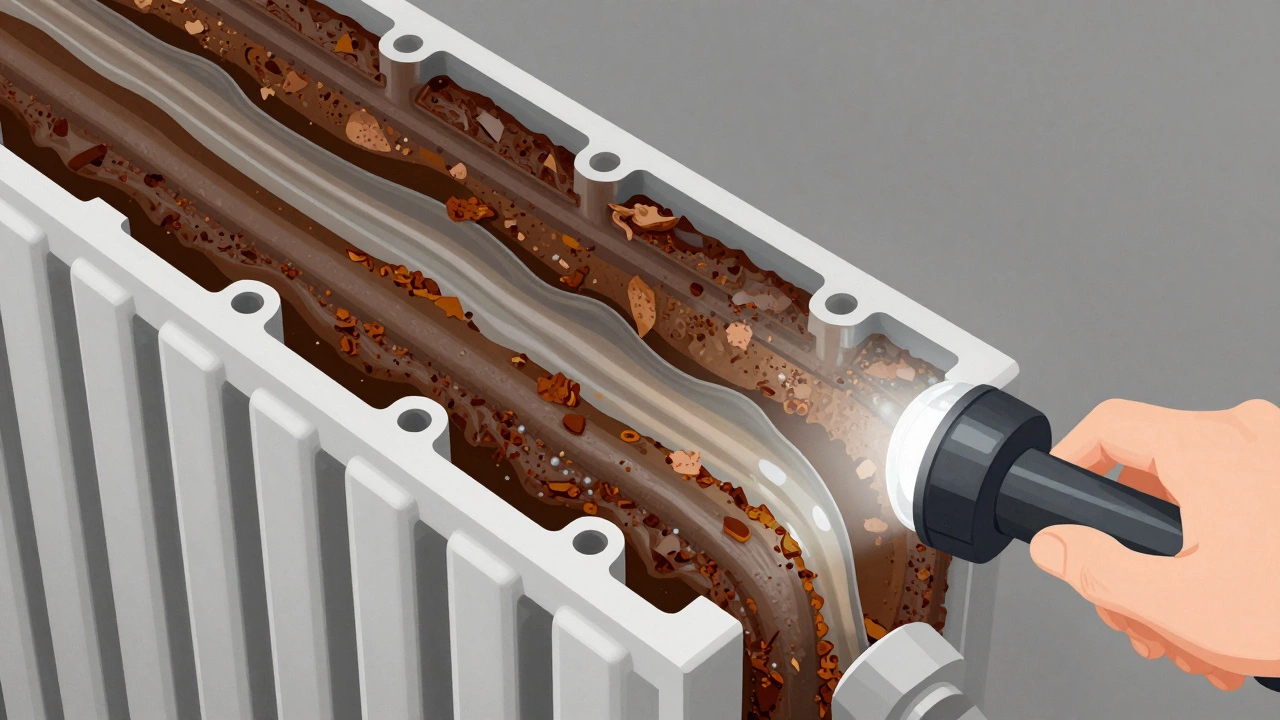
Even without overheating, radiators slowly degrade. Constant expansion and contraction weaken the structure, while chemical reactions eat away at internal surfaces.
Internal Corrosion
Using the wrong coolant type or skipping flushes allows acidic buildup inside the system. This corrosion thins aluminum fins and weakens solder joints in older copper and brass units.
Signs of internal corrosion include:
– Rust-colored or milky coolant
– Sludge collecting in the reservoir
– Noticeably weaker cooling performance
Thinned metal and weakened plastic eventually crack under normal operating pressure.
Age-Related Wear
Every heating and cooling cycle stresses the radiator. After thousands of cycles, metal fatigues and plastic becomes brittle. High-risk zones include seams between plastic tanks and the metal core, hose connections, and mounting brackets. Vehicles over 8 to 10 years old face the greatest risk of age-related cracking.
Physical Damage From Road Hazards and Impacts

External forces can crack a radiator even when the cooling system is working perfectly. Impacts, vibration, and minor collisions all take a toll.
Road Debris Strikes
Stones, gravel, and sand kicked up at highway speeds strike the radiator face directly. These impacts bend cooling fins or puncture thin aluminum tubes, creating slow leaks that worsen over time.
After highway driving, inspect for:
– Pinhole leaks on the radiator face
– Coolant dripping from the front of the engine bay
– Blocked airflow from bent or packed fins
Vibration and Rough Roads
Off-road driving and frequent travel on potholed streets shake the radiator constantly. This vibration loosens mounting brackets and stresses solder joints or plastic welds until cracks form at connection points.
Collision Damage
Even low-speed front-end impacts can bend the radiator support or crush cooling fins. A slightly dented radiator may not leak right away, but stress points develop into cracks during later heat cycles. Always pressure-test the cooling system after any front collision.
Warning Signs of a Cracked Radiator
Early detection prevents engine damage. Knowing what to look for saves you from costly repairs and dangerous breakdowns.
Visible Cracks and Surface Leaks
Inspect the radiator when the engine is completely cold. Look for wet spots, hairline fractures in plastic tanks, and white or green crust from dried coolant. Use a flashlight to check the bottom tank and areas hidden behind hoses.
Coolant Loss Without Puddles
If coolant levels drop steadily but no puddle forms, the leak may be small or evaporating on hot engine parts. Check the reservoir weekly and note any consistent drop in fluid level.
Steam and Overheating
Steam from under the hood means coolant is boiling and escaping. This usually follows a crack that releases pressure and kills cooling capacity. Pull over immediately, shut off the engine, and wait at least 30 minutes before inspecting anything.
Professional Tests That Confirm Radiator Cracks

When visual inspection isn’t enough, mechanics use targeted tests to locate cracks and identify underlying causes.
Cooling System Pressure Test
A pressure tester connects to the radiator neck and pumps air into the system at the cap’s rated pressure. Pressure drops reveal leaks, while bubbles at seams pinpoint crack locations. Swollen hoses during testing suggest a bad cap or internal blockage.
Combustion Gas Test
A block tester uses a chemical solution to detect exhaust gases in the coolant. A positive result confirms a head gasket leak, which means radiator damage is likely secondary to a deeper engine problem.
Thermal Flow Analysis
Technicians use infrared thermometers or thermal cameras to find cold spots on the radiator face. Cold zones indicate clogged tubes that block flow, increase pressure in other areas, and accelerate cracking.
Repair Options vs. Full Radiator Replacement
Not every crack can be fixed. The right choice depends on crack size, location, and the radiator’s overall condition.
Temporary Chemical Sealants
Stop-leak products can seal small pinholes or hairline cracks in aluminum cores. They work best as emergency fixes to reach a shop. Avoid sealants on large structural cracks or contaminated coolant systems, since overuse can clog heater cores and water pumps.
Plastic Tank Welding
Cracks in plastic end tanks can sometimes be welded with a plastic rod or patched with epoxy. The radiator must be removed and the area cleaned thoroughly. Success rates drop under high heat and pressure, so most shops recommend replacement instead.
When Replacement Makes Sense
Replace the radiator if the core is cracked, multiple fractures exist, plastic tanks are warped, or the vehicle keeps overheating after repairs. Modern radiators are affordable, come with warranties, and restore full reliability to the cooling system.
Routine Maintenance That Prevents Radiator Cracks
Prevention is faster, cheaper, and safer than any repair. A few consistent habits keep your cooling system strong.
Coolant Flushes and Refills
Flush and replace coolant every 30,000 to 60,000 miles or according to manufacturer specs. Fresh coolant prevents sludge, maintains proper pH balance, and protects aluminum and plastic components from corrosion.
Inspect Key Components
During every oil change, check the radiator cap seal, thermostat operation, and hose condition. Replace the cap and thermostat every 5 years as preventive maintenance.
Avoid Thermal Shock
Never add cold fluid to a hot engine. Turn off the engine, wait 30 to 60 minutes, and open the overflow tank rather than the radiator cap. This single habit prevents countless sudden cracks.
Keep the Radiator Face Clean
Remove bugs, leaves, and debris from the radiator surface twice a year using a garden hose and soft brush. Good airflow prevents overheating and reduces stress on the entire cooling system.
Safe Steps When a Radiator Cracks Mid-Drive
A cracked radiator demands caution and quick action to prevent injury and engine damage.
Immediate Emergency Response
If you see steam or the temperature gauge spikes into the red:
1. Pull over to a safe location
2. Shut off the engine immediately
3. Do not open the radiator cap
4. Wait at least one hour before inspecting
Opening a hot system can spray scalding coolant and steam, causing severe burns.
Handle Coolant Safely
When draining or refilling the system, use a catch pan and wear gloves and eye protection. Dispose of old coolant at a recycling center, since antifreeze is highly toxic to pets and children.
Confirm Repairs Before Driving
After any repair or replacement, pressure-test the system, run the engine to operating temperature, and check for leaks and proper heat output. Monitor the temperature gauge for several drives before taking long trips.
Frequently Asked Questions About Radiator Cracks
Can a car radiator crack without overheating?
Yes. Corrosion, age-related fatigue, road debris, and vibration can all crack a radiator even when temperatures stay normal. Internal corrosion from old coolant is a leading cause of cracking without overheating.
How long does it take for a hairline crack to become a serious leak?
It depends on operating pressure and heat cycles, but hairline cracks often grow within a few weeks of regular driving. Each heat cycle expands the fracture until coolant escapes under pressure.
Is it safe to drive with a small radiator crack?
No. Even a small crack causes coolant loss and leads to overheating, which can warp cylinder heads or damage the engine block. Address the problem immediately or have the vehicle towed.
Do plastic radiator tanks crack more easily than metal ones?
Plastic tanks are more prone to cracking from thermal shock and age-related brittleness. Metal cores resist thermal stress better but corrode internally when coolant chemistry is neglected.
Can a radiator crack from a bad thermostat?
Yes. A thermostat stuck in the closed position stops coolant flow and causes rapid overheating. The sudden pressure spike can crack the radiator core or blow out hoses within minutes.
How much does it cost to fix a cracked radiator?
Repair costs vary by vehicle and damage severity. Sealants cost under $20, while full radiator replacement typically ranges from $300 to $900 including labor. Core damage or widespread corrosion always requires replacement.
Key Takeaways on How Radiators Crack
A cracked radiator is rarely the result of one sudden event. It usually develops from pressure buildup, thermal shock, corrosion, or physical damage that weakens the structure over time. Recognizing the warning signs, including rising temperatures, coolant loss, and visible leaks, helps you act before engine damage occurs.
The best defense against radiator cracking is consistent maintenance. Flush coolant on schedule, replace the cap and thermostat every few years, and never add cold fluid to a hot engine. When cracks do appear, weigh repair against replacement based on size, location, and overall radiator condition.
Next step: Check your coolant level and inspect the radiator face today. Catching small issues now prevents the kind of failure that leaves you stranded on the roadside.