A tank overflow pipe dripping is a clear warning that your plumbing system has a fault. Under normal conditions, this pipe should remain completely dry to indicate proper water levels. When water flows from it, you face wasted resources and potential structural damage to your home.
This guide helps you diagnose the source and apply the correct repair method quickly. You will learn to distinguish between simple float adjustments and critical heating emergencies requiring professional help.
Identify the Source of Your Leak
Accurate diagnosis prevents wasted effort and ensures you address the correct component. You must locate the specific tank or cistern feeding the overflow before attempting any repairs.
Check All Common Tank Locations
Inspect these three primary areas to find the water source:
* Toilet cistern: The most frequent location for overflow issues.
* Cold water storage tank: Typically found in the loft or attic space.
* Boiler or hot water cylinder: Located near the header tank or utility area.
Look for visible water rising above the internal overflow outlet. If the tank is full to the brim, the mechanism forcing water in has failed.
Confirm Water Temperature Immediately
Run your hand under the dripping water to determine the next steps.
* Cold water: Indicates a toilet or cold storage tank issue.
* Hot water: Signals a boiler or cylinder fault requiring immediate action.
Hot water from an overflow means the Temperature and Pressure relief valve may be failing. Turn off power and gas immediately, then call a professional.
Listen for Hidden Refilling Sounds
Turn off all taps in your house and listen quietly in the loft or bathroom. A faint hissing or trickling sound confirms water is entering a tank where it should not be. This auditory clue helps pinpoint the exact leak source when visual inspection is difficult.
Fix a Toilet Overflow Leak
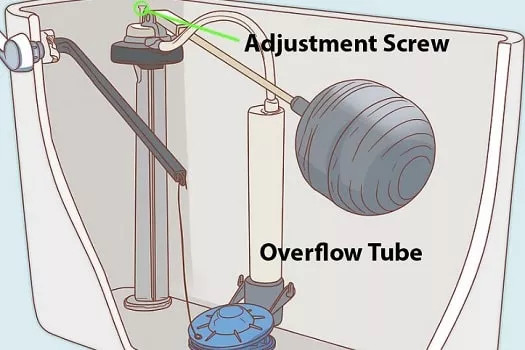
Toilet cisterns are the most common cause of dripping overflows in residential properties. Most fixes here take under 15 minutes and require minimal tools.
Adjust the Float Level
Water sitting above the internal overflow tube usually causes the drip. The ideal level is about one inch below the top of the tube.
- Remove the cistern lid carefully.
- Locate the float, which may be a plastic ball or cylinder.
- Gently bend the float arm downward to lower the water level.
- Flush the toilet and check the new water level.
Avoid over-bending the arm as this can damage the valve mechanism permanently.
Replace the Ball Valve Washer
A worn rubber washer allows water to seep in slowly, causing constant overflow. This is often the single most common cause of continuous leaks.
- Turn off the water supply to the toilet.
- Flush to empty the tank completely.
- Unscrew the valve body to access the washer.
- Remove the old washer and take it to a hardware store for a match.
- Reassemble the valve and test the system.
Pro Tip: Washers degrade over time. Replace yours if it looks cracked or brittle even if it appears intact.
Install a New Float Valve
Replacing the entire unit is often better than repairing individual parts. Modern valves cost under $15 and last significantly longer than repaired ones.
- No more guesswork with matching washers.
- Adjustable fill heights for precise control.
- Reduced chance of future leaks.
Turn off the water, disconnect the supply line, remove the old valve, install the new one, and adjust the float height.
Repair Cold Water Tank Drips
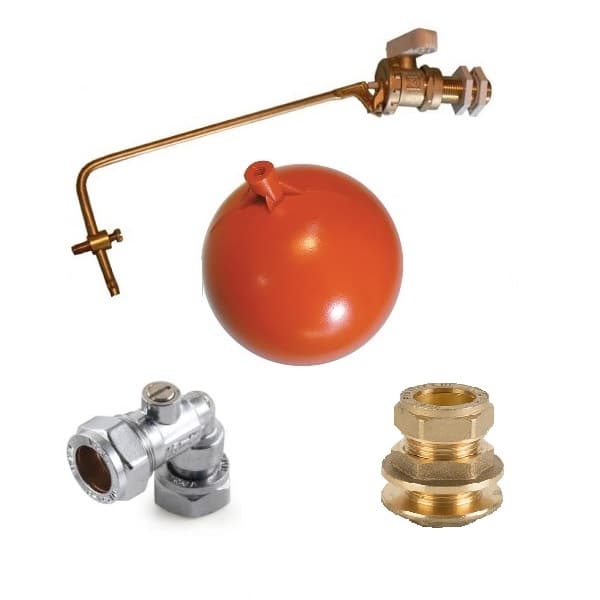
Loft-based cold water tanks feed your hot water system and radiators. A drip here can waste hundreds of gallons daily if left unchecked.
Inspect the Float Ball Condition
Lift the float to check its weight and position in the water. A waterlogged float sinks and fails to shut off the valve.
Fix: Replace the float ball immediately. It unscrews easily from the arm and is inexpensive.
Bend the Float Arm Downward
Apply the same principle used for toilets to lower the fill level. Gently bend the brass arm downward until the water stops 2.5 cm below the overflow pipe.
Replace the Ballcock Valve
If adjusting the float does not stop the drip, the valve is likely stuck or the seat is damaged. Experts recommend replacing the entire ballcock valve.
- Affordable solution under $15.
- Quick installation process.
- Prevents recurring issues effectively.
Turn off the mains water, drain the tank slightly, disconnect the inlet pipe, remove the old valve, and install the new one.
Diagnose Heating System Overflow
Hot water in the overflow pipe is a red flag requiring immediate attention. This section covers thermal issues that are not immediate emergencies but still need fixing.
Check for Warm Vent Pipes
Feel the copper pipe running from the header tank to the boiler. If it feels warm, hot water is entering the cold tank due to a damaged heating coil.
This is a serious issue that raises pressure and risks scalding. Call a heating engineer immediately for assessment.
Bleed the Circulating Pump
If overflow occurs only when heating turns on, an airlock is the likely cause.
- Locate the bleed screw on the circulation pump.
- Place a cloth underneath to catch water.
- Open the screw slightly with a flathead screwdriver.
- Let air escape until water flows steadily.
- Tighten the screw and restart the system.
This often stops thermal expansion from forcing water into the header tank.
Reduce Pump Speed If Applicable
Some systems allow speed adjustment to manage pressure spikes. Lowering from speed 3 to 2 can reduce pressure that pushes water up the vent.
Consult your system manual before making any adjustments to pump settings.
Stop Sink Overflow Leaks
Sink overflows drip when water backs up due to a blockage in the main drain. This is distinct from tank issues.
Clear the Drain Blockage
Water rising to the overflow hole indicates the main drain is blocked.
- Remove visible debris from the overflow slot.
- Plug the overflow with a wet cloth.
- Use a plunger on the drain to dislodge the clog.
- Use a drain snake if plunging fails.
Never ignore a slow-draining sink as it is the first sign of a developing clog.
Tighten Under-Sink Fittings
Check for leaks originating from pipe connections under the sink.
- Supply lines: Tighten compression nuts securely.
- Washers: Replace if cracked or worn.
- Drain connections: Ensure all joints are sealed properly.
A loose joint can mimic an overflow leak and cause similar water damage.
Emergency Hot Water Overflow Protocol

Hot water dripping from any overflow pipe is a critical safety emergency. This is not a DIY fix and requires immediate professional intervention.
Shut Down System Immediately
If hot water drips from any overflow, follow these steps without delay:
1. Turn off power or gas to the boiler or water heater.
2. Close the water supply valve to the appliance.
3. Do not touch the system further.
4. Call a licensed plumber or Gas Safe engineer immediately.
Understand the Dangers
A hot overflow indicates a failed T and P valve, overheating water, or excessive system pressure. Left unchecked, this can lead to explosion or severe scalding. The system must be inspected by a professional before reuse.
Prevent Future Overflow Drips
Routine maintenance stops leaks before they start and saves money on water bills.
Perform Quarterly Tank Inspections
Every three months, open toilet and loft tank lids to check conditions.
* Confirm water is one inch below overflow.
* Check float movement for freedom.
* Look for corrosion or wear on components.
Maintain Pump Bleed Valves
Ensure the circulation pump bleed valve is slightly open. A closed valve traps air, leading to pressure issues and potential overflows.
Monitor Boiler Pressure Monthly
Check the pressure gauge on your boiler regularly. Normal range is 1.0 to 1.5 bar depending on the model. If pressure creeps up when heating runs, call a technician.
Schedule Annual Heating Service
A professional service catches early coil leaks, failing valves, and pressure imbalances. This prevents problems before they trigger overflows.
Know When to Call a Professional
Some situations demand expert help to ensure safety and proper repair.
Call Immediately If:
- Water coming from the overflow is hot.
- Leak continues after valve replacement.
- You smell gas or see significant corrosion.
- Access to the loft or boiler is unsafe.
DIY Is Safe For:
- Toilet float adjustments.
- Washer or valve replacements.
- Drain unclogging procedures.
If you are unsure, stop and call a plumber. A small service fee beats thousands in water damage repairs.
Consequences of Ignoring the Drip
A slow drip can become a disaster if left unaddressed for too long.
Wasted Water and Money
A running toilet can waste up to 200 gallons per day. That equals over 6,000 gallons per month, adding significant costs to your water bill.
Mold and Structural Damage
Constant moisture breeds mold in ceilings, walls, and joists. Prolonged exposure weakens wood structures and risks respiratory health for occupants.
Risk of Flooding
If the overflow pipe freezes or blocks, water has nowhere to go. The tank can overflow into your loft, causing ceiling collapse or electrical hazards.
Frequently Asked Questions About Tank Overflow Pipe Dripping
Why is my tank overflow pipe dripping constantly?
A constant drip usually means a faulty float valve or worn washer is failing to shut off the water supply. The water level rises above the overflow outlet, causing continuous discharge.
Is it dangerous if hot water comes from the overflow pipe?
Yes, this is a critical emergency indicating high pressure or temperature failure. Turn off your boiler power and water supply immediately, then call a professional.
How much does it cost to fix a dripping overflow pipe?
Most DIY fixes cost under $20 for parts like a new valve or washer. Professional calls vary but are far cheaper than water damage repairs from neglect.
Can I stop the drip by bending the float arm?
Yes, if the water level is too high, gently bending the float arm downward lowers the fill level. This stops the overflow if the valve itself is functional.
How often should I check my water tanks for leaks?
Inspect your tanks quarterly for signs of dampness or active dripping. Annual professional servicing of heating systems also helps prevent overflow issues.
Key Takeaways for Fixing Tank Overflow Pipe Dripping

A tank overflow pipe dripping signals a broken component needing immediate attention. Most cases involve a simple float adjustment or washer replacement in a toilet or cold tank. However, hot water overflow requires shutting down the system and calling a professional immediately.
Remember these critical actions:
* Cold drip: Adjust float or replace valve.
* Hot drip: Shut off system and call a pro.
* Sink backup: Clear the drain blockage.
* Heating issue: Bleed pump or reduce speed.
Prevent future problems with quarterly checks and annual servicing. Fix the drip now before it becomes a costly flood.