A failing truck radiator is more than a minor repair; it is a countdown to engine disaster. As the core of your cooling system, the radiator regulates engine temperature, prevents corrosion, and supplies heat to your cabin. When it fails, your engine runs hotter, burns more fuel, and risks total destruction. For fleet managers and owner-operators, mastering truck radiator repair means avoiding thousands in downtime and engine replacement costs. This guide breaks down how radiators fail, how to fix them properly, and where to find trusted service.
You will learn the warning signs of radiator failure, the difference between aluminum and copper-brass units, which quick fixes to avoid, and when to repair versus replace. Whether you manage a fleet or drive solo, these insights help you make faster, smarter decisions.
Diagnose Cooling System Failure Fast
Spot Early Warning Signs
Catching radiator trouble early saves your engine. The most urgent red flag is engine overheating, especially during idle or slow traffic, which often points to blocked tubes or fan failure. Visible coolant leaks under the truck, particularly green, orange, or yellow puddles, signal a breach in the radiator, hoses, or seals. If coolant drops with no visible leak, suspect internal seepage through micro-cracks or a failing head gasket.
Other symptoms include discolored or sludgy coolant, which signals corrosion or contamination, and loss of cabin heat, a direct result of poor coolant circulation. If you smell a sweet, pungent odor or see steam rising from the hood, the coolant is boiling. Shut down immediately to prevent warping or cracking the engine block.
Use Pro-Grade Diagnostic Tools
Professional shops go beyond visual checks. They use UV dye injection to trace invisible leaks under UV light, pinpointing hairline cracks in tanks or seams. Coolant acidity testing measures pH levels; a reading below 7.0 means corrosion inhibitors have degraded, increasing rust and sludge risk. Pressure testing simulates operating conditions to expose weak points in hoses, caps, or core joints. These diagnostics ensure you fix the root cause, not just mask symptoms.
Aluminum vs. Copper-Brass: Know What You Are Working With
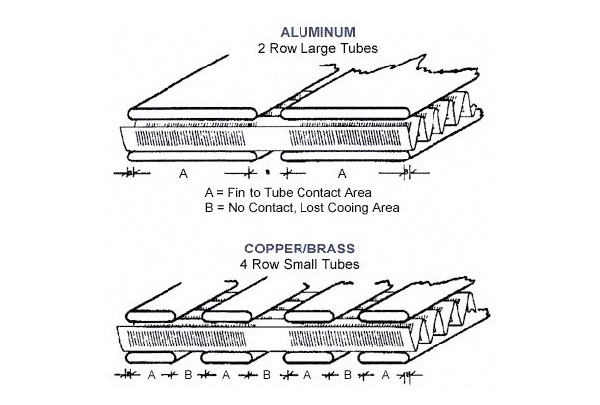
Aluminum Radiators: Replace, Don’t Repair
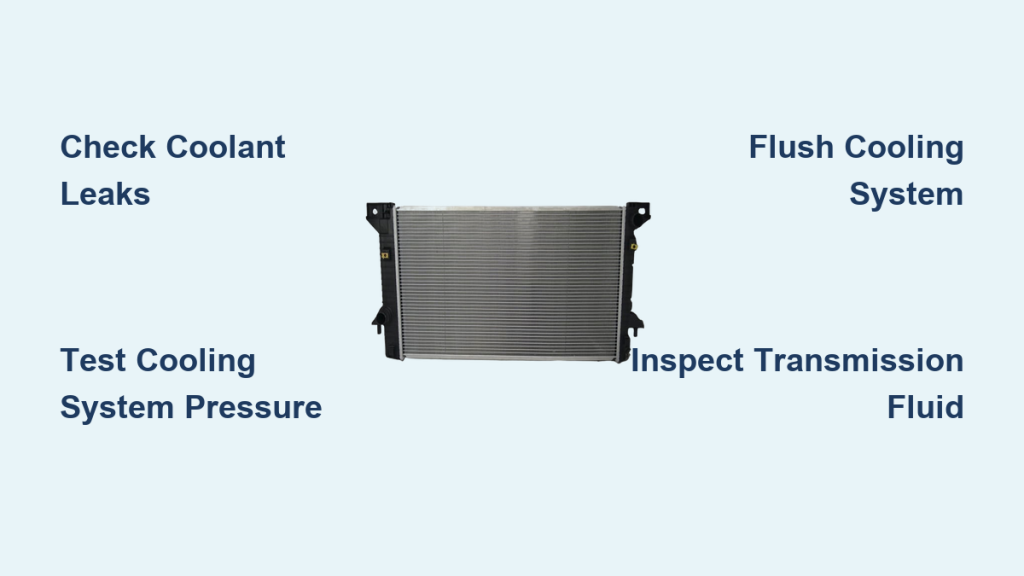
Most modern trucks use aluminum radiators for their lightweight design and high thermal conductivity. But they carry a hidden flaw: metal fatigue. Repeated heating and cooling cycles cause the metal to expand and contract, weakening over time, like bending a paperclip until it snaps. This makes patch welding ineffective. Even if the weld holds, surrounding fatigued metal will likely crack again within weeks.
Because of this, aluminum radiator repair is rarely viable. If the core is damaged but tanks are intact, re-coring offers a cost-effective alternative. But if tanks are cracked or severely corroded, full replacement is mandatory.
Copper-Brass Radiators: Repairable with Proper Technique
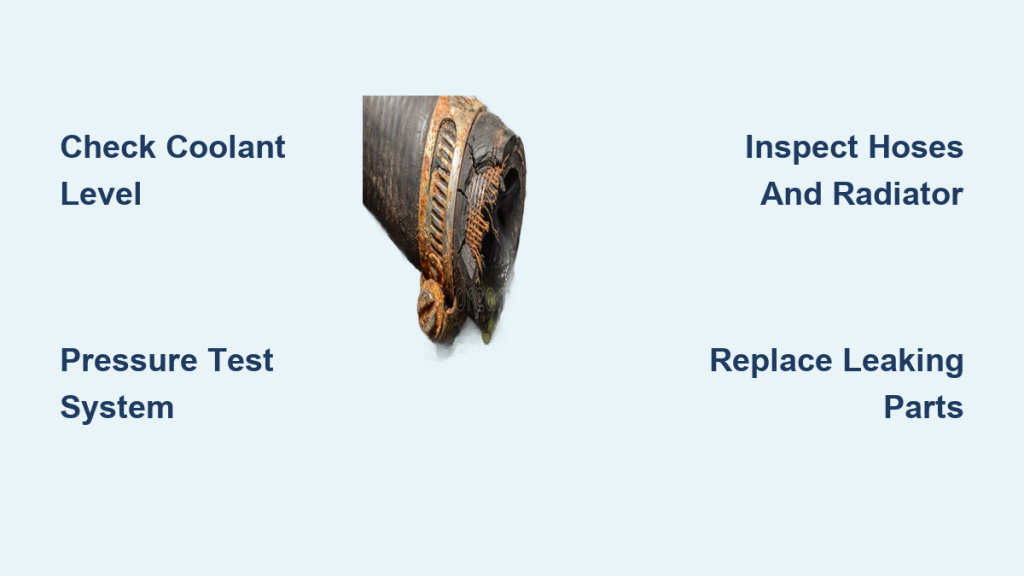
Older or heavy-duty trucks may still use copper-brass radiators, the only type truly repairable through traditional methods. These units use solder joints to connect tubes to headers, allowing disassembly, cleaning, and re-soldering. However, they are prone to solder bloom, a buildup of oxidized solder at tube inlets caused by electrochemical reactions between dissimilar metals. This restricts coolant flow, increases pressure, and can burst nearby tubes.
If you own a copper-brass unit, repair is possible, but only with a full restoration process. Temporary fixes like crimping or chemical stop-leak will fail fast.
Avoid These 3 Deadly Quick Fixes
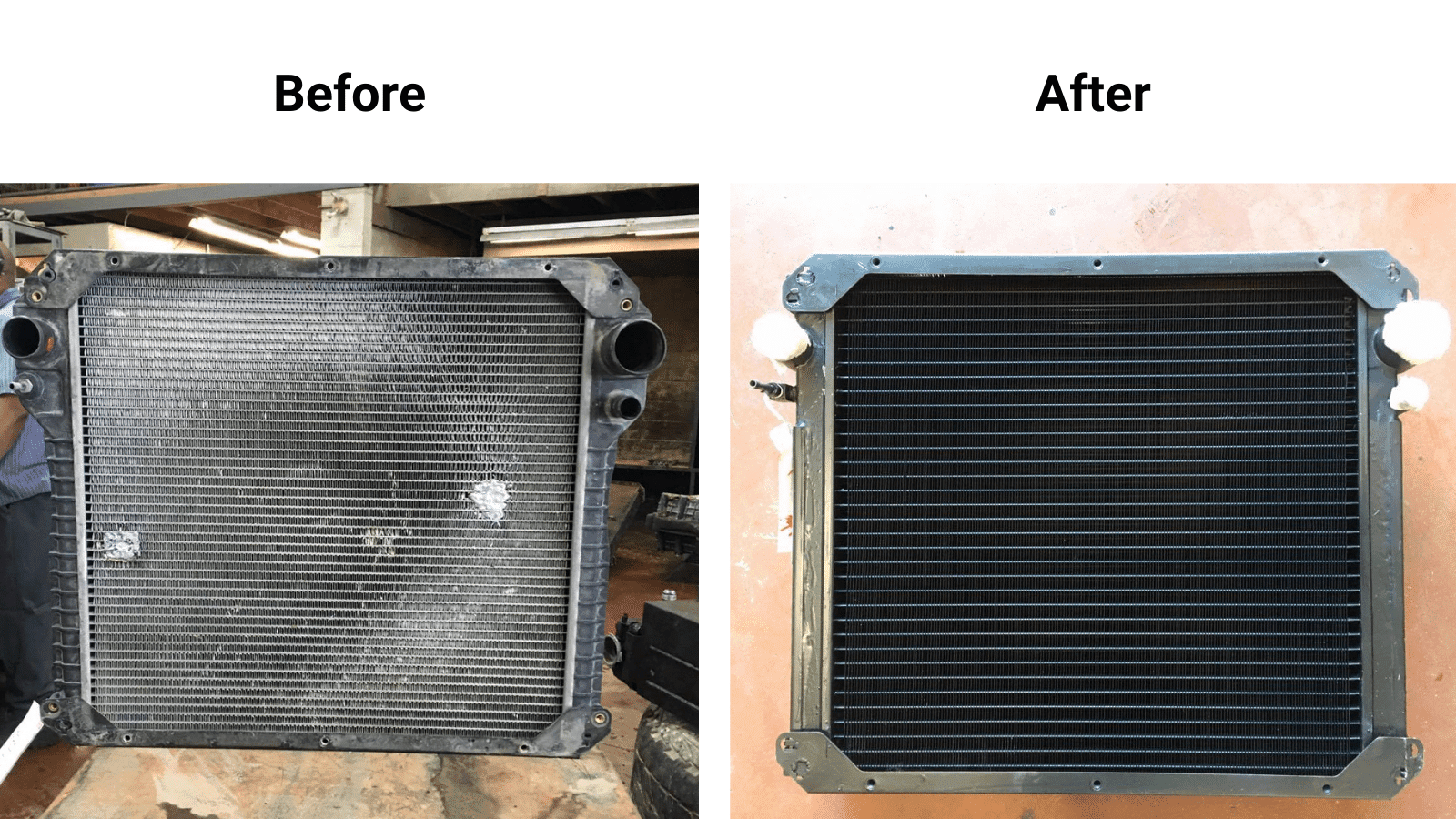
Cutting and Crimping Tubes Causes More Damage
In a roadside emergency, some attempt to cut and crimp a burst tube shut. This is a fatal mistake. Crimping reduces the radiator’s cooling surface area, disrupts flow dynamics, and increases system pressure. That extra stress can blow out other weak tubes or damage the water pump. It also risks crushing adjacent fins, further reducing efficiency. Never crimp tubes. It is a shortcut to total system failure.
Pepper and Stop-Leak Create Blockages
Adding pepper, eggs, or chemical stop-leak to seal pinhole leaks is outdated and dangerous. These materials circulate through the engine, potentially clogging the heater core, thermostat, or water pump. They do not stop corrosion; they mask it. Because they wash away over time, you will keep adding more, creating a sludge bomb inside your cooling system. These methods are temporary at best, destructive at worst.
Patch Welding Aluminum Rarely Holds
While TIG welding can fix small aluminum leaks, success depends on the metal’s condition. If the area shows signs of thermal fatigue or micro-cracking, the weld will likely fail. The heat from welding can also warp thin aluminum fins or weaken nearby joints. Unless performed by a certified technician with fatigue-free metal, avoid welding aluminum radiators. Opt for re-coring or replacement instead.
Repair Copper-Brass Radiators the Right Way
Follow the 9-Step Restoration Process
Repairing a copper-brass radiator is a full rebuild, not a patch job. Only trained technicians should perform this due to hazardous chemicals and high-heat soldering.
- Inspect for Damage: Check for cracked tanks, bent fins, or excessive corrosion. If tanks are compromised, replacement is better.
- Chemical Strip and Flush: Submerge the radiator in a chemical bath to remove paint, sludge, and internal debris. Warning: Use proper ventilation and PPE.
- Remove Tanks: Cut or unsolder the tanks to access the core.
- Strip Old Solder: Use heat and tools to remove all solder from headers and tube joints.
- Rod Out Every Tube: Push a cleaning rod through each tube to clear solder bloom, rust, and scale. This restores full flow.
- Clean and Prep Joints: Wire-brush headers and tube ends to bare metal for strong solder adhesion.
- Re-solder All Connections: Apply new solder evenly to ensure leak-proof, durable joints. Requires precision to avoid cold joints.
- Reattach and Seal Tanks: Re-solder tanks securely and test for alignment.
- Pressure Test and Paint: Test under operating pressure (15–20 psi). If leak-free, coat with high-heat, non-insulating paint to prevent copper oxidation without blocking heat transfer.
When to Replace vs. Re-Core
Replace If Tanks Are Damaged
If the radiator’s plastic or metal tanks are cracked, warped, or leaking, replacement is the only safe option. Tanks endure constant pressure and vibration. Any structural flaw will eventually fail. Even re-soldered tanks on copper units may not hold if the metal is fatigued.
Re-Core to Save Costs on Aluminum Units
Re-coring is ideal when the core is damaged but tanks are in good condition. A new aluminum or copper-brass core is installed into the original tanks, cutting replacement costs by up to 50%. This is common for older trucks where OEM radiators are expensive or obsolete.
Replacement Timeline: 80K Miles or 10 Years
As a rule of thumb, replace your radiator every 80,000 miles or 10 years, even if it seems functional. Coolant degrades over time, and internal corrosion can go undetected until failure. Proactive replacement prevents roadside breakdowns and engine damage.
Prevent Failure with Smart Maintenance

Service Every Two Years
Schedule a professional radiator inspection every two years. This includes:
– Coolant pH and freeze-point testing
– Hose and clamp inspection
– Fan and thermostat operation check
– Visual assessment of fins and tanks
Catch issues before they escalate.
Change Coolant on Schedule
Coolant does not last forever. While it retains heat-transfer ability, corrosion inhibitors break down after 2–3 years. Sludge and rust accumulate, leading to blockages and solder bloom in copper units. Follow OEM intervals, typically every 30,000–50,000 miles, and always use the correct coolant type (OAT, HOAT, etc.).
Clean Fins and Prevent Debris Buildup
Truck radiators face constant road debris. Bent or clogged fins reduce airflow and cooling efficiency. Use a fin comb to straighten bent fins and low-pressure water to flush out dirt. Never use high-pressure sprayers. They can destroy delicate aluminum fins.
Top Truck Radiator Repair Shops by Region
Commercial Radiator – Fresno, CA
Serving the Central Valley since 1946, Commercial Radiator specializes in truck and fleet radiator repair. They offer same-day pickup, repair, and delivery, making them ideal for fleet managers needing fast turnaround. Services include DPF cleaning and full cooling system diagnostics. Their expert team handles everything from pickups to heavy-duty tractors.
- Location: 3342 S. Elm Ave, Fresno, CA
- Service Area: Fresno, Kings, Madera, Tulare Counties
- Key Perk: Fleet customer rates and rapid service
Auburn Radiator – Auburn, CA
Family-owned since 1982, Auburn Radiator has serviced over 50,000 units under owner Chris Rieger’s 40+ years of experience. They offer custom radiator fabrication, heater core repair, and A/C services. Stocking brands like VistaPro and Performance, they can source most truck cores within 24 hours.
- Location: 217 Sutherland Dr, Auburn, CA 95603
- Hours: Mon–Fri, 8:00 AM – 5:00 PM
- Contact: (530) 823-2285
- Best For: RVs, industrial equipment, and hard-to-find parts
Pankey’s Radiator Repair – Hayward, CA
Covering the entire San Francisco Bay Area, Pankey’s is known for transparency and customer trust. They specialize in import and domestic truck radiators, offering full repair, maintenance, and replacement. Their philosophy is simple: treat every truck like it is their own.
- Location: 21805 Foothill Blvd, Hayward, CA 94541
- Contact: (510) 581-6804
- Best For: Owner-operators seeking honest, no-pressure service
TLC Auto and Truck – Long Island, NY
A certified repair center since 1991, TLC offers a 24,000-mile / 24-month warranty on all radiator work. They emphasize family-friendly service and comprehensive cooling system checks, ensuring every repair includes a full diagnostic.
- Location: Long Island, NY
- Warranty: 24k miles / 24 months
- Best For: Reliable, long-term repairs with peace of mind
Pacific Radiator Service – Fresno, CA
Focused on wholesale and repair, Pacific Radiator handles truck, automotive, and industrial units. They rebuild and restore radiators with attention to detail.
- Location: 2060 S Orange Ave, Fresno, CA 93702
- Hours: Mon–Fri, 8:00 AM – 5:00 PM
- Contact: (559) 498-0706
Maximize Value with Smart Repair Choices
Fleet Managers: Demand Fast Turnaround
For fleets, downtime equals lost revenue. Choose shops offering same-day service, pickup/delivery, and volume discounts. Commercial Radiator and Pankey’s both support large operations with dedicated fleet programs.
Owner-Operators: Avoid Being Overcharged
Many truckers fear being taken advantage of. Look for shops that explain the problem clearly, show you the damaged part, and offer repair versus replace options. Pankey’s and Auburn Radiator are known for transparency and fair pricing.
Industrial Users: Need Custom Solutions
Agricultural, construction, and industrial equipment often use non-standard radiators. Auburn Radiator and TLC offer custom fabrication, ensuring your heavy machinery stays cool under load.
Frequently Asked Questions About Truck Radiator Repair
What Are the First Signs of a Failing Truck Radiator?
The most common signs include engine overheating, visible coolant leaks (green, orange, or yellow puddles), low coolant levels with no visible leak, discolored or sludgy coolant, loss of cabin heat, and steam or sweet odors from the engine bay. If you notice any of these, shut down and inspect immediately.
Can an Aluminum Truck Radiator Be Repaired?
Aluminum radiators are rarely repairable due to metal fatigue from repeated heating and cooling cycles. Patch welding usually fails because the surrounding metal is already weakened. If tanks are intact, re-coring is a cost-effective option. Otherwise, full replacement is required.
How Often Should Truck Coolant Be Changed?
Coolant should be changed every 30,000 to 50,000 miles, or every 2 to 3 years. While coolant retains its heat-transfer ability, corrosion inhibitors break down over time, leading to sludge, rust, and solder bloom in copper-brass units.
What Is Solder Bloom and Why Is It a Problem?
Solder bloom is a buildup of oxidized solder at tube inlets caused by electrochemical reactions between dissimilar metals in copper-brass radiators. It restricts coolant flow, increases pressure, and can cause tubes to burst. Regular cleaning and maintenance are required to prevent it.
When Should I Re-Core Instead of Replace?
Re-core when the radiator’s tanks are in good condition but the core is damaged. This is common with aluminum units and can cut replacement costs by up to 50%. If tanks are cracked or corroded, replacement is the only safe option.
How Long Does a Truck Radiator Typically Last?
A well-maintained radiator typically lasts around 80,000 miles or 10 years. Poor maintenance, such as failing to change coolant, can lead to premature failure from corrosion and sludge buildup.
Key Takeaways for Truck Radiator Repair Success
A failed radiator can destroy a $30,000 engine, but a $500 repair or $1,200 replacement can prevent it. Know your radiator type before deciding on repairs. Aluminum units usually require re-coring or full replacement, while copper-brass units can be fully restored through a 9-step rebuild process.
Avoid dangerous quick fixes like tube crimping, pepper, or stop-leak products. These methods mask symptoms and create larger problems. Schedule professional inspections every two years and change coolant on schedule to extend radiator life.
Your next step: locate a certified radiator shop in your region, request a full diagnostic, and ask whether repair, re-core, or replacement fits your situation. Acting early protects your engine and your bottom line.