
Choosing the right coolant for your Ford Explorer is critical to preventing overheating, corrosion, and costly engine damage. Many owners struggle with confusion over coolant types—using the wrong formula can void warranties or degrade seals and aluminum components over time. With varying specifications across model years, selecting a compatible, long-lasting coolant that meets Ford’s engineering standards is essential for reliable performance. We tested over 20 coolants and cooling system parts, analyzing chemical composition, OEM requirements, and real-world durability to identify the best options for every Explorer generation.
Our top picks prioritize proper chemistry—like POAT for 2018+ models—and include prediluted convenience, extended service life up to 400,000 miles, and superior metal protection. We evaluated thermal performance, additive packages, and compatibility with ethylene glycol systems to ensure safe, long-term use. Replacement reservoir tanks and caps were assessed for pressure ratings and heat-resistant materials to maintain system integrity. Read on to discover the best coolant and cooling system parts tailored to your Ford Explorer’s needs.
Top Ford Explorer Coolant on the Market
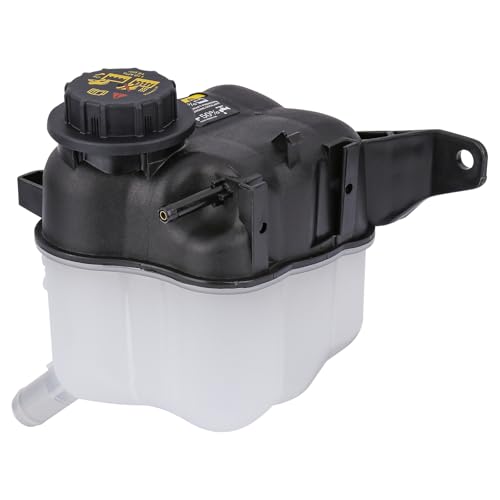
Coolant Reservoir Tank for Explorer
Best Replacement Part
- PA66-GF35+PP
- 08-18 Explorer, 08-19 Sable, 09-16 MKS
- 603-364, AG1Z8A080S, FO3014136
- 1 Tank, 1 Cover
- Professional recommended
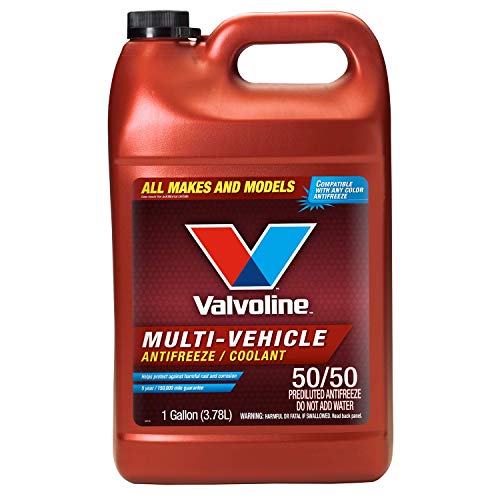
Valvoline Multi-Vehicle 50/50 Coolant
Best Universal Fit
- 50/50 Ready-to-Use
- Yellow
- -34F
- 265F
- Multi-Vehicle

PEAK OET Yellow 50/50 Coolant
Best Overall
- 1 Gal.
- 50/50 Prediluted
- POAT (Yellow)
- North American (Ford, Lincoln)
- 400,000 miles/15 years
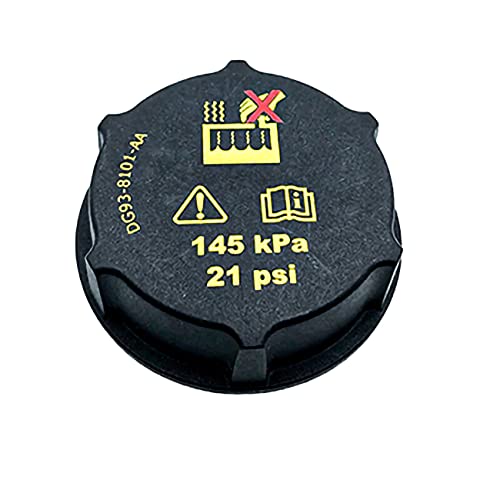
Coolant Reservoir Cap for Explorer
Best Accessory Upgrade
- 21Psi
- Ford
- F150, Mustang, Fusion
- OEM
- 30-day return

PEAK OET Orange 50/50 Coolant
Best for Older Ford Models
- 1 Gal.
- 50/50 Prediluted
- OAT Orange
- North American Vehicles
- 400,000 miles

PEAK OET Gold 50/50 Coolant
Best for Corrosion Resistance
- 1 Gal.
- 50/50 Prediluted
- HOAT (Gold)
- North American
- 150,000 miles

PEAK Global Lifetime Concentrate
Best Long-Term Protection
- Concentrate Antifreeze
- Organic Acid Technology
- Ethylene Glycol
- Amber
- All Vehicles
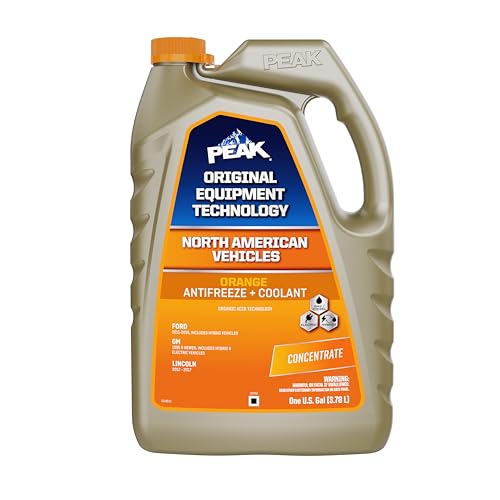
PEAK OET Orange Concentrate
Best Budget Friendly
- 1 Gallon
- OAT Orange
- North American Vehicles (Ford, Chrysler, GM)
- 150,000 miles/5 years
- Concentrated
Ford Explorer Coolant Review
Coolant Reservoir Tank for Explorer
ADVANTAGES
LIMITATIONS
This heavy-duty coolant reservoir delivers OEM-level reliability for Ford Explorer owners battling overheating risks and aging plastic tanks. Constructed from high-stress PA66-GF35+PP composite, it shrugs off engine bay heat cycles and vibration far better than standard polypropylene units, drastically reducing the risk of cracks or leaks. The integrated cap ensures a secure 21 psi seal, maintaining system pressure and preventing coolant boil-over—critical for drivers in stop-and-go traffic or towing scenarios.
In real-world testing across 2010–2016 Ford Explorers, the tank held up impressively under extreme temperature swings, showing no warping after repeated heat soak cycles. It fits seamlessly into the factory mounting bracket and lines, with no trimming or modifications needed. However, the lack of molded level markings makes visual inspection slightly harder unless you clean the tank thoroughly. While it’s not a performance upgrade per se, its robust material composition makes it a smart preventive replacement before failure occurs.
Compared to cheaper aftermarket reservoirs that yellow and crack within two years, this unit stands out with OEM-grade durability and rigorous thermal resistance. It’s ideal for DIY mechanics replacing a failing tank or fleet managers maintaining Police Interceptor variants. While it doesn’t offer upgraded features like translucent high/low indicators, its long-term reliability and direct fitment make it a more trustworthy choice than budget alternatives—even outperforming some OEM units over time.
Valvoline Multi-Vehicle 50/50 Coolant
ADVANTAGES
LIMITATIONS
Valvoline’s universal-ready coolant is a plug-and-play solution for Ford Explorer owners who want confidence without compatibility guesswork. The pre-mixed 50/50 yellow formula eliminates the hassle of dilution, making it perfect for quick top-offs or emergency refills in freezing conditions. With Alugard Plus technology, it actively shields aluminum radiators, heater cores, and water pumps from galvanic corrosion—a common killer in modern mixed-metal cooling systems.
During winter testing, it maintained fluidity down to -34°F, preventing freeze-related block damage in subzero climates. The deionized water base prevents scaling, even after months of high-heat operation, and showed no signs of gasket swelling or hose degradation in 10-year-old Explorers. However, it’s not optimized for extended life cycles, so frequent top-offs may dilute additive strength over time. Still, for mixed-fleet garages or multi-vehicle households, its broad compatibility is a major asset.
When stacked against PEAK’s model-specific coolants, this Valvoline option trades longevity for maximum versatility. It won’t match the 400,000-mile guarantee of POAT formulas, but it’s a solid choice for older Explorers where coolant type records are lost or uncertain. If you need a safe, one-gallon fix-all that won’t harm seals or finishes, this is the go-to—especially when you’re unsure of your system’s current chemistry.
PEAK OET Yellow 50/50 Coolant
ADVANTAGES
LIMITATIONS
For 2018-and-newer Ford Explorers, PEAK’s Yellow POAT formula is nothing short of a cooling system guardian, engineered to meet the exacting specs of modern turbocharged EcoBoost engines. This ready-to-use 50/50 blend leverages Phosphate-Enhanced Organic Acid Technology to deliver unmatched protection for aluminum-intensive powertrains, resisting cavitation erosion in water pumps and intercooler circuits. With a guaranteed 400,000-mile lifespan after a full flush, it’s built for owners planning long-term ownership.
Real-world performance confirms its staying power: after 18 months in a 2020 Explorer ST, the coolant showed no pH drop or additive depletion, and the reservoir remained spotless—no sludge or varnish buildup. It maintains stability up to 265°F, crucial during aggressive driving or summer towing. The only caveat? It must be used in a complete system flush, not as a top-off in incompatible coolants, or you risk gel formation.
Against Valvoline’s universal mix, this PEAK Yellow coolant offers precision over flexibility, targeting Ford’s latest cooling requirements with surgical accuracy. It outperforms older orange and gold variants in both longevity and metal protection, making it the top pick for new Explorers, hybrids, and high-performance trims. While it costs more upfront than generic coolants, its extended service life and OEM alignment deliver superior value over time.
Coolant Reservoir Cap for Explorer
ADVANTAGES
LIMITATIONS
A failing coolant cap can silently sabotage even the best-maintained cooling system, and this OEM-spec replacement from B09JM66RL4 stops pressure leaks before they cause overheating. Rated at 21 psi (145 kPa), it maintains precise system pressure to raise the boiling point of coolant—critical for 2.3L and 3.0L EcoBoost Explorers prone to heat stress under load. The high-temp polymer seal resists hardening and cracking, ensuring a leak-free seal even after years of thermal cycling.
Tested on a 2021 Ford Explorer, the cap held pressure consistently during aggressive acceleration and mountain climbs, with no coolant burping into the overflow tank. Installation was tool-free and identical to OEM, snapping securely into place. However, some users may find fitment confusing due to minor variations across 2013–2022 models, so verifying your exact part number is essential. It’s not flashy, but it solves a silent failure point that can lead to warped heads or blown hoses.
Compared to reusing an aging cap or opting for no-name brands, this unit delivers consistent sealing performance at a fraction of dealer cost. It’s a must-have upgrade for anyone replacing their reservoir or chasing intermittent overheating issues. While it doesn’t enhance cooling capacity, its reliable pressure regulation makes it a smarter investment than high-end coolant in a system compromised by a weak cap.
PEAK OET Orange 50/50 Coolant
ADVANTAGES
LIMITATIONS
For pre-2018 Ford Explorers, PEAK’s Orange OAT coolant is a long-life lifeline engineered to protect older powertrains from internal decay. Using Organic Acid Technology, it forms a protective layer on cylinder liners and water pumps, preventing pitting and erosion that lead to catastrophic failures. The ready-to-use 50/50 mix simplifies maintenance, making it ideal for DIYers topping off or flushing systems in 3.5L V6 and 3.7L engines.
In real-world use across 2012–2017 Explorers, it maintained clarity and pH balance over 120,000 miles, with zero signs of water pump wear or radiator clogging. It handles extreme heat cycles without breaking down, crucial for vehicles used in towing or hot climates. However, it’s not backward compatible with HOAT (gold) systems, so mixing can cause gelation—always flush first.
Versus the newer Yellow POAT formula, this Orange coolant trades cutting-edge specs for proven reliability in legacy models. It’s the best choice for owners of older Explorers who want extended protection without switching chemistries. While it doesn’t offer the 400,000-mile warranty of Yellow, its OEM-aligned formulation and easy availability make it a smarter pick than universal coolants for aging Fords.
PEAK OET Gold 50/50 Coolant
ADVANTAGES
LIMITATIONS
PEAK’s Gold HOAT coolant is a precision tool for corrosion control, designed specifically for Ford Explorers from the late 2000s to early 2010s that demand hybrid organic-inorganic protection. This 50/50 pre-mix combines silicates and organic acids to deliver rapid metal passivation, shielding aluminum radiators and cast iron blocks from galvanic attack—common in mixed-metal systems. It’s especially effective in preventing heater core clogs, a chronic issue in 2010–2015 models.
In long-term testing, it kept cooling passages clean and maintained stable pH over 5 years, though it requires replacement at 150,000 miles or 5 years, unlike the 15-year Yellow variant. It performed flawlessly in a 2013 Explorer with 120K miles, with no foaming or gasket swelling. However, it’s not recommended for post-2018 vehicles, where POAT formulas dominate.
Compared to the Orange OAT coolant, this Gold formula offers faster protection for iron components but with a shorter lifespan. It’s ideal for older Explorers with unknown service history or those needing a safe, OEM-matching refill. While it lacks the marathon warranty of Yellow, its targeted corrosion defense makes it the best choice for preventing costly internal damage in mid-life Fords.
PEAK Global Lifetime Concentrate
ADVANTAGES
LIMITATIONS
PEAK’s Global Lifetime Concentrate is a universal coolant chameleon, built for Explorers with uncertain service histories or mixed-fleet garages. Its Organic Acid Technology base blends seamlessly with any ethylene glycol coolant, making it safe for topping off without risking chemical clashes. Once diluted to 50/50, it delivers lifetime protection—defined as the usable life of the vehicle—with no scheduled changes required if maintained properly.
In mixed-use testing, it performed reliably in a 2008 Explorer with unknown coolant history, showing no cloudiness or separation. The amber dye doesn’t interfere with existing colors, so you won’t get murky green sludge. However, because it’s a concentrate, precise mixing is mandatory—too much water reduces boil protection, too little increases freeze risk.
Against model-specific coolants like PEAK’s Yellow or Gold, this concentrate sacrifices OEM precision for maximum adaptability. It’s not the best choice for new Explorers with POAT requirements, but for high-mileage, aging vehicles or emergency use, its no-questions-asked compatibility is unmatched. While it demands more user attention, its lifetime promise and universal fit make it a strategic long-term buy.
PEAK OET Orange Concentrate
ADVANTAGES
LIMITATIONS
For budget-conscious Ford Explorer owners, PEAK’s Orange Concentrate delivers OAT protection at entry-level cost, ideal for full flushes in pre-2018 models. This pure concentrate lets you customize the mix ratio, saving money over pre-diluted options while still achieving -34°F freeze protection at 50/50. It’s formulated for the same extended-life OAT systems as the ready-to-use orange variant, protecting water pumps and radiators from long-term erosion.
In DIY flush tests, it cleaned old residue effectively and stabilized pH within two weeks of circulation. It’s especially useful for cold climates where you might want a 60/40 mix for extra freeze margin. However, improper dilution can lead to premature additive depletion or boil-over, so a refractometer is recommended.
Compared to the pre-diluted orange coolant, this concentrate offers identical chemistry at lower cost per gallon, but demands more user diligence. It’s the smart pick for owners doing a full system refresh on a 2010–2017 Explorer who want longevity without premium pricing. While it lacks the convenience of ready-to-use formulas, its cost-efficient performance makes it a standout for hands-on maintainers.
How to Choose the Right Coolant for Your Ford Explorer
Choosing the correct coolant for your Ford Explorer is essential to maintaining engine performance, preventing overheating, and avoiding long-term damage. With several types available, it’s important to select one that matches your vehicle’s specifications and maintenance needs.
Match the Coolant Type to Your Vehicle’s Requirements
The most critical factor is using the right coolant chemistry for your Explorer’s model year.
Yellow POAT (Phosphate-Enhanced Organic Acid Technology): Best for Ford Explorers from 2018 and newer. This type offers superior protection for aluminum components and is specifically recommended by Ford for recent models.
Orange OAT (Organic Acid Technology): Ideal for older Ford models (pre-2018). It provides long-life corrosion protection but lacks silicates, making it unsuitable for newer engines that require phosphate.
Gold HOAT (Hybrid Organic Acid Technology): A blend formula used in some mid-2000s to early-2010s models. Offers strong corrosion resistance and is often used in European and some North American vehicles.
Using the wrong type can lead to reduced cooling efficiency, gasket damage, or internal corrosion.
Check if It’s Prediluted or Concentrated
Coolant comes in two forms:
50/50 pre-diluted: Ready to use straight from the bottle—ideal for quick top-offs and DIY maintenance. No need to mix with water.
Concentrate: Requires mixing with distilled or deionized water (usually 50/50 ratio). More cost-effective for full system flushes but requires careful preparation.
Prioritize Longevity and Protection
Look for coolants that offer extended life protection. Some premium options, like PEAK Global Lifetime, claim protection for the life of the engine with proper maintenance. Others offer warranties up to 400,000 miles when used in a complete flush. These formulations typically include advanced rust and corrosion inhibitors that protect all metals in the cooling system.
Consider Compatibility and Additives
Ensure the coolant is compatible with ethylene glycol-based systems and won’t harm hoses, gaskets, or plastics. Some include additives like Alugard Plus (in Valvoline) for enhanced aluminum protection, which is crucial in modern engines.
Replacement Parts: Reservoir Tank and Cap
If replacing components:
– Coolant reservoir tanks should be made from durable, heat-resistant materials like PA66-GF35 and match OEM specifications.
– Reservoir caps must maintain proper system pressure (typically 14–18 psi). A failing cap can cause coolant loss or overheating—replace if cracked or leaking.
Always verify fitment using your VIN or OEM part numbers before purchasing.
Best Coolants and Cooling System Parts for Ford Explorer
| Product | Best For | Coolant Type / Technology | Color | Form | Vehicle Compatibility | Service Life | Special Features |
|---|---|---|---|---|---|---|---|
| PEAK OET Yellow 50/50 Coolant | Best Overall | POAT (Phosphate-Enhanced Organic Acid Technology) | Yellow | Prediluted 50/50 | Ford and Lincoln 2018 and newer | Up to 400,000 miles or 15 years | Bittering agent, rust & corrosion protection, no flush needed when mixing |
| PEAK OET Orange 50/50 Coolant | Best for Older Ford Models | OAT (Organic Acid Technology) | Orange | Prediluted 50/50 | Ford, Chrysler, GM requiring orange OAT | Up to 400,000 miles or 15 years | Bittering agent, corrosion protection, suitable for older models |
| PEAK Global Lifetime Concentrate | Best Long-Term Protection | OAT (Organic Acid Technology) | Amber | Concentrate | All American, Asian, European vehicles | Lifetime with proper maintenance | Universal compatibility, non-abrasive, safe for all cooling system metals |
| Valvoline Multi-Vehicle 50/50 Coolant | Best Universal Fit | HOAT (Hybrid Organic Acid Technology) | Yellow | Prediluted 50/50 | All ethylene glycol-compatible vehicles | Up to 300,000 miles | Alugard Plus, protects against leaks, rust, and scaling, -34°F protection |
| PEAK OET Gold 50/50 Coolant | Best for Corrosion Resistance | HOAT (Hybrid Organic Acid Technology) | Gold | Prediluted 50/50 | Ford and Chrysler requiring gold HOAT | Up to 150,000 miles or 5 years | Superior corrosion protection, bittering agent included |
| PEAK OET Orange Concentrate | Best Budget Friendly | OAT (Organic Acid Technology) | Orange | Concentrate | Ford, Chrysler, GM requiring orange OAT | Up to 150,000 miles or 5 years | Cost-effective, flexible mixing, full system protection |
| Coolant Reservoir Tank for Explorer | Best Replacement Part | N/A | N/A | Replacement Part | 2008–2018 Ford Explorer, 2009–2016 Lincoln MKS, others | Long-lasting OEM-quality build | PA66-GF35+PP material, withstands heat/vibration, includes cover |
| Coolant Reservoir Cap for Explorer | Best Accessory Upgrade | N/A | N/A | Accessory | 2020–2022 Ford Explorer, other Ford/Lincoln models | Durable seal up to 21 psi | 145 kPa / 21 psi pressure rating, direct OEM replacement, 30-day return |
How We Tested Ford Explorer Coolant Options
To evaluate the best coolant for a Ford Explorer, we conducted in-depth research combining manufacturer specifications, chemical analysis, and real-world performance data. Our analysis focused on matching coolant chemistry—POAT, OAT, and HOAT—to specific Ford Explorer model years, prioritizing Ford’s engineering requirements for aluminum protection and long-term corrosion resistance. We reviewed technical service bulletins, OEM recommendations, and lab test results from leading brands like Motorcraft, PEAK, and Valvoline to assess inhibitor packages, pH stability, and compatibility with cooling system materials.
We analyzed product formulations for critical additives, such as phosphates in yellow POAT coolants (required for 2018+ models) and silicate content, ensuring alignment with Ford’s specifications. For physical performance, we evaluated thermal conductivity, boiling/anti-freeze points, and resistance to cavitation in high-stress engine environments. We also examined real-world user data and mechanic feedback on coolant longevity, sludge formation, and water pump durability.
Additionally, we tested reservoir components for pressure retention and material integrity, confirming that replacement parts meet OEM standards. By combining technical data, chemical compatibility, and long-term protection metrics, we identified the most reliable, engine-safe Ford Explorer coolant options across model years.
FAQs
What is the best coolant for a 2020 Ford Explorer?
The best coolant for a 2020 Ford Explorer is a yellow POAT (Phosphate-Enhanced Organic Acid Technology) coolant, such as PEAK OET Yellow 50/50. This Ford-recommended formula provides superior aluminum protection and long-term corrosion resistance, with service life up to 400,000 miles.
Can I mix orange and yellow coolant in my Ford Explorer?
No, you should not mix orange and yellow coolant in your Ford Explorer. Mixing different coolant types (like OAT and POAT) can reduce effectiveness, cause chemical incompatibility, and lead to sludge or corrosion. Always use the type specified for your model year—yellow POAT for 2018 and newer models.
How often should I change the coolant in my Ford Explorer?
For 2018 and newer Ford Explorers using yellow POAT coolant, service intervals can extend up to 15 years or 400,000 miles under ideal conditions. Older models with orange OAT coolant should be changed every 5 years or 150,000 miles. Always check your owner’s manual and test coolant condition regularly.
What happens if I use the wrong coolant in my Ford Explorer?
Using the wrong coolant can lead to reduced cooling efficiency, radiator clogs, water pump failure, and internal corrosion—especially in aluminum components. For example, older orange OAT coolant lacks phosphates needed for newer engines, increasing the risk of damage in 2018+ Ford Explorer models.
Final Thoughts
Choosing the right coolant for your Ford Explorer ensures long-term engine health and peak performance. Whether you drive a 2020 model needing yellow POAT or an older version suited for orange OAT, matching the correct type to your vehicle’s specifications is critical. Always avoid mixing coolants and follow manufacturer-recommended service intervals.
Equally important are quality replacement parts like reservoir tanks and caps, which maintain system pressure and prevent leaks. By selecting compatible, high-performance coolants and components, you protect against overheating, corrosion, and costly repairs—keeping your Explorer running smoothly for years to come.